Xylitol Toxicity in Dogs: Dangers and Emergency Response
Learn how xylitol sweetener poisons dogs, recognize critical symptoms, and take immediate action to save your pet's life.
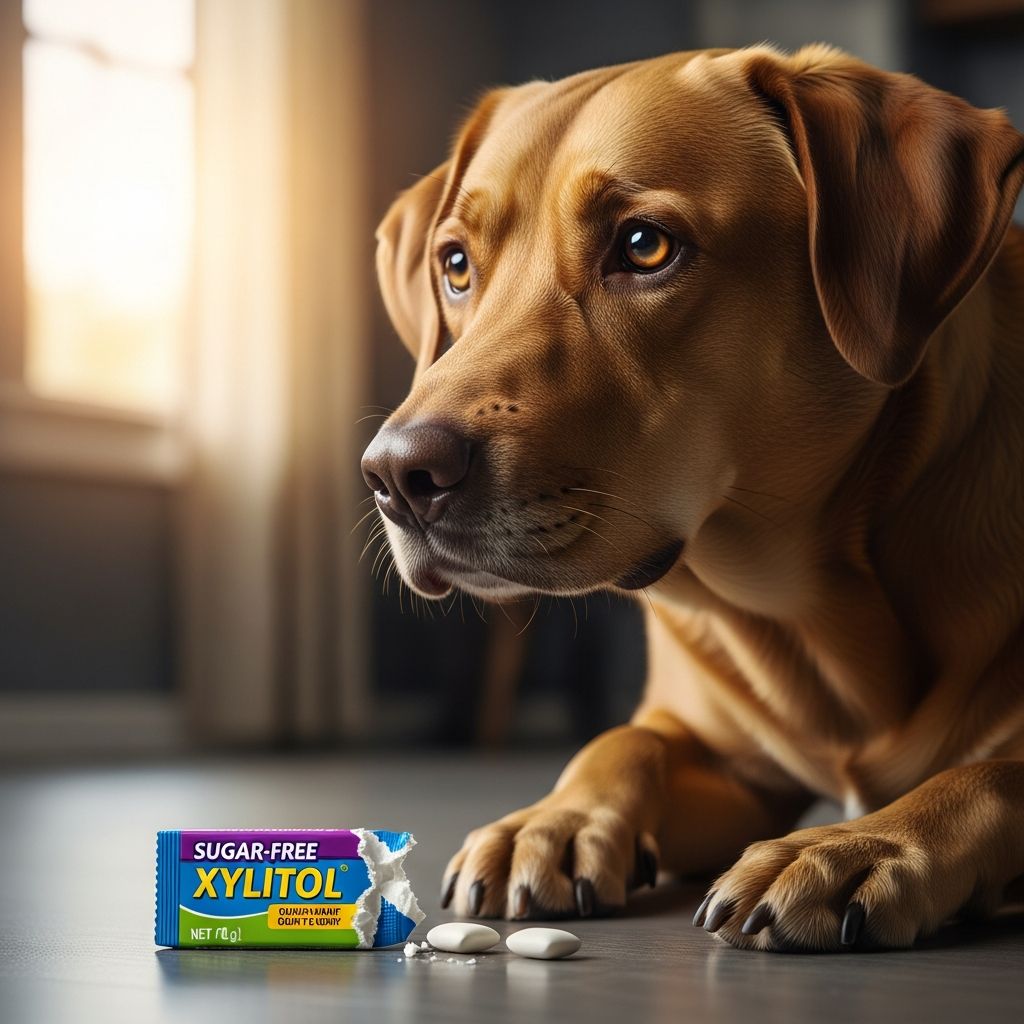
Xylitol, a naturally occurring sugar alcohol commonly used as a sweetener in human food and dental products, represents one of the most significant toxins that pet owners encounter in their homes. While this substance has gained popularity in sugar-free formulations due to its dental benefits for humans, it poses an extreme danger to dogs that can result in rapid deterioration of health and potentially death within a matter of hours. The compound bypasses the normal digestive regulatory mechanisms in canines, triggering a cascade of severe physiological responses that affect blood glucose levels and liver function.
The Metabolic Mechanism Behind Xylitol Poisoning
Understanding why xylitol proves so hazardous to dogs requires examining how the substance interacts with canine physiology. When dogs consume xylitol, the compound enters their bloodstream rapidly and differs fundamentally from how their bodies process other sweeteners or nutrients. The pancreas, which normally responds to glucose intake, misinterprets xylitol as a sugar signal and releases massive quantities of insulin in response. This uncontrolled insulin surge forces the body to process blood glucose at an accelerated rate, resulting in profound hypoglycemia—dangerously low blood sugar levels—that develops with alarming speed.
The timeline for this metabolic crisis is particularly concerning. In many cases, symptoms of hypoglycemia can manifest within 30 minutes to 2 hours following ingestion. Some products containing xylitol, such as certain chewing gum formulations, slow the absorption rate, which can delay symptom onset to 12 to 18 hours. This delayed presentation creates additional danger because owners may not initially connect their dog’s illness to a specific exposure event.
Beyond the acute hypoglycemic crisis, xylitol triggers hepatotoxic effects—damage to liver tissue—that represents a secondary but equally devastating consequence of poisoning. Higher doses of xylitol stimulate increased liver enzyme production within 12 to 48 hours of ingestion, potentially progressing to complete liver failure within 24 to 48 hours. Unlike the hypoglycemic phase, not all dogs experiencing liver injury exhibit hypoglycemia symptoms first, making the condition particularly insidious.
Recognizing the Clinical Presentation of Xylitol Toxicity
The symptoms of xylitol poisoning progress in identifiable stages, beginning with manifestations of acute hypoglycemia. Pet owners who witness these early warning signs and seek immediate veterinary intervention significantly improve their dog’s survival prospects.
Initial Hypoglycemic Symptoms
The first clinical signs typically emerge as the dog’s blood glucose plummets:
- Vomiting, often the initial symptom noticed by owners
- General weakness and reduced physical activity
- Lethargy and apparent depression
- Difficulty maintaining balance or unsteady gait (ataxia)
- Tremors or involuntary muscle contractions
- Visible confusion or disorientation
These early signs represent the dog’s body attempting to manage severe hypoglycemia. Vomiting typically appears first, with other neurological symptoms following as the blood glucose continues to decline. The progression from initial symptoms to more severe manifestations can occur within minutes, necessitating rapid intervention.
Advanced and Critical Symptoms
Without prompt treatment, xylitol toxicity progresses to life-threatening conditions:
- Inability to stand or walk (complete collapse)
- Seizures resulting from severe hypoglycemia affecting neurological function
- Loss of consciousness or coma
- Rapid heart rate (tachycardia)
- Breathing difficulty
Hepatic Damage Indicators
Dogs that survive the acute hypoglycemic phase but experience significant liver damage may develop additional symptoms that can appear days after initial poisoning:
- Jaundice (yellowing of gums, eyes, and skin)
- Prolonged vomiting or anorexia
- Spontaneous bleeding or severe bruising without apparent injury
- Diarrhea or bloody stools
- Abdominal pain or distension
The delayed nature of liver-related symptoms means owners should maintain heightened vigilance for several days following suspected xylitol exposure, even if the dog appears to recover from the acute crisis.
Which Products Contain This Hidden Danger
Xylitol appears in numerous household items that pet owners may not immediately associate with toxicity risks. Common products containing xylitol include sugar-free chewing gums and mints, sugar-free baked goods and desserts, dental products including toothpastes and mouthwashes, certain peanut butter brands marketed as sugar-free, sugar-free candies and lollipops, and some pharmaceutical preparations including cough syrups and multivitamins. The ingredient frequently appears in foods marketed as diabetic-friendly or weight-management products. Pet owners should carefully examine product labels before allowing dogs access to any human food items or supplements, as formulations change regularly and xylitol content may not always be prominently displayed.
Emergency Response and Veterinary Treatment Protocols
Immediate action proves critical when xylitol ingestion is suspected. The timeline between exposure and treatment initiation directly correlates with treatment success and survival likelihood.
Immediate Steps for Pet Owners
Upon suspecting xylitol ingestion, owners should contact their veterinarian or the Pet Poison Helpline immediately. Critical information to communicate includes the time of exposure, the product involved, the estimated quantity ingested, and the dog’s current weight and symptoms. Pet owners should never attempt to induce vomiting at home, as this can sometimes worsen outcomes in xylitol toxicity cases. Vomiting should only be induced under direct veterinary supervision when the dog remains clinically normal.
Veterinary Treatment Approaches
Upon arrival at a veterinary facility, treatment focuses on multiple simultaneous interventions:
| Treatment Component | Purpose | Details |
|---|---|---|
| Gastrointestinal Decontamination | Reduce absorption | Induced vomiting in clinically normal dogs; activated charcoal administration |
| Intravenous Dextrose Administration | Restore blood glucose | Given to all dogs with ingested doses exceeding 500 mg/kg (227 mg/lb), even if currently normoglycemic |
| Fluid Support Therapy | Maintain hydration and organ perfusion | Continuous IV fluid administration throughout hospitalization |
| Blood Glucose Monitoring | Track metabolic status | Frequent blood glucose measurements throughout treatment phase |
| Liver Enzyme Monitoring | Detect hepatic damage | Serial blood work evaluating liver function markers |
| Hepatoprotective Medications | Support liver recovery | N-acetylcysteine, S-adenosylmethionine, or silymarin administration |
| Coagulopathy Management | Prevent bleeding complications | Vitamin K administration; blood transfusions if severe clotting dysfunction develops |
Dogs typically require hospitalization ranging from one full day for mild cases to several days for more severe presentations. The veterinarian maintains continuous monitoring of blood glucose and liver enzyme levels, adjusting treatment protocols based on evolving laboratory values and clinical response.
Prognosis and Recovery Outcomes
The prognosis for xylitol toxicity depends significantly on the severity of exposure, the timing of treatment initiation, and whether the dog develops hepatic complications.
Uncomplicated hypoglycemia cases—those treated promptly before liver damage develops—carry a favorable prognosis with proper veterinary intervention. Most dogs with simple hypoglycemia recover completely when treatment begins quickly, typically showing clinical improvement within hours of dextrose administration.
Mild to moderate liver enzyme elevation usually resolves within several days with supportive care and hepatoprotective medications. These dogs may require extended hospitalization but generally make full recoveries.
Severe hepatic injury with evidence of liver insufficiency carries a significantly guarded prognosis. Research indicates that 62.5 percent of dogs with clinical signs of liver injury die or require euthanasia despite aggressive veterinary treatment. Dogs surviving severe liver damage require intensive, prolonged care including potential blood transfusions, extended hospitalization, and weeks of post-discharge liver support supplementation.
Following discharge, dogs recovering from xylitol toxicity often require liver-protective supplements formulated specifically for canines, continued blood work monitoring until abnormalities resolve, and dietary modifications to support hepatic recovery.
Prevention Strategies and Household Safety Measures
The most effective approach to xylitol toxicity involves preventing exposure entirely. Pet owners should carefully read all product labels before bringing items into their homes, paying particular attention to sugar-free formulations. Establishing clear household rules about not sharing human food or medications with dogs prevents accidental exposures. Storage of xylitol-containing products in secure locations inaccessible to dogs—such as high shelves, closed cabinets, or locked drawers—eliminates temptation. Educating family members and visitors about xylitol dangers ensures consistent vigilance across all individuals interacting with the household pet.
Frequently Asked Questions About Xylitol Toxicity
How much xylitol is toxic to dogs?
Veterinary intervention is recommended for any dog ingesting xylitol at doses exceeding 500 mg/kg of body weight (approximately 227 mg per pound). However, symptoms can develop with even lower doses depending on the dog’s individual metabolic sensitivity and the time interval between ingestion and treatment.
Can a dog recover from xylitol poisoning?
Recovery depends on the severity and timing of treatment. Dogs with acute hypoglycemia treated promptly typically make full recoveries. However, dogs developing severe liver damage face significantly lower survival rates despite aggressive intervention.
What should I do if my dog ate a product containing xylitol?
Contact your veterinarian or Pet Poison Helpline immediately, even if your dog shows no symptoms yet. Bring the product container to provide exact ingredient information and dosage calculations. Do not induce vomiting at home unless specifically directed by a veterinarian.
Why do dogs metabolize xylitol differently than humans?
Dogs lack the regulatory mechanisms that allow humans to safely process xylitol. Their pancreases respond to xylitol as though it were glucose, triggering excessive insulin release. Humans metabolize xylitol more slowly and their insulin response remains controlled.
Can cats or other pets be poisoned by xylitol?
While this article focuses on canine toxicity, xylitol can pose health risks to other animal species as well. Consult a veterinarian regarding specific concerns about household pets.
References
- A Guide to Xylitol Toxicity in Pets — Southern Arizona Veterinary Specialty & Emergency. Accessed April 2026. https://southernazvets.com/a-guide-to-xylitol-toxicity-in-pets/
- Xylitol Toxicosis in Dogs — Merck Veterinary Manual, authored by Cristine Hayes, DVM, ASPCA Animal Poison Control Center. Reviewed by Ahna Brutlag, DVM, DABT, DABVT. https://www.merckvetmanual.com/toxicology/food-hazards/xylitol-toxicosis-in-dogs
- Xylitol Toxicosis in Dogs — MSD Veterinary Manual, authored by Cristine Hayes, DVM, ASPCA Animal Poison Control Center. https://www.msdvetmanual.com/toxicology/food-hazards/xylitol-toxicosis-in-dogs
- Xylitol Poisoning in Dogs: Signs, Treatment, and Prevention — PetMD. https://www.petmd.com/dog/poisoning/xylitol-poisoning-in-dogs
- Xylitol Toxicity in Dogs — VCA Animal Hospitals. https://vcahospitals.com/know-your-pet/xylitol-toxicity-in-dogs
- Acute Hepatic Failure in a Dog after Xylitol Ingestion — National Center for Biotechnology Information (NIH). https://pmc.ncbi.nlm.nih.gov/articles/PMC4880608/
- Paws Off Xylitol; It’s Dangerous for Dogs — U.S. Food and Drug Administration (FDA). https://www.fda.gov/consumers/consumer-updates/paws-xylitol-its-dangerous-for-dogs
Similar Articles








Read full bio of Sneha Tete