

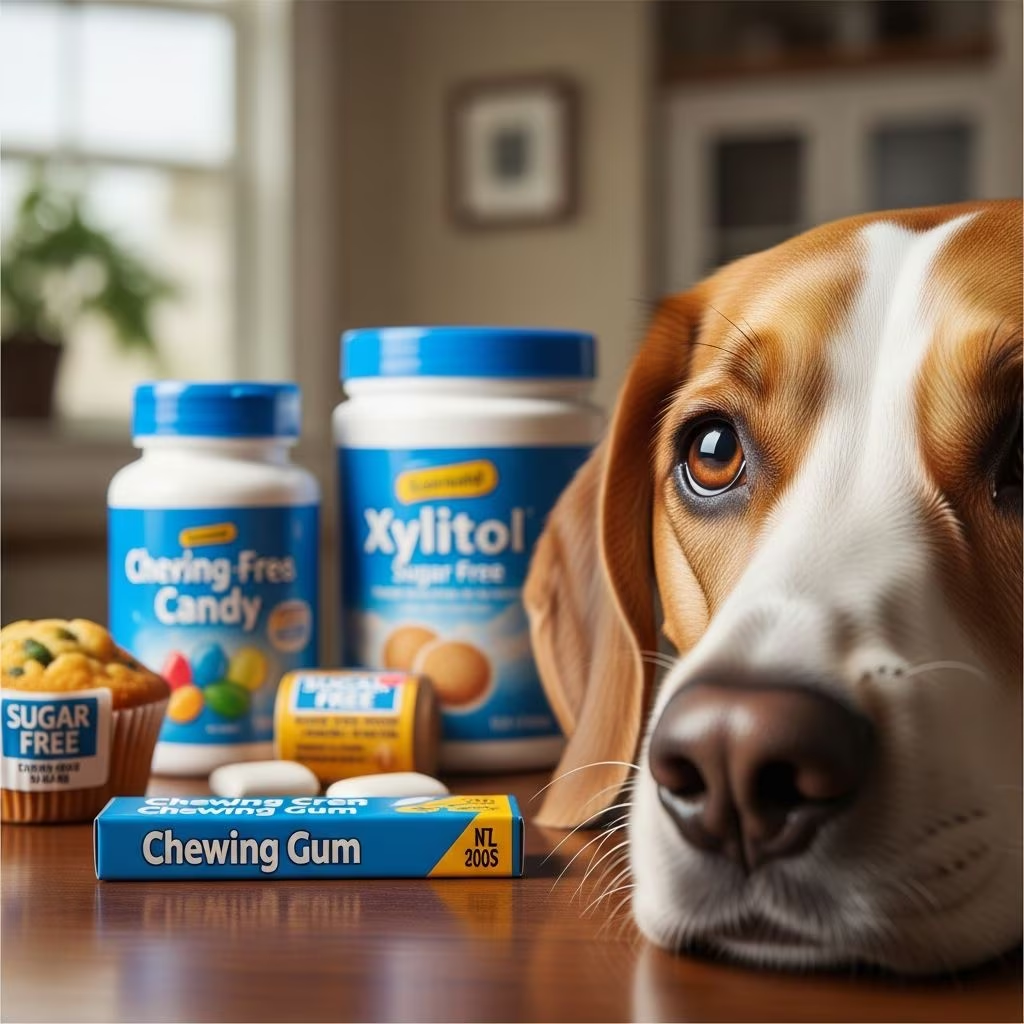
Understanding Xylitol Poisoning in Dogs
Xylitol is a sugar alcohol commonly found in sugar-free products such as chewing gum, candy, baked goods, and dental care items. While xylitol is safe for human consumption, it poses a serious and potentially life-threatening threat to dogs. This comprehensive guide will help you understand xylitol toxicity, recognize the warning signs, and take appropriate action if your dog has been exposed to this dangerous substance.
Why Is Xylitol Toxic to Dogs?
The mechanism of xylitol toxicity in dogs differs significantly from its effects in humans. When a dog ingests xylitol, the substance is rapidly absorbed into the bloodstream, triggering a dramatic physiological response that can have severe consequences.
Upon absorption, xylitol stimulates the pancreas to release insulin, causing a rapid and dangerous surge in insulin levels. This sudden insulin spike creates a profound drop in blood glucose levels—a condition known as hypoglycemia. This cascade of events can occur as quickly as 30 minutes to 2 hours after ingestion, and if left untreated, hypoglycemia can lead to seizures, coma, and even death.
Beyond the acute hypoglycemic effects, xylitol also poses a secondary threat through hepatotoxicity, or liver damage. Dogs that ingest higher levels of xylitol may develop severe liver injury within 12 to 48 hours of ingestion, potentially progressing to complete liver failure within 24 to 48 hours. The exact mechanism of this liver damage remains unclear, though researchers believe reactive oxygen species form and damage the liver cells.
How Much Xylitol Is Toxic to Dogs?
Understanding the toxic dose threshold is critical for pet owners. Even small amounts of xylitol can be dangerous for dogs, with the toxic dose starting at less than 50 mg per pound of body weight. This means that a single piece of sugar-free gum or a small candy could potentially poison a small dog.
For example, a 10-pound dog only needs to ingest approximately 500 mg of xylitol to be at risk, which is equivalent to just one or two pieces of some sugar-free gums. Larger dogs can tolerate slightly more by weight, but they remain vulnerable to poisoning from products containing significant xylitol concentrations.
Products with the highest xylitol concentrations include:
– Sugar-free chewing gum (often 0.5-1 gram per piece)- Sugar-free mints and candies- Certain peanut butters marketed as “xylitol-free” (ironically some contain it)- Baked goods and desserts- Dental products like toothpaste and mouthwash
Recognizing the Symptoms of Xylitol Poisoning
The symptoms of xylitol poisoning can appear rapidly, making early recognition crucial for successful treatment. Understanding the timeline and presentation of symptoms can help you take immediate action.
Early Warning Signs (Within 20-30 Minutes)
The first visible sign of xylitol poisoning is typically vomiting, which may appear within as little as 20 minutes after ingestion. This early vomiting represents your dog’s body’s attempt to expel the toxic substance.
Symptoms of Hypoglycemia (30 Minutes to 18+ Hours)
As blood glucose levels plummet, dogs develop various neurological and physical symptoms. These may include:
– Weakness and lethargy (sluggishness or decreased activity)- Ataxia (lack of coordination or difficulty walking or standing)- Body tremors- Seizures- Coma in severe cases- Loss of consciousness
The timing of symptom onset depends on several factors, including the formulation of the xylitol-containing product. For example, xylitol in gum products may be absorbed more slowly, delaying symptoms by up to 12–18 hours after ingestion in some cases compared to xylitol in liquid or candy form.
Symptoms of Liver Injury
Some dogs develop hepatotoxicity without showing initial hypoglycemic symptoms, often due to a phenomenon called the Somogyi response—a rebound increase in blood glucose similar to that seen with insulin overdose. Signs of liver injury include:
– Lethargy and depression- Vomiting- Icterus (yellowing of the skin, gums, and whites of the eyes)- Coagulopathy (abnormal bleeding or bruising)- Loss of appetite
When to Seek Emergency Veterinary Care
Time is of the essence when xylitol poisoning is suspected. If you suspect your dog has ingested xylitol, contact your veterinarian or Pet Poison Helpline immediately. Do not wait to see if symptoms develop—immediate professional intervention significantly improves outcomes.
When you contact your veterinarian, be prepared to provide the following critical information:
– Your dog’s current weight- The exact product ingested (if possible, provide the packaging)- The amount ingested (estimate if exact amount is unknown)- The time of ingestion- Any symptoms your dog is currently displaying
Treatment Protocols for Xylitol Poisoning
Veterinary treatment for xylitol poisoning focuses on preventing absorption, stabilizing blood glucose and electrolyte levels, and managing any liver injury that may develop.
Gastrointestinal Decontamination
If your dog presents to the veterinary clinic within 30 minutes of xylitol ingestion and shows no signs of hypoglycemia, your veterinarian may induce vomiting to remove the toxin from the stomach. However, because xylitol is rapidly absorbed, inducing vomiting is only effective very soon after ingestion. Never attempt to induce vomiting at home without specific veterinary guidance, as this can cause additional harm.
Blood Sugar Stabilization
The primary treatment for xylitol-induced hypoglycemia is intravenous (IV) dextrose administration. Your veterinarian will deliver dextrose either as bolus injections or through constant-rate infusions to rapidly raise blood glucose levels. Importantly, hypoglycemia may persist for 24 hours or longer after ingestion, requiring prolonged dextrose support until normal blood glucose can be maintained without supplementation.
Even if your dog is not showing symptoms, veterinarians typically administer dextrose if xylitol ingestion exceeds 500 mg/kg (227 mg/lb) as a preventive measure.
Supportive Therapy
Beyond dextrose, comprehensive treatment includes:
– IV fluid therapy with appropriate electrolytes to correct imbalances such as hypokalemia (low potassium) and hypophosphatemia (low phosphate)- Anti-nausea medications to control vomiting- Medications to protect the gastrointestinal tract- Hepatoprotectants (liver-protective medications) to support liver function- Blood work monitoring to track blood glucose and liver enzyme activity
Liver Injury Management
If liver injury develops, treatment becomes more intensive and may include specialized medications to support hepatic function and manage coagulopathy. In severe cases where liver failure occurs, dogs may require blood transfusions due to abnormal bleeding.
Hospital Stay and Monitoring
The duration of your dog’s hospitalization depends on the amount of xylitol ingested and the severity of symptoms. Mild cases may require hospitalization through the day for monitoring, while more severe cases may require several days of intensive care. Dogs that develop liver damage typically require longer hospitalizations and more aggressive treatment protocols.
After discharge, your dog may need to remain on liver supplements formulated specifically for dogs for several weeks, with continued blood work monitoring until abnormalities have fully resolved.
Prognosis and Recovery Outcomes
The prognosis for xylitol poisoning varies depending on the severity of damage and the timing of treatment. Dogs treated before clinical signs develop or those with uncomplicated hypoglycemia that is quickly reversed have an excellent prognosis. However, dogs that develop severe liver injury face a more guarded prognosis, with one study showing that 62.5% of dogs with clinical signs of liver injury died or were euthanized despite aggressive veterinary intervention.
With early recognition and aggressive treatment, most dogs can recover completely from xylitol poisoning. The key factor determining survival is how quickly treatment is initiated after exposure.
Preventing Xylitol Poisoning
The most effective way to protect your dog from xylitol poisoning is prevention through careful product awareness and household management.
Common Products Containing Xylitol
Be vigilant about the following products that commonly contain xylitol:
– Sugar-free chewing gum and mints- Sugar-free candies and chocolates- Sugar-free peanut butter and nut butters- Baked goods and desserts labeled “sugar-free”- Dental care products (toothpaste, mouthwash)- Some medications and supplements- Energy bars and protein bars- Puddings and gelatin desserts
Home Safety Measures
Implement these practical strategies to minimize your dog’s exposure risk:
– Store all xylitol-containing products in secure, elevated locations your dog cannot access- Check all product labels before bringing them into your home- Educate family members and visitors about xylitol dangers- Supervise your dog during gatherings where food may be present- Never leave sugar-free gum or mints in purses, bags, or on nightstands- Be particularly cautious during holiday seasons when sugar-free treats are more prevalent- Read product labels carefully, as xylitol may not be obvious in the ingredient list
Frequently Asked Questions About Xylitol Poisoning
Q: What should I do if my dog ate xylitol?
A: Contact your veterinarian or Pet Poison Helpline immediately. Provide information about the product, amount ingested, and time of ingestion. Do not wait for symptoms to appear before seeking professional help, as early intervention significantly improves outcomes.
Q: How quickly do xylitol poisoning symptoms appear?
A: Initial symptoms like vomiting can appear within 20-30 minutes of ingestion. However, symptoms of hypoglycemia may appear anywhere from 30 minutes to 18 hours after ingestion, depending on the product formulation. Some dogs may not show symptoms immediately, but liver damage can develop within 12-48 hours.
Q: Can I induce vomiting at home if my dog eats xylitol?
A: No, never induce vomiting at home without explicit veterinary guidance. While veterinarians may induce vomiting within 30 minutes of ingestion in clinically normal dogs, home induction can cause additional harm. Always contact your veterinarian first.
Q: Can dogs recover from xylitol poisoning?
A: Yes, dogs can recover from xylitol poisoning, especially with early treatment. Most dogs with uncomplicated hypoglycemia respond well to prompt veterinary intervention. However, recovery is more challenging for dogs that develop liver failure and requires intensive treatment.
Q: What is the long-term outlook after xylitol poisoning?
A: Dogs that recover from xylitol poisoning typically have no long-term effects if treated aggressively in the acute phase. However, dogs that developed liver injury may require continued monitoring and liver support supplements for several weeks after discharge.
Q: Are certain dog breeds more susceptible to xylitol poisoning?
A: Xylitol is toxic to all dogs regardless of breed, size, or age. However, smaller dogs face greater risk because they only need to ingest smaller amounts to reach toxic levels.
Key Takeaways
Xylitol poisoning represents a serious threat to canine health, but understanding the dangers allows you to take preventive action and respond quickly if exposure occurs. Remember that xylitol is toxic to dogs at doses beginning at less than 50 mg per pound of body weight, and symptoms can develop rapidly. Always check product labels, store xylitol-containing items securely, and seek immediate veterinary care if you suspect your dog has ingested xylitol. With prompt treatment and aggressive veterinary intervention, most dogs can recover successfully from this preventable poisoning.
References
- Xylitol Toxicosis in Dogs — Merck Veterinary Manual. Updated 2024. https://www.merckvetmanual.com/toxicology/food-hazards/xylitol-toxicosis-in-dogs
- Paws Off Xylitol; It’s Dangerous for Dogs — U.S. Food and Drug Administration. Updated 2024. https://www.fda.gov/consumers/consumer-updates/paws-xylitol-its-dangerous-dogs
- Xylitol Toxicity in Dogs — VCA Animal Hospitals. Updated 2024. https://vcahospitals.com/know-your-pet/xylitol-toxicity-in-dogs
- Xylitol Poisoning in Dogs — MedVet. Updated 2024. https://www.medvet.com/xylitol-poisoning-in-dogs
- Xylitol toxicities — Cornell University College of Veterinary Medicine. Updated 2024. https://www.vet.cornell.edu/departments-centers-and-institutes/riney-canine-health-center/canine-health-topics/xylitol-toxicities
- Xylitol toxicity in dogs — PubMed, National Center for Biotechnology Information. Published 2010. https://pubmed.ncbi.nlm.nih.gov/20473849/



