

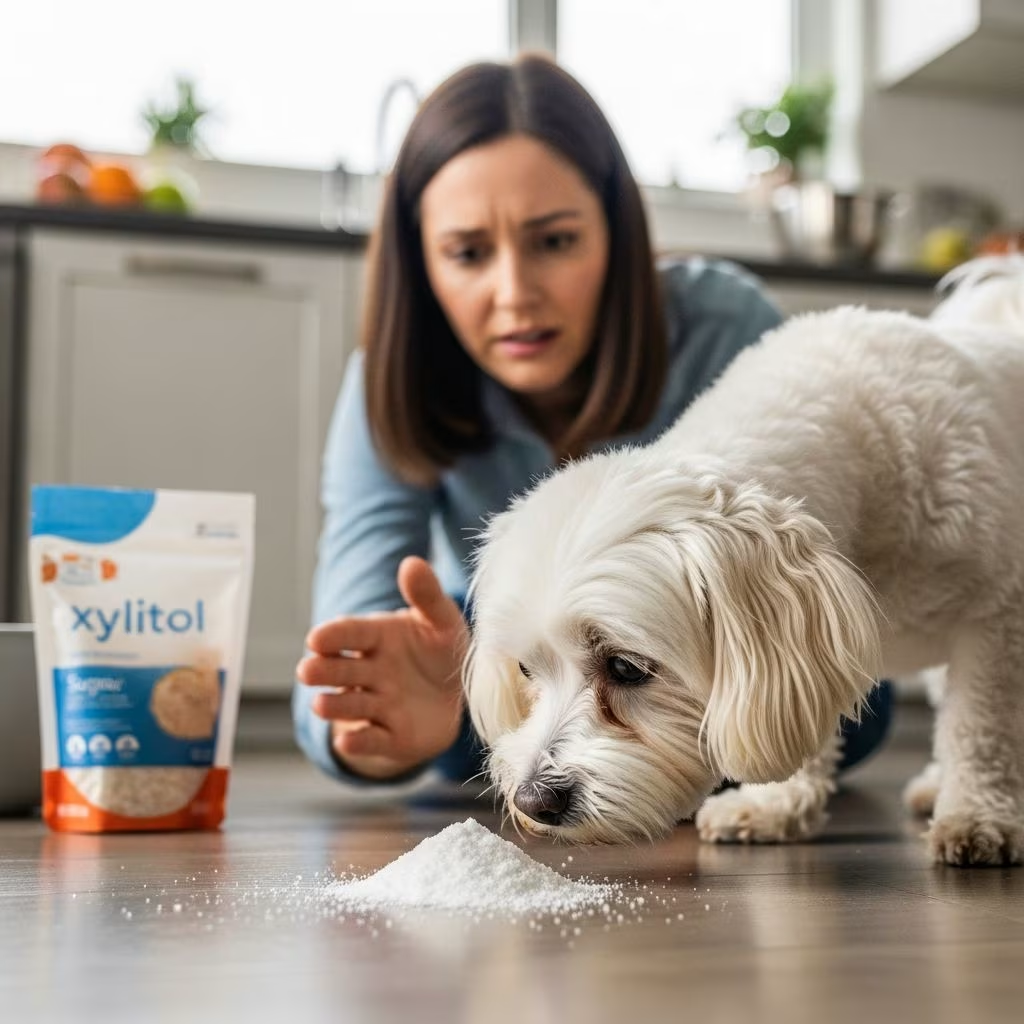
Xylitol, a popular sugar alcohol used in sugar-free products, poses a lethal threat to dogs by triggering massive insulin release that plummets blood glucose levels and damages the liver. Even tiny amounts can cause hypoglycemia within minutes, progressing to seizures, coma, or death if untreated.
What Makes Xylitol a Deadly Toxin for Canines?
In humans and many animals, xylitol passes through the digestive system harmlessly as a low-calorie sweetener. Dogs, however, metabolize it differently: it is rapidly absorbed into the bloodstream, fooling pancreatic cells into secreting excessive insulin. This surge drives blood sugar dangerously low, starving the brain and vital organs of energy.
Higher doses overwhelm the liver, causing acute failure through unknown mechanisms possibly involving oxidative stress from reactive oxygen species. Not every exposed dog develops liver issues, but the risk escalates with ingestion amount, making any exposure a veterinary emergency.
Everyday Products Laden with Hidden Xylitol
Xylitol lurks in countless household items, often labeled simply as ‘sugar-free.’ Pet owners must scrutinize ingredient lists vigilantly.
- Gum and Mints: A single piece of xylitol-sweetened gum contains 0.2–1 gram, enough to poison small dogs.
- Candies and Cough Drops: Hard candies, lozenges, and throat soothers frequently use xylitol for its cooling effect.
- Baked Goods and Peanut Butter: Sugar-free muffins, cookies, frostings, and brands like Goobers or Nuts ‘N More.
- Medications and Supplements: Chewable vitamins, pain relievers, mouthwashes, and dental products.
- Other Items: Toothpaste, nasal sprays, sleep aids, and even some pet dental chews.
Toxicity thresholds vary by dog size: 0.1 g/kg risks hypoglycemia; over 0.5 g/kg threatens liver failure. A 10-lb dog could succumb from one gum piece.
Timeline of Toxicity: From Ingestion to Crisis
Symptoms erupt rapidly due to xylitol’s swift absorption, differing by product matrix.
| Ingestion Amount | Onset Time | Primary Effects |
|---|---|---|
| <0.1 g/kg | Monitor closely | Possible mild GI upset |
| 0.1–0.5 g/kg | 30 min–12 hrs | Hypoglycemia: vomiting, lethargy |
| >0.5 g/kg | 30 min–18 hrs | Hypoglycemia + liver enzyme spike |
Liver damage signs may lag 24–72 hours, with elevated enzymes, jaundice, and coagulopathy even after glucose stabilizes.
Recognizing the Alarming Signs of Poisoning
Early detection saves lives. Symptoms cascade from hypoglycemia to hepatic crisis.
Phase 1: Hypoglycemic Onslaught (10–60 Minutes)
- Vomiting or retching
- Weakness, staggering ataxia
- Lethargy, depression
- Tremors, muscle twitching
Phase 2: Neurological Emergency
- Seizures, convulsions
- Collapse, coma
- Pale gums, rapid panting
- Hypokalemia (low potassium)
Phase 3: Liver Failure Indicators (1–3 Days)
- Jaundice (yellowing)
- Bruising, bleeding
- Hyperphosphatemia, thrombocytopenia
- Anorexia, ascites
Mild cases masquerade as tummy aches but escalate fast. Always err toward urgency.
Critical First Response: What to Do Immediately
Time is critical—delay kills. Never wait for symptoms.
- Calculate Dose: Weigh dog, check product label for xylitol mg/g. Use online calculators if needed.
- Call Vet/Poison Hotline: Pet Poison Helpline (855-764-7661) or local ER. Provide weight, product, amount, time.
- Do NOT Induce Vomiting at Home: Risk aspiration if seizing; only under vet guidance.
- Transport Safely: Leash/harness, bring packaging. Offer water sips if alert/non-vomiting.
Professional Treatment Protocols
Vets tailor care to exposure severity, prioritizing stabilization.
- Decontamination: Emesis (if <30 min, stable), GI protectants. No charcoal—xylitol doesn’t bind.
- Hypoglycemia Rx: IV dextrose bolus, then CRI (constant rate infusion) 24–48 hrs. Monitor glucose q1–2h.
- Liver Support: SAMe, silymarin, fluids. Track ALT/AST, bilirubin, coag panel.
- Monitoring: Serial bloodwork, electrolytes, hospitalization 1–3 days.
Prognosis excels with early intervention; survival exceeds 90% for hypoglycemia alone, lower for liver failure.
Prevention Blueprint: Safeguard Your Home
Proactive habits avert tragedy.
- Storage Lockdown: Purses, counters, trash—xylitol-free zones.
- Label Scrutiny: Avoid ‘xylitol,’ ‘birch sugar,’ ‘sugar alcohol.’
- Pet-Safe Alternatives: Stevia, monk fruit for treats.
- Training: ‘Leave it’ for dropped items.
- Family Education: Brief all household on risks.
FAQs: Xylitol Poisoning Essentials
Is all sugar-free gum toxic to dogs?
Most contain xylitol; check labels. Even ‘xylitol-free’ gums may have traces.
Can small dogs survive xylitol ingestion?
Small breeds face higher risk per gram. Prompt care yields good outcomes.
What if my dog ate xylitol hours ago?
Liver effects can delay. Seek eval regardless.
Is xylitol safe for cats or other pets?
Cats less sensitive but not immune; primary canine concern.
How to calculate toxic dose?
Dog weight (kg) x 0.1 g/kg threshold. Product % xylitol determines grams.
Long-Term Recovery and Monitoring
Post-discharge, liver supplements (denamarin) for weeks, rechecks q1–2w until normal. Most rebound fully, but rare chronic cases occur.
References
- Xylitol Toxicosis in Dogs — Merck Veterinary Manual. 2023. https://www.merckvetmanual.com/toxicology/food-hazards/xylitol-toxicosis-in-dogs
- Xylitol Poisoning in Dogs — UC Davis School of Veterinary Medicine. 2024. https://healthtopics.vetmed.ucdavis.edu/health-topics/xylitol-poisoning-dogs
- Xylitol Poisoning in Dogs: Emergency Signs & Critical Steps — GSVS. 2023. https://gsvs.org/blog/xylitol-poisoning-dogs-emergency/
- Xylitol Poisoning in Dogs: Signs, Treatment, and Prevention — PetMD. 2024. https://www.petmd.com/dog/poisoning/xylitol-poisoning-in-dogs
- Xylitol Poisoning in Dogs — VCA Animal Hospitals. 2023. https://vcahospitals.com/know-your-pet/xylitol-toxicity-in-dogs
- Xylitol Poisoning in Dogs — MedVet. 2024. https://www.medvet.com/xylitol-poisoning-in-dogs/
- Xylitol toxicity in dogs — PubMed/NCBI. 2010-05. https://pubmed.ncbi.nlm.nih.gov/20473849/
- Paws Off Xylitol; It’s Dangerous for Dogs — FDA. 2023. https://www.fda.gov/consumers/consumer-updates/paws-xylitol-its-dangerous-dogs



