

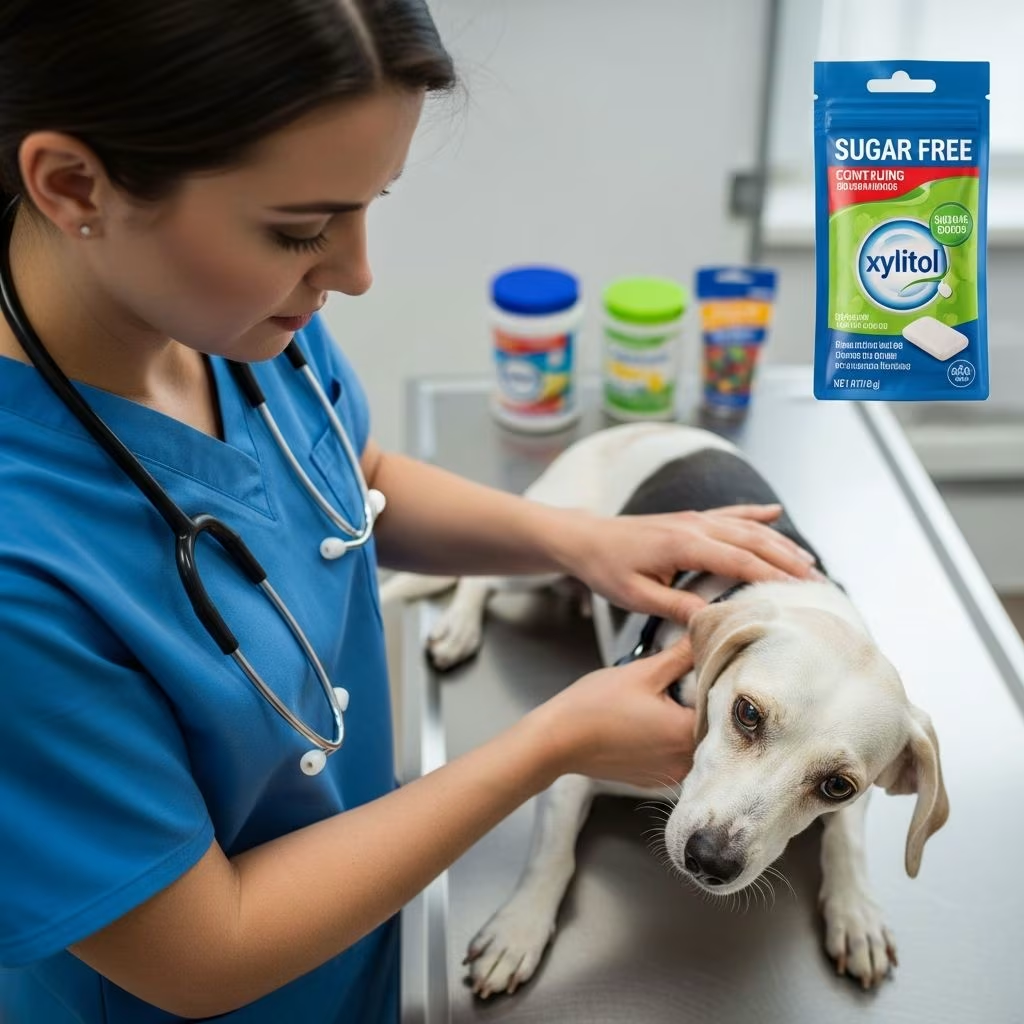
Xylitol, a popular sugar substitute found in countless household products, poses an extreme risk to dogs. Unlike humans, where it serves as a safe, low-calorie sweetener, xylitol triggers catastrophic physiological responses in canines, leading to severe hypoglycemia and potential liver destruction. Even tiny amounts can prove fatal within hours, making swift recognition and action critical for survival.
Understanding Xylitol’s Toxic Mechanism in Canines
At the core of xylitol’s danger lies its interaction with a dog’s pancreas. Upon ingestion, xylitol is rapidly absorbed into the bloodstream, prompting an explosive release of insulin. This surge drives blood glucose levels into a perilous plunge, often within 30 minutes. Without intervention, this hypoglycemia escalates to life-threatening seizures and coma.
Higher doses compound the crisis by assaulting the liver directly. Enzymes skyrocket 12 to 48 hours post-ingestion, potentially culminating in acute failure. The precise pathway remains elusive, but outcomes underscore urgency: dogs may bypass initial hypoglycemia only to face delayed hepatic collapse.
- Rapid insulin spike: Blood sugar crashes fast, mimicking insulin overdose.
- Hepatic assault: Liver enzymes elevate, risking coagulopathy and multi-organ shutdown.
- Dose-response severity: As little as 0.1 grams per kilogram body weight sparks hypoglycemia; 0.5 grams per kilogram threatens liver damage.
Everyday Products Lurking with Xylitol
Xylitol hides in plain sight across kitchens, bathrooms, and purses. Sugar-free gums like Orbit and Extra pack 1-2 grams per piece—enough to poison a 10-pound dog fatally. Peanut butter brands, baked goods, candies, and even some toothpastes and nasal sprays contain it, often unlabeled clearly.
| Product Type | Common Examples | Xylitol Content Risk |
|---|---|---|
| Gum & Mints | Orbit, Ice Breakers, Altoids | High: 1-3g per piece |
| Peanut Butter | Natural brands like Goober | Medium-High: Check labels |
| Candies & Chocolates | Sugar-free varieties | High: Often multiple grams |
| Baked Goods | Low-sugar muffins, cookies | Variable: Bakeries use liberally |
| Personal Care | Toothpaste, mouthwash | Low but concentrated |
Pet owners must scrutinize labels for “xylitol,” “birch sugar,” or “wood sugar.” Cross-contamination in shared spaces amplifies risks during holidays or when treats are accessible.
Critical Warning Signs of Xylitol Exposure
Symptoms erupt in phases, demanding immediate vigilance. Vomiting often heralds the onset within 20-30 minutes, followed by hypoglycemia indicators as glucose plummets.
- Early phase (10-60 minutes): Retching, diarrhea, sudden hunger.
- Hypoglycemic crisis (30 min-12 hours): Lethargy, ataxia (wobbling), collapse, tachycardia, tremors, seizures, coma.
- Liver phase (24-72 hours): Jaundice (yellow gums/eyes), bruising, bleeding tendencies from coagulopathy.
Not all dogs exhibit every sign; some leap straight to seizures. Liver signs may lag, masking initial threats. Monitor relentlessly if exposure is suspected.
Immediate Response: First Steps After Suspected Ingestion
Time is the enemy—act instantaneously. Contact your veterinarian or a pet poison hotline like ASPCA (888-426-4435) without delay. Provide exact product details, amount ingested, dog’s weight, and time elapsed.
Never induce vomiting at home: Hypoglycemic dogs risk aspiration or worsened collapse. Vets may direct it only if stable and early (under 30 minutes). Resist home remedies like hydrogen peroxide; professional guidance rules.
- Secure the scene: Remove access to more xylitol.
- Call professionals: Vet or poison control for dosing assessment.
- En route to clinic: Keep dog calm, warm; note symptoms.
Advanced Veterinary Interventions Explained
Hospitalization forms the backbone of care. Intravenous dextrose infusions counteract hypoglycemia, stabilizing glucose for 12-24 hours minimum. Fluids correct electrolytes like potassium and phosphorus imbalances.
Liver protocols activate if enzymes climb: Hepatoprotectants (e.g., SAMe, milk thistle derivatives), vitamin K for clotting, anti-nausea meds, and GI barriers. Severe cases demand plasma transfusions or intensive monitoring.
Expect bloodwork serials: Glucose q1-2h initially, liver panels at 24/48/72 hours. Discharge hinges on normalized values; follow-up supplements may span weeks. Prognosis shines for prompt hypoglycemia treatment (90%+ survival); liver failure dims it to 60-70% despite heroics.
Proactive Prevention: Fortifying Your Home Against Xylitol
Elimination trumps reaction. Conduct a xylitol audit: Purge gums from bags, elevate peanut butters, opt for xylitol-free toothpaste (VOHC-approved). Educate family—kids often share treats unwittingly.
Training reinforces: Teach “leave it” rigorously. Store securely in locked cabinets. For travelers, pack dog-safe alternatives. Routine label checks become habit.
- Label vigilance: Boycott anything listing xylitol.
- Counter-proofing: Latch cabinets, use dog gates.
- Visitor prep: Warn guests about purse candies.
- Alternatives: Stevia-sweetened products safer.
Real-World Scenarios and Lessons Learned
Consider a 20-pound Labrador snatching gum: One pack (2g xylitol) exceeds toxic threshold, sparking crisis. Swift vet care via IV dextrose averts disaster. Contrast with delayed response: Liver enzymes at 2000 IU/L signal peril, transfusion needed.
Stats sobering: ASPCA logs 4,000+ annual cases, with rising trend from sugar-free boom. Small breeds suffer most due to dose sensitivity.
Frequently Asked Questions on Xylitol Toxicity
Is xylitol safe for all pets?
No—dogs face acute risk; cats, ferrets less affected but monitor. Humans safe.
How much xylitol is dangerous for my dog?
Hypoglycemia at >0.1g/kg; liver at >0.5g/kg. E.g., 0.5g lethal for 10lb dog.
Can dogs recover from xylitol liver damage?
Yes, with intensive care; many rebound, but some succumb despite treatment.
What if symptoms appear hours later?
Seek emergency care—could signal delayed absorption or liver onset.
Are there xylitol-free alternatives for treats?
Yes: Plain peanut butter (check labels), vet-formulated chews.
Long-Term Monitoring Post-Recovery
Survivors thrive with vigilance. Monthly liver checks first three months, then quarterly. Supplements like Denamarin support regeneration. Annual blood panels baseline health. Behavioral shifts? None typically, but anxiety around sweets warrants retraining.
Empower owners: Download poison apps, join forums judiciously. Knowledge fortifies bonds, ensuring tails wag safely.
References
- A Guide to Xylitol Toxicity in Pets — Southern Arizona Veterinary Specialty & Emergency. 2023. https://southernazvets.com/a-guide-to-xylitol-toxicity-in-pets/
- Xylitol Poisoning in Dogs: Signs, Treatment, and Prevention — PetMD. 2024-01-15. https://www.petmd.com/dog/poisoning/xylitol-poisoning-in-dogs
- Xylitol Toxicosis in Dogs — Merck Veterinary Manual. 2025. https://www.merckvetmanual.com/toxicology/food-hazards/xylitol-toxicosis-in-dogs
- Xylitol Poisoning in Dogs — Blue Cross. 2024. https://www.bluecross.org.uk/advice/dog/xylitol-poisoning-in-dogs
- Xylitol Poisoning in Dogs: Signs, Dangers & What to Do Immediately — Cornerstone Vet Clinic. 2023-10-20. https://cornerstonevetclinic.com/blog/xylitol-poisoning-in-dogs-signs-dangers-what-to-do-immediately/
- Xylitol Poisoning in Dogs — VCA Animal Hospitals. 2024. https://vcahospitals.com/know-your-pet/xylitol-toxicity-in-dogs
- Xylitol toxicities — Cornell University College of Veterinary Medicine. 2023. https://www.vet.cornell.edu/departments-centers-and-institutes/riney-canine-health-center/canine-health-topics/xylitol-toxicities
- Paws Off Xylitol; It’s Dangerous for Dogs — U.S. Food and Drug Administration (FDA). 2022-12-01. https://www.fda.gov/consumers/consumer-updates/paws-xylitol-its-dangerous-dogs



