

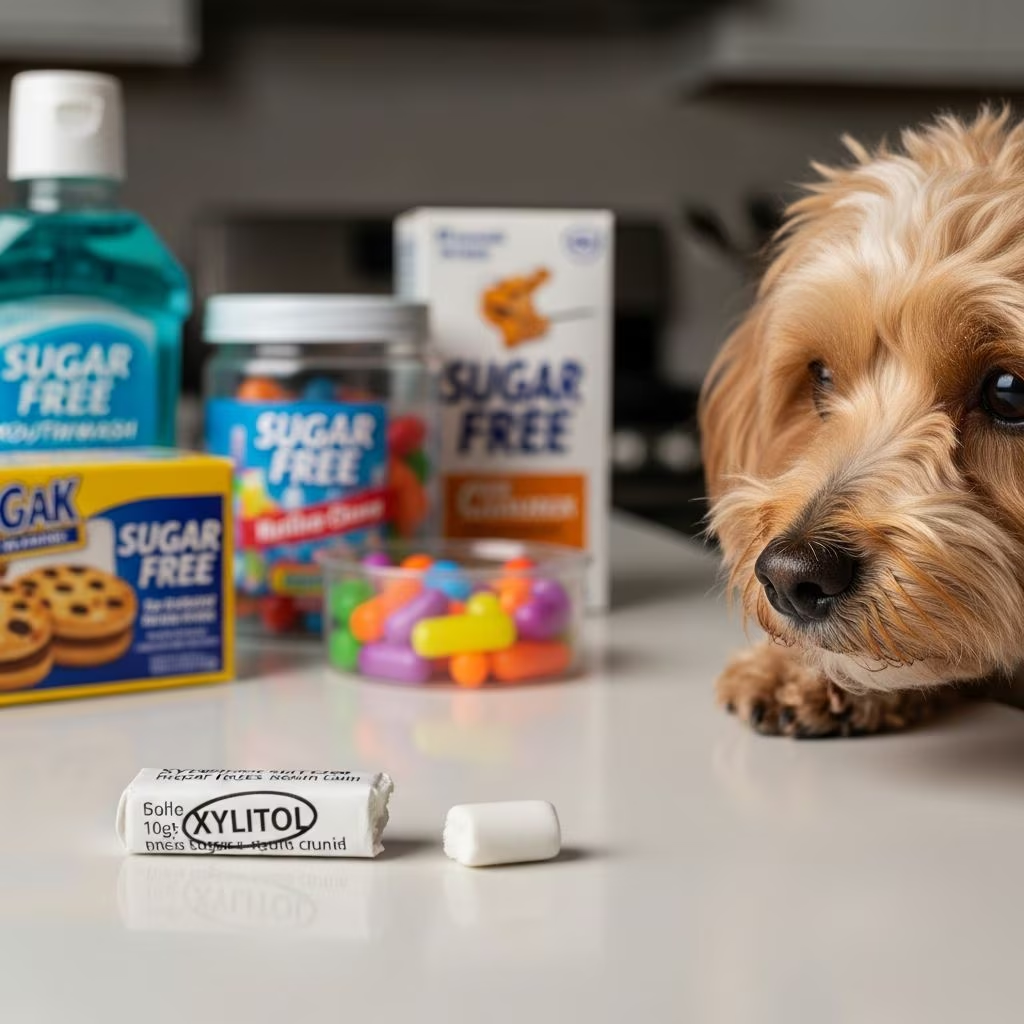
Xylitol, a common sugar alcohol in sugar-free products, triggers rapid insulin release in dogs, leading to dangerous low blood sugar and potential liver damage. Even tiny amounts can cause life-threatening effects within minutes.
Why Xylitol Targets Dogs So Aggressively
Dogs metabolize xylitol differently than humans. When ingested, it prompts the pancreas to overproduce insulin, plunging blood glucose levels—a condition called hypoglycemia. This can occur as quickly as 30 minutes after consumption. Higher doses also harm the liver, elevating enzymes and risking failure within 24-48 hours.
Unlike people, where xylitol serves as a safe sweetener, dogs lack the mechanisms to process it harmlessly. Products with concentrations above 0.1% pose risks, but dangers escalate rapidly with dose.
Everyday Products Packed with Hidden Xylitol
Xylitol lurks in many household items that dogs might encounter. Awareness of these sources is crucial for prevention.
- Gum and mints: Often the top culprit, with pieces containing 0.2-2 grams per piece.
- Candy and chocolates: Sugar-free varieties frequently list xylitol first.
- Peanut butter: Check labels; some brands use it as a sweetener.
- Baked goods and pastries: Sugar-free muffins or cookies may include it.
- Medications and supplements: Chewable vitamins, throat lozenges, or liquid pain relievers.
- Toothpaste and oral care: Human dental products often contain it.
- Nasal sprays and ear drops: Some over-the-counter versions.
A single piece of gum can deliver a toxic dose for small dogs under 10 pounds. Always scrutinize ingredient lists for “xylitol” or “birch sugar.”
Toxic Dose Levels: Know the Numbers
The risk hinges on the dog’s weight and xylitol amount ingested. Use this table for quick reference:
| Dog Weight (lbs) | Hypoglycemia Risk (> g/kg) | Liver Failure Risk (> g/kg) |
|---|---|---|
| 5 | 0.1 (e.g., 1 gum piece) | 0.5+ |
| 10 | 0.2 | 1.0+ |
| 20 | 0.4 | 2.0+ |
| 50 | 1.0 | 5.0+ |
Hypoglycemia strikes at doses over 0.1 g/kg body weight; liver issues at 0.5 g/kg or more. Small breeds face higher peril from minimal ingestion.
Warning Signs: From Mild to Critical
Symptoms unfold in stages, starting with gastrointestinal upset and escalating to neurological crises. Act fast—delays worsen outcomes.
Early Indicators (10-30 Minutes)
- Vomiting or retching
- Lethargy or unusual tiredness
- Weakness or reluctance to move
Progressing Hypoglycemia (30 Minutes-2 Hours)
- Ataxia (wobbly gait, stumbling)
- Tremors or muscle twitching
- Collapse or inability to stand
- Pale gums, rapid breathing
Severe Stages (Untreated)
- Seizures
- Coma
- Liver signs: Yellowing skin/eyes (jaundice), bleeding tendencies, dark urine
Vomiting often signals the onset; without intervention, seizures can follow within hours. Liver damage may appear 12-48 hours later, even without initial hypoglycemia.
Emergency Response: Every Second Counts
Never wait for symptoms to peak. Contact a vet or poison hotline (e.g., ASPCA at 888-426-4435) immediately upon suspicion.
- Do not induce vomiting at home: Risky due to rapid absorption and seizure potential.
- Rush to a veterinary clinic: Time is critical for decontamination.
- Provide details: Product type, amount eaten, dog’s weight, time of ingestion.
Vets assess via blood tests for glucose and liver values. Early cases may involve activated charcoal; all need IV dextrose to stabilize sugar levels.
Medical Interventions Explained
Treatment prioritizes stabilizing the dog and preventing complications. Here’s what happens:
- IV Dextrose: Bolus followed by continuous infusion to counter hypoglycemia, often for 12-24 hours.
- Fluid Therapy: Supports hydration, flushes toxins, corrects electrolytes.
- Liver Protection: Medications like SAMe or milk thistle; monitoring enzymes for days.
- Anti-Seizure Drugs: Diazepam if convulsions occur.
- Hospital Monitoring: Bloodwork every few hours; stays range from 24 hours (mild) to days (liver involvement).
Prognosis excels with prompt care—over 90% survival if treated before seizures. Liver failure cases require intensive support but can recover.
Long-Term Recovery and Follow-Up
Post-discharge, dogs need:
- Liver supplements for weeks.
- Serial blood tests to track enzymes.
- Blended diet avoiding fats initially.
- Rest to aid healing.
Full recovery typically takes 2-4 weeks, but some show lingering enzyme elevations.
Prevention Blueprint: Keep Your Dog Safe
Proactive steps eliminate risks:
- Secure Storage: Countertops, purses, trash bins—xylitol-free zones.
- Label Check: Scan all sugar-free items before purchase.
- Dog-Proof Home: Use cabinets, leashes during visits.
- Pet-Safe Alternatives: Xylitol-free peanut butter, toothpaste designed for dogs.
- Inform Family: Educate all household members and guests.
- Travel Prep: Pack pet-safe treats; alert hotels.
Training “leave it” commands helps, but vigilance trumps all.
Frequently Asked Questions
What if my dog ate xylitol 2 hours ago with no symptoms?
Still seek vet care—hypoglycemia can lag, especially with fatty matrices like peanut butter. Blood tests guide next steps.
Is xylitol safe for cats or other pets?
Cats show milder effects, but risks exist. Focus remains on dogs.
Can dogs recover from xylitol-induced liver failure?
Yes, with aggressive treatment, though hospitalization extends.
How much gum is dangerous for a 15-lb dog?
One piece often exceeds 0.1 g/kg threshold—call poison control.
Are there xylitol-free human products?
Yes, seek erythritol or stevia-sweetened options, but store securely.
Final Thoughts on Protecting Your Pup
Xylitol poisoning remains a top toxicity call to vet hotlines yearly, yet simple habits prevent tragedy. Stay informed, act swiftly, and your dog can thrive xylitol-free.
References
- Xylitol Poisoning in Dogs: Signs, Treatment, and Prevention — PetMD. 2023. https://www.petmd.com/dog/poisoning/xylitol-poisoning-in-dogs
- Xylitol Toxicosis in Dogs — Merck Veterinary Manual. 2024-02-28. https://www.merckvetmanual.com/toxicology/food-hazards/xylitol-toxicosis-in-dogs
- Xylitol Toxicosis in Dogs — MSD Veterinary Manual. 2024-02-28. https://www.msdvetmanual.com/toxicology/food-hazards/xylitol-toxicosis-in-dogs
- Xylitol Poisoning in Dogs — Blue Cross. 2023. https://www.bluecross.org.uk/advice/dog/xylitol-poisoning-in-dogs
- Xylitol Poisoning in Dogs: Signs, Dangers & What to Do Immediately — Cornerstone Vet Clinic. 2024. https://cornerstonevetclinic.com/blog/xylitol-poisoning-in-dogs-signs-dangers-what-to-do-immediately/
- Xylitol Toxicity in Dogs — VCA Animal Hospitals. 2023. https://vcahospitals.com/know-your-pet/xylitol-toxicity-in-dogs
- Xylitol Toxicities — Cornell University College of Veterinary Medicine. 2024. https://www.vet.cornell.edu/departments-centers-and-institutes/riney-canine-health-center/canine-health-topics/xylitol-toxicities
- Paws Off Xylitol; It’s Dangerous for Dogs — U.S. Food and Drug Administration. 2022-10-14. https://www.fda.gov/consumers/consumer-updates/paws-xylitol-its-dangerous-dogs



