
Xylitol and Cats: Toxicity Risks Explained
Discover why xylitol poses minimal threat to cats unlike dogs, backed by recent studies and veterinary insights.
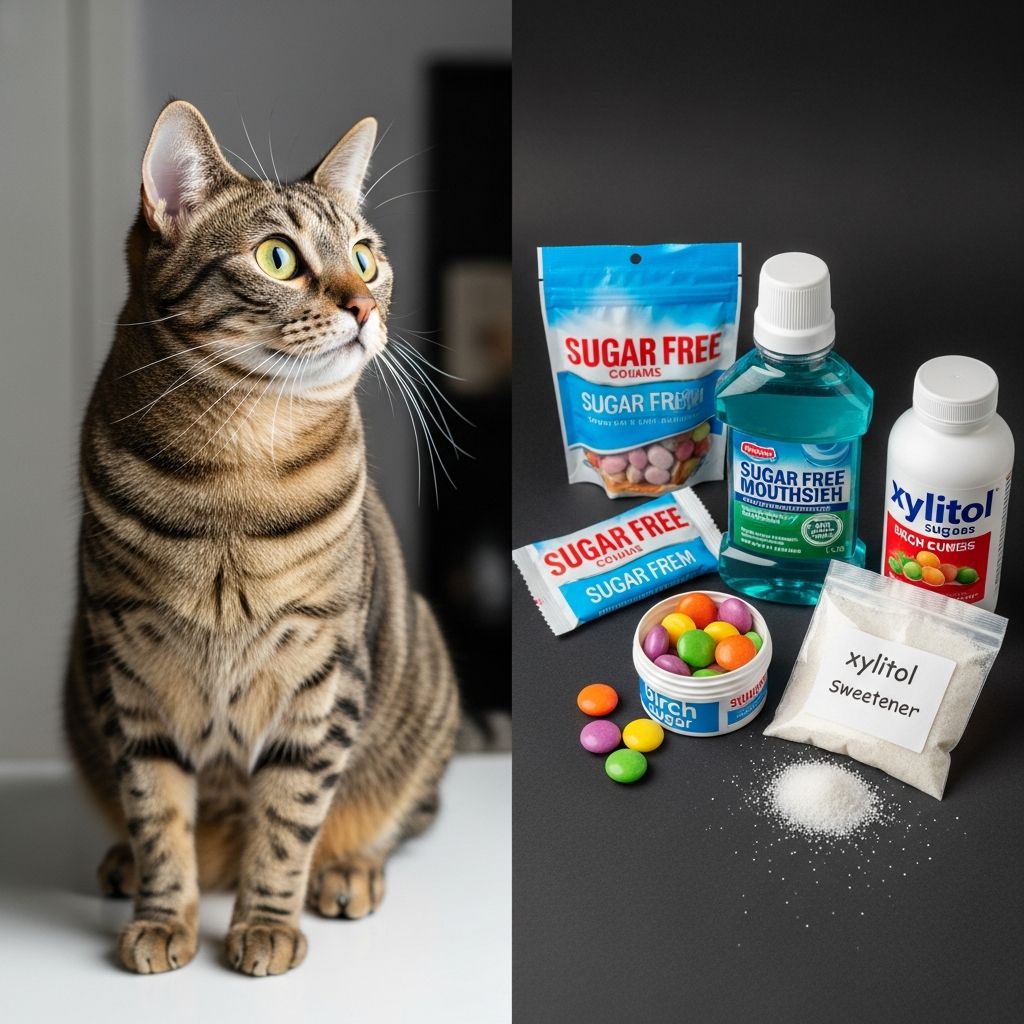
Xylitol, a popular sugar substitute in sugar-free products, triggers severe reactions in dogs but shows little to no toxicity in cats based on current veterinary research and clinical observations.
Understanding Xylitol in Everyday Products
Xylitol occurs naturally in some fruits and vegetables but is synthetically produced for use in chewing gums, candies, baked goods, toothpastes, and pharmaceuticals as a low-calorie sweetener. Its appeal lies in preventing tooth decay and providing sweetness without raising blood sugar levels in humans. Pet owners must recognize these items since cats, being curious, might encounter them in households.
- Common sources: Sugar-free gum, mints, peanut butter, and dental products.
- Why it’s widespread: Marketed as diabetic-friendly and cavity-fighting.
- Household risk: Often left accessible on counters or in bags.
While dogs face life-threatening consequences from even small amounts, feline physiology differs significantly, reducing the danger for cats.
Why Cats Differ from Dogs in Xylitol Response
The key distinction stems from metabolic differences. In dogs, xylitol prompts a rapid insulin surge from the pancreas, plummeting blood glucose and risking liver failure. Cats lack this strong insulin response due to their carnivorous metabolism and lower sensitivity to carbohydrates.
A pivotal 2018 study administered oral xylitol doses up to 1,000 mg/kg to six healthy cats, doses lethal to dogs. Results showed no hypoglycemia; instead, mild blood glucose elevation occurred at the highest dose without other adverse effects on blood counts or health markers. This aligns with anecdotal veterinary reports where cats ingesting xylitol display no symptoms.
| Species | Toxic Dose Threshold | Primary Effects |
|---|---|---|
| Dogs | >0.1 g/kg | Hypoglycemia, liver necrosis |
| Cats | >1 g/kg (untested fully) | No significant changes observed |
However, some sources caution potential liver concerns at extreme doses, though evidence remains sparse.
Potential Signs to Monitor in Cats
Unlike dogs, where symptoms like vomiting, weakness, tremors, seizures, and collapse emerge within 30 minutes, cats rarely exhibit issues. If a cat consumes a massive quantity, owners might note mild gastrointestinal upset or lethargy, but hypoglycemia signs are absent.
- Possible subtle indicators: Unsteadiness, reduced appetite, or vomiting (rare).
- Timeline: Effects, if any, unlikely before 12 hours and typically negligible.
- Contrast with dogs: Felines do not develop rapid low blood sugar.
Veterinarians emphasize that without witnessed ingestion of large amounts, alarm is unnecessary. Still, vigilance prevents oversight.
Immediate Steps if Exposure Occurs
Upon suspecting xylitol ingestion, contact a veterinarian promptly rather than attempting home remedies, as cats handle induced vomiting poorly.
- Assess quantity: Note product type and estimated amount.
- Call vet or poison hotline: Provide details for guidance.
- Avoid human interventions: No safe at-home emetics for cats.
Professionals may recommend monitoring, blood tests for glucose and liver enzymes, or decontamination if within one hour.
Veterinary Interventions and Monitoring
Treatment mirrors general toxin protocols but is conservative for xylitol in cats. Options include:
- Emesis induction: Via injection at clinic if recent ingestion.
- Activated charcoal: To bind remaining xylitol in gut.
- Supportive care: IV fluids, dextrose if glucose dips (rare), liver protectants.
- Diagnostics: Bloodwork, urinalysis for organ function.
Hospitalization is uncommon unless symptoms appear, prioritizing stabilization over aggressive measures. Prognosis excels with early action.
Prevention Strategies for Cat-Safe Homes
Proactive measures eliminate risks entirely.
- Secure storage: Keep xylitol products in closed cabinets.
- Label awareness: Check ingredients in all sugar-free items.
- Alternatives: Use pet-safe dental chews and treats.
- Education: Inform household members about pet dangers.
Regular home audits catch hidden sources like medications or cosmetics.
Research Gaps and Ongoing Studies
While the 2018 study provides reassurance, experts call for more data on ultra-high doses, chronic exposure, and long-term liver impacts. Current consensus deems xylitol low-risk for cats, but research evolves. Vets reference clinical experiences confirming safety.
Common Myths About Xylitol and Pets
Misinformation persists online. Key clarifications:
- Myth: Xylitol equally poisons all pets. Fact: Cats resist due to biology.
- Myth: Home sugar remedies always help. Fact: Only under vet direction; risky otherwise.
- Myth: Small amounts safe for cats. Fact: Generally true, but quantity matters.
Frequently Asked Questions
Is xylitol ever fatal to cats?
No documented cases exist; studies show safety up to high doses.
What if my cat ate gum with xylitol?
Observe for issues; consult vet with product details. Decontamination possible if prompt.
How much xylitol is dangerous for cats?
Should I use xylitol toothpaste on my cat?
Avoid; opt for enzymatic pet formulas.
Why are dogs so vulnerable?
Pancreatic insulin overresponse causes hypoglycemia.
Broader Implications for Feline Nutrition
Cats thrive on meat-based diets, minimizing sweet exposures naturally. Understanding toxins like xylitol empowers owners for healthier lives. Consult vets for personalized advice amid emerging findings.
References
- Xylitol Poisoning in Cats: Signs, Symptoms, & Treatment — cats.com. 2023. https://cats.com/xylitol-poisoning-in-cats
- Xylitol Toxicosis in Cats – Causes, Treatment and … — Vetster. 2024. https://vetster.com/en/conditions/cat/xylitol-toxicosis-in-cats
- Xylitol poisoning in cats | Health A-Z — Joii Pet Care. 2023. https://www.joiipetcare.com/blogs/poisons/xylitol-poisoning-in-cats
- Effects of p.o. administered xylitol in cats — PubMed (peer-reviewed). 2018-02-09. https://pubmed.ncbi.nlm.nih.gov/29430681/
- A Guide to Xylitol Toxicity in Pets — Southern Arizona Veterinary Specialty & Emergency. 2023. https://southernazvets.com/a-guide-to-xylitol-toxicity-in-pets/
- What Is Xylitol? — Feeding Hills Veterinary Clinic. 2024. https://feedinghillsvet.com/blog/what-is-xylitol/
Similar Articles








Read full bio of medha deb




