

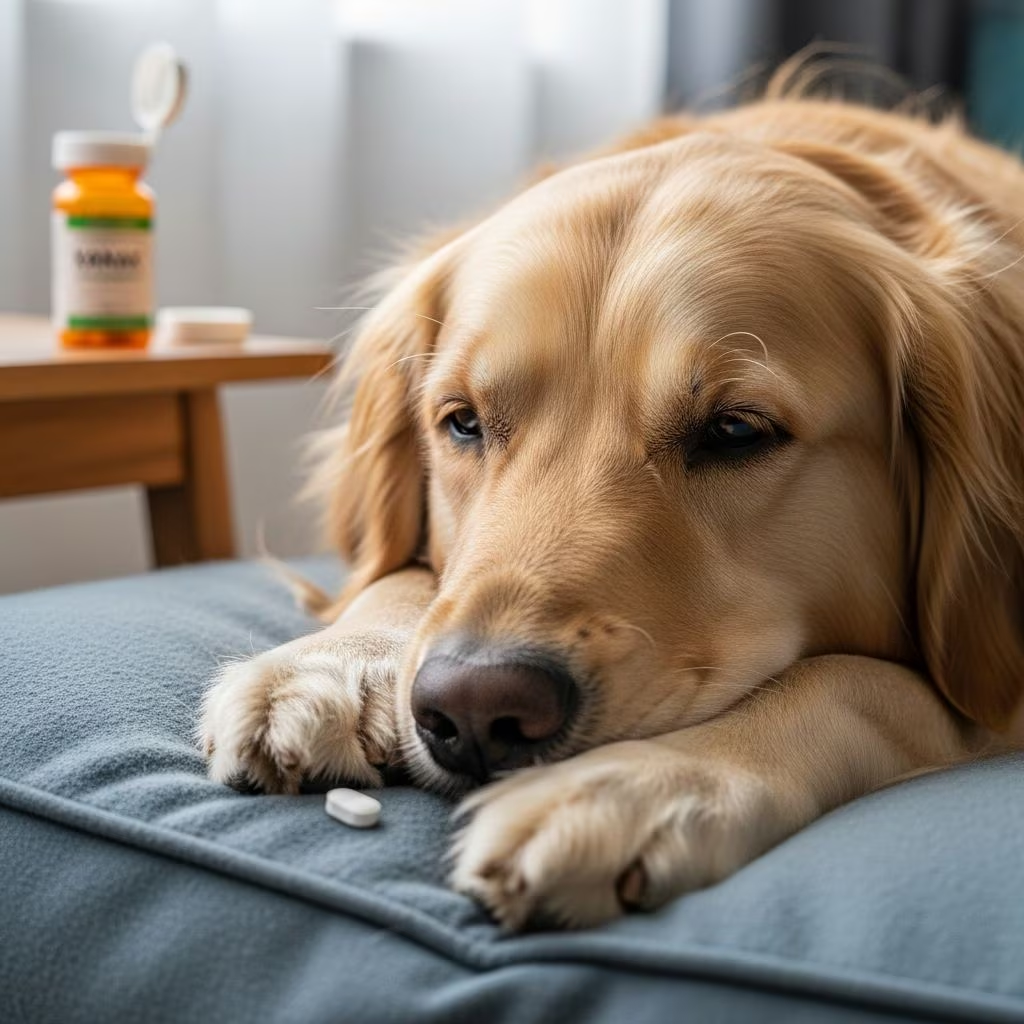
Alprazolam, commonly known as Xanax, serves as a prescription medication to help dogs cope with intense anxiety episodes. Veterinarians often recommend it for short-term relief in situations like noise phobias or travel stress, enhancing the brain’s calming signals through GABA enhancement.
Understanding Canine Anxiety and Xanax’s Role
Dogs experience anxiety from various triggers, including loud noises, being left alone, or vet visits. Unlike humans, dogs cannot verbalize their distress, often showing it through trembling, pacing, or destructive behavior. Xanax works by boosting gamma-aminobutyric acid (GABA), a neurotransmitter that inhibits overactive nerve signals, leading to relaxation without fully sedating the animal in most cases.
This benzodiazepine class drug provides rapid onset, typically within 30-60 minutes, making it ideal for predictable stressors like fireworks. However, it is not a standalone cure; it pairs best with behavioral training and environmental adjustments for lasting results.
Common Scenarios Where Xanax Benefits Dogs
- Storm and Firework Phobias: Administer 30-60 minutes prior to promote calm during thunder or explosions.
- Separation Anxiety: Helps reduce panic when owners leave, preventing destructive chewing or excessive barking.
- Travel and Vet Visit Stress: Eases motion sickness-related fear or handling aversion.
- Generalized Nervousness: Useful for situational unease in new environments.
For chronic cases, vets might use it as a bridge while slower-acting medications build up efficacy.
Veterinary Dosage Recommendations
Dosage varies by dog size, health, and anxiety severity. General guidelines from vets include 0.01-0.1 mg per pound of body weight, given orally every 6-12 hours as needed, but never exceeding vet instructions.
| Dog Weight (lbs) | Low Dose (mg) | Standard Dose (mg) | Frequency |
|---|---|---|---|
| 10-20 | 0.1-0.2 | 0.25-0.5 | Every 8-12 hrs |
| 20-50 | 0.2-0.5 | 0.5-1.0 | Every 6-12 hrs |
| 50-100 | 0.5-1.0 | 1.0-2.0 | Every 6-12 hrs |
Note: These are illustrative; always follow personalized vet prescriptions to avoid overdose. Smaller breeds metabolize slower, requiring caution.
Potential Side Effects and Monitoring
While effective, Xanax can cause drowsiness, ataxia (wobbly movement), or increased appetite. Rare paradoxical effects include hyperactivity or aggression, especially on first doses—supervise closely.
- Sedation: Most common, aiding calm but potentially interfering with activities.
- Lethargy: Monitor for excessive sleepiness.
- Disinhibition: Uncommon excitement; discontinue if seen.
Pets with liver/kidney issues face prolonged effects due to slower clearance—use cautiously. Track behavior, appetite, and coordination post-dose, noting changes for vet discussions.
Drug Interactions and Contraindications
Xanax interacts with antacids (delaying absorption), certain antifungals, or heart medications—increase toxicity risk. Avoid in pregnant/nursing dogs or those with glaucoma. Combine with other sedatives only under supervision to prevent respiratory depression.
Safe Administration and Discontinuation
Give with or without food; tablets can be hidden in treats. For long-term use (beyond days), taper gradually over 1-2 weeks to prevent withdrawal seizures. Flumazenil reverses overdose in emergencies.
Alternatives to Xanax for Dog Anxiety
Non-drug options include pheromone diffusers, thunder shirts, or CBD supplements. Other meds like trazodone or FDA-approved clomicalm suit chronic cases. Behavior modification—desensitization training—builds resilience long-term.
| Treatment Type | Best For | Pros | Cons |
|---|---|---|---|
| Xanax (Alprazolam) | Acute events | Fast-acting | Risk of tolerance |
| Trazodone | Mild-moderate | Fewer side effects | Slower onset |
| Behavioral Therapy | All types | No meds | Time-intensive |
| Clomicalm | Separation anxiety | FDA-approved | Daily dosing |
When to Consult a Veterinarian
Never self-medicate—Xanax requires a prescription. Seek immediate vet care for severe reactions or if anxiety persists. Annual check-ups assess suitability, especially for seniors.
Frequently Asked Questions (FAQs)
Is Xanax safe for all dogs?
Generally yes under vet supervision, but avoid in those with liver disease, pregnancy, or certain breeds prone to sensitivity.
How quickly does Xanax work in dogs?
Effects start in 30-60 minutes, lasting 4-6 hours.
Can Xanax cause addiction in dogs?
Tolerance can develop with prolonged use; taper off gradually.
What if my dog shows aggression after Xanax?
This paradoxical reaction is rare—stop use and contact vet immediately.
Are there natural alternatives to Xanax?
Yes, like melatonin, L-theanine, or training, but consult vet for efficacy.
Long-Term Anxiety Management Strategies
Beyond meds, create a safe space, maintain exercise routines, and use positive reinforcement. Consistency reduces triggers over time. Professional trainers or veterinary behaviorists offer tailored plans.
Integrating Xanax thoughtfully with lifestyle changes yields best outcomes, improving your dog’s quality of life without reliance on drugs.
References
- Your Complete Guide to Xanax for Dogs — ElleVet Sciences. 2023. https://www.ellevetsciences.com/blog/your-guide-to-xanax-for-dogs/
- Alprazolam (Xanax) for Pets in 2025: Safe Anti-Anxiety Use for Dogs & Cats — Ask A Vet (Dr. Duncan Houston, BVSc). 2025-07-16. https://askavet.com/blogs/news/alprazolam-xanax-for-pets-in-2025-safe-anti-anxiety-use-for-dogs-cats-%F0%9F%90%B6%F0%9F%90%B1%F0%9F%92%8A
- Alprazolam (Xanax) for Dogs & Cats: Dosage, Side Effects & Safety — PetPlace. 2024. https://www.petplace.com/article/drug-library/drug-library/library/alprazolam-xanax-for-dogs-and-cats
- Xanax for Dogs: Everything You Need to Know — Pet Honesty. 2023. https://www.pethonesty.com/blogs/blog/xanax-for-dogs
- Alprazolam — VCA Animal Hospitals. 2024. https://vcahospitals.com/know-your-pet/alprazolam
- 10 Medications for Dog Anxiety — PetMD. 2025. https://www.petmd.com/dog/behavior/10-medications-dog-anxiety
- General Guidelines for using Alprazolam — Oaklawn Animal Hospital. 2021-12. https://oaklawnanimalhospital.com/wp-content/uploads/2021/12/General-Guidelines-for-using-Alprazolam.pdf



