

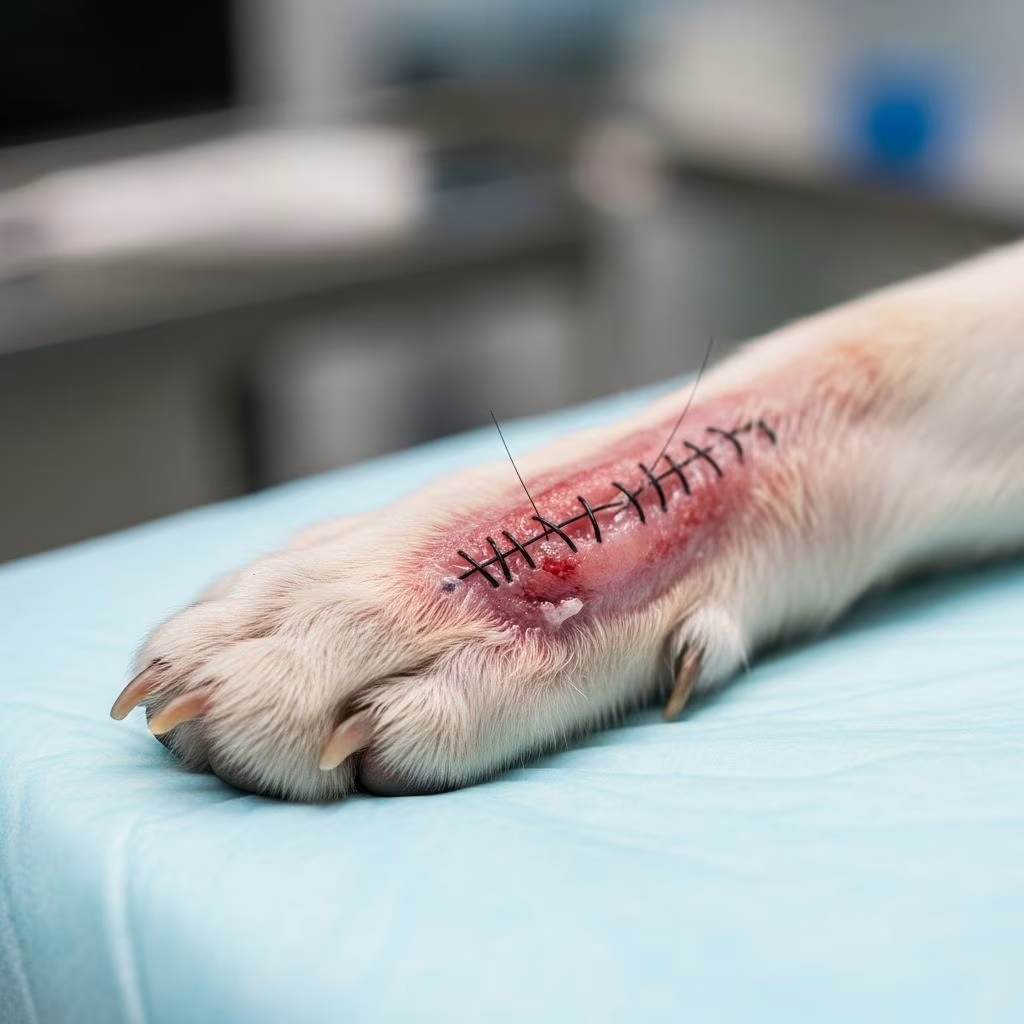
Wound healing in dogs and cats represents a complex biological process that depends on multiple interconnected physiological systems. While the body possesses inherent capacity for tissue repair, numerous circumstances can substantially impede this natural progression. Understanding these impediments is critical for veterinary professionals seeking to optimize patient outcomes and prevent chronic, non-healing wounds that compromise animal welfare and require prolonged treatment protocols.
The Role of Environmental Conditions in Tissue Repair
Environmental factors surrounding a wound site exert profound influence on the rate and quality of tissue healing. Temperature stands as a particularly significant environmental variable that directly affects wound strength development. Research demonstrates that optimal healing conditions occur within a narrow thermal range, with tissue temperature significantly impacting cellular function and metabolic processes essential for repair.
When wound sites are exposed to cooler environments, the tensile strength of forming tissue declines measurably. A reduction in temperature from optimal levels to 12°C produces approximately 20% loss in wound tensile strength, substantially compromising the structural integrity of healing tissue. This temperature sensitivity affects multiple phases of the healing cascade, from initial inflammatory responses through final collagen remodeling.
Mechanical forces operating on wound sites constitute another critical environmental consideration. Pressure applied to healing tissues can restrict blood flow and decrease oxygen delivery to the injured area. When bandaging or external pressures compromise vascular supply, tissue oxygenation falls below levels necessary for optimal cellular function. Shearing forces present an equally problematic mechanical challenge, as these can cause disruption of newly forming blood vessels and tear delicate granulation tissue.
Systemic Oxygen Availability and Vascular Compromise
Adequate oxygen supply remains fundamental to successful wound healing across all phases of tissue repair. The inflammatory response, fibroblast proliferation, collagen synthesis, and epithelialization all depend on sufficient oxygen availability at the wound site. When oxygen levels fall below physiological requirements, protein synthesis diminishes and fibroblast activity declines, resulting in substantially delayed healing timelines.
Several conditions directly compromise oxygen delivery to wounded tissues:
- Hypovolemia: Reduced blood volume decreases overall tissue perfusion and oxygen-carrying capacity
- Devitalized tissue: Non-viable tissue creates zones of oxygen deprivation that prevent normal healing progression
- Hematomas and seromas: Fluid collections create physical barriers to blood flow and limit oxygen diffusion
- Excessive bandaging: Overly tight dressings compromise local circulation and create ischemic conditions
Each of these conditions requires distinct management strategies. Addressing hypovolemia involves fluid therapy and cardiovascular support, while managing hematomas and seromas may require aspiration or drainage procedures. Proper bandaging technique education proves essential for preventing iatrogenic complications from well-intentioned but inappropriately applied dressings.
Nutritional Deficiencies and Systemic Health Status
The nutritional state of an animal fundamentally determines its capacity for tissue healing. Wound repair demands substantial metabolic resources, including amino acids for protein synthesis, minerals for enzymatic function, and vitamins for cellular processes. Animals experiencing malnutrition cannot mount an adequate healing response regardless of local wound management techniques.
Hypoproteinemia, defined as total serum protein concentration below 2 grams per deciliter, directly impairs wound healing by limiting substrate availability for collagen and other structural proteins necessary for tissue repair. Protein deficiency compromises fibroblast function, reduces capillary formation, and delays epithelialization. Interestingly, supplementation with specific amino acids can partially reverse some manifestations of protein-deficiency-related healing delays. Cysteine and dl-methionine, amino acids critical for collagen cross-linking and structural integrity, show particular promise as targeted nutritional interventions.
Beyond general protein availability, specific micronutrient deficiencies create distinct healing complications:
| Nutrient | Function in Healing | Deficiency Consequence |
|---|---|---|
| Vitamin C | Hydroxylation of proline and lysine amino acids | Defective collagen structure and reduced tensile strength |
| Zinc | Epithelial and fibroblastic proliferation | Delayed cellular growth (excess zinc paradoxically inhibits macrophage function) |
| Protein | Structural framework and enzymatic function | Reduced fibroblast activity and impaired angiogenesis |
Internal Disease States That Compromise Healing
Systemic diseases and metabolic abnormalities present significant obstacles to effective wound repair. Anemia reduces the oxygen-carrying capacity of blood, creating relative tissue hypoxia even when vascular supply remains adequate. Animals with concurrent infections, organ dysfunction, or metabolic disorders face substantially longer healing timelines and increased risk of wound complications.
Uremia, occurring in animals with renal disease, produces multiple deleterious effects on wound healing. This condition slows granulation tissue formation and compromises collagen quality by inducing synthesis of structurally inferior collagen molecules. Obesity contributes to poor outcomes through decreased blood supply to fatty tissues and reduced suture holding capacity in subcutaneous layers, increasing risks of dehiscence and infection.
Body condition status significantly influences healing capacity. Lean animals with adequate muscle mass and normal adipose tissue distribution demonstrate superior healing compared to obese animals or those in negative energy balance. Large wounds place animals into catabolic states, requiring increased caloric and protein intake to maintain healing capacity.
Pharmacological Agents That Impair Tissue Repair
Numerous medications, despite their therapeutic benefits for primary conditions, produce secondary effects that substantially compromise wound healing. Understanding these interactions allows veterinarians to weigh treatment risks and benefits appropriately.
Corticosteroids represent the most commonly implicated pharmaceutical barrier to wound healing. These agents markedly inhibit multiple essential healing processes: they suppress capillary budding, reduce fibroblast proliferation rates, and slow epithelialization. Animals requiring corticosteroid therapy for immune-mediated or inflammatory conditions face challenging therapeutic trade-offs between disease control and wound healing impairment.
Vitamin E, while often promoted as an antioxidant supplement, paradoxically slows collagen production and delays healing when present in high concentrations. This counterintuitive effect means that excessive vitamin E supplementation should be avoided in animals with active wounds or recent surgical incisions.
Nonsteroidal anti-inflammatory drugs demonstrate inhibitory effects on wound healing, as documented in both human and veterinary medicine. While these agents provide valuable pain control and reduce inflammation, their use in animals with acute wounds requires careful consideration of timing and duration.
Chemotherapeutic agents present particularly challenging scenarios. Alkylating agents such as cyclophosphamide and melphalan produce direct cytotoxic effects that inhibit cellular proliferation essential for healing. Animals undergoing cancer treatment may experience substantially delayed wound healing if surgical procedures or traumatic injuries occur during or shortly after chemotherapy administration.
External Agents and Environmental Exposures
Exogenous chemical exposures can substantially alter wound healing trajectories. Radiation therapy, while necessary for cancer treatment, damages not only tumor cells but also dermal fibroblasts and capillaries essential for healing. Wounds in previously irradiated areas demonstrate chronically impaired healing capacity due to permanent vascular and cellular changes.
Antiseptic and antimicrobial agents require careful concentration management. While appropriate antimicrobial therapy prevents infection-related complications, excessively concentrated antiseptics damage healthy tissue and impair healing. Veterinarians must balance infection prevention against direct cellular toxicity when selecting wound cleansing protocols.
Tissue Viability and Wound Contamination
The presence of devitalized tissue, dirt, foreign material, and necrotic debris profoundly impacts healing progression. These materials trigger intense inflammatory responses that prolong the inflammatory phase and delay transition to the proliferative phase essential for tissue repair. Foreign material acts as ongoing irritant, perpetuating immune activation and preventing normal healing progression.
Proper debridement becomes essential when wound management involves necrotic or devitalized tissue. Complete removal of non-viable tissue eliminates ongoing inflammatory stimulation and allows transition to normal healing phases. Surgical debridement, enzymatic debridement, and autolytic debridement each offer distinct advantages depending on wound characteristics and clinical context.
Hematoma and Seroma Management
Fluid collections within or beneath wounds create multiple complications. Hematomas and seromas physically separate wound edges, preventing tissue contact necessary for primary healing. These collections provide bacterial growth media and create hypoxic zones that impair fibroblast function. Tension from expanding fluid collections can compromise local blood supply and restrict oxygen diffusion to surrounding tissues.
Management of hematomas and seromas may include sterile aspiration, drainage catheter placement, or compression bandaging. The decision regarding intervention depends on collection size, location, and risk of infection or pressure-related tissue damage. Small collections may resorb spontaneously with appropriate pressure application, while larger collections typically require drainage to optimize healing.
Frequently Asked Questions About Wound Healing Complications
How does temperature specifically affect wound healing rates?
Temperature influences enzymatic reactions, metabolic activity, and vascular function essential for healing. Optimal conditions occur at approximately 30°C, where cellular processes function most efficiently. Temperature reductions to 12°C produce measurable 20% decrements in wound tensile strength, demonstrating the dramatic impact of environmental temperature on tissue repair quality.
Can nutritional supplements reverse delayed healing?
Targeted amino acid supplementation, particularly with cysteine and dl-methionine, can partially reverse protein-deficiency-related healing delays. However, supplementation cannot overcome severe malnutrition or systemic disease without addressing underlying nutritional inadequacy and health conditions.
What bandaging pressure prevents oxygen compromise?
Proper bandaging should maintain gentle compression without occluding blood flow. Bandages should allow circulation checks (ability to slide finger beneath padding) and should not produce skin blanching or coolness indicating vascular compromise.
Which animals face highest healing complication risks?
Obese animals, those with concurrent diseases, malnourished patients, animals requiring corticosteroid therapy, and geriatric individuals demonstrate elevated risks of healing complications due to reduced physiological reserve and impaired healing capacity.
Clinical Implications and Management Strategies
Successful wound management requires identification and mitigation of factors impairing healing. Comprehensive assessment should evaluate environmental conditions, nutritional status, medication interactions, and systemic health. Addressing remediable factors—such as improving nutrition, optimizing bandaging technique, managing fluid collections, and adjusting medications when possible—substantially improves healing outcomes.
Monitoring wound progression allows early identification of delayed healing requiring intervention. Wounds failing to progress through normal inflammatory and proliferative phases within expected timeframes warrant investigation for underlying complications. Advanced wound care products and techniques may become necessary for wounds arrested in inflammatory phases despite conventional management.
Prevention remains superior to treatment. Careful surgical technique, appropriate pain management, proper bandaging, and support of systemic health during wound healing phases prevent many complications. Veterinarians who understand factors impairing healing can optimize patient management and achieve superior outcomes in wound care.
References
- Factors that Interfere with Wound Healing in Small Animals — Merck & Co., Inc. 2026. https://www.msdvetmanual.com/emergency-medicine-and-critical-care/wound-management-in-small-animals/factors-that-interfere-with-wound-healing-in-small-animals
- General Principles of Wound Healing in Small Animals — Merck & Co., Inc. 2026. https://www.merckvetmanual.com/emergency-medicine-and-critical-care/wound-management-in-small-animals/general-principles-of-wound-healing-in-small-animals
- Principles of Wound Management and Wound Healing in Animals: A Review — National Center for Biotechnology Information (NCBI). 2016. https://pmc.ncbi.nlm.nih.gov/articles/PMC4663678/
- 2nd Intention Healing in Full-Thickness Skin Wound Management Revisited — MSPCA Angell. https://www.mspca.org/angell_services/2nd-intention-healing-in-full-thickness-skin-wound-management-revisited/
- Wound Healing in Animals: A Review of Physiology and Clinical Application — Wiley Online Library. 2023. https://onlinelibrary.wiley.com/doi/abs/10.1111/vde.13032



