

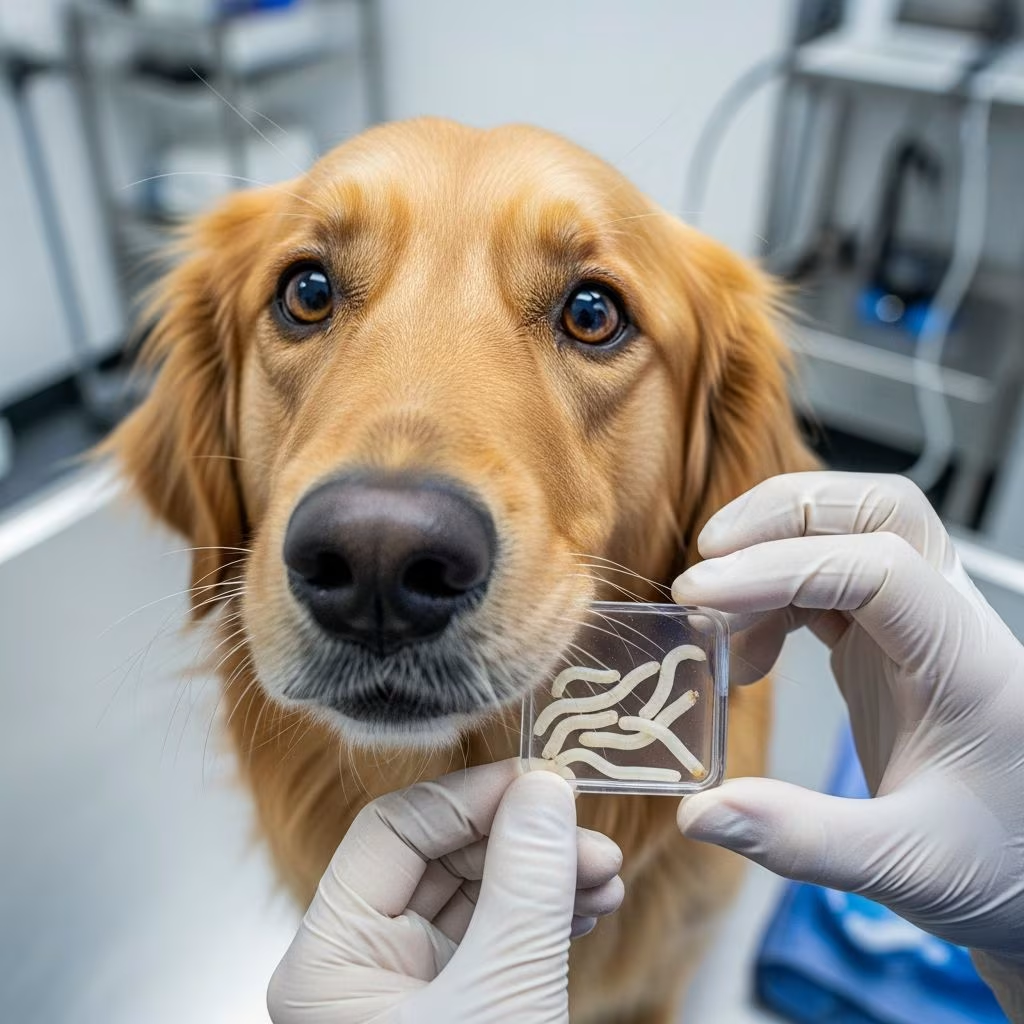
Intestinal worms pose a significant threat to dogs of all ages, particularly puppies, by interfering with nutrient absorption and causing various health issues. Early detection through observable symptoms and prompt veterinary intervention can prevent severe complications like anemia or intestinal blockages.
Recognizing the Signs of Worm Infestations
Dogs infected with intestinal parasites often display noticeable changes in behavior, appearance, and digestion. Owners should monitor for these indicators to seek timely help.
- Diarrhea: Frequent loose stools, sometimes containing blood or mucus, signal irritation from parasites like hookworms or whipworms.
- Vomiting: Regurgitation of food or visible worms points to roundworm presence.
- Weight loss: Despite normal eating, dogs lose mass due to nutrient theft by worms.
- Pot-bellied appearance: Especially common in puppies, caused by gas and worm buildup.
- Lethargy and weakness: Reduced energy from anemia or dehydration.
- Poor coat condition: Dull, rough fur from malnutrition.
- Scooting or anal irritation: Tapeworm segments resemble rice grains near the rear, prompting dragging behaviors.
- Coughing or respiratory issues: Larvae migration in lungs from roundworms.
Some infections remain asymptomatic initially, underscoring the need for routine checkups.
Common Types of Intestinal Parasites in Canines
Dogs face several worm species, each with unique traits, transmission methods, and impacts. Understanding these aids in targeted management.
| Worm Type | Appearance | Transmission | Key Effects |
|---|---|---|---|
| Roundworms | Spaghetti-like, several inches long | Soil, infected prey, maternal milk | Pot belly, vomiting worms, poor growth |
| Tapeworms | Rice-like segments | Fleas, infected rodents | Anal scooting, weight loss |
| Hookworms | Tiny, microscopic | Skin penetration, ingestion | Bloody diarrhea, anemia |
| Whipworms | Whip-shaped | Contaminated soil/ water | Chronic diarrhea, debility |
Roundworms top prevalence lists, especially in young dogs, while hookworms threaten via blood loss.
How Dogs Contract These Parasites
Parasites spread through environmental contamination and direct contact. Eggs or larvae persist in soil, feces, or hosts like fleas.
- Ingestion of contaminated soil, water, or prey harboring eggs.
- Skin contact with larvae in moist environments, common for hookworms.
- Flea ingestion transmitting tapeworms.
- Prenatal or milk transmission from mother to puppies.
Puppies and dogs in multi-pet homes or parks face higher risks.
Diagnosis: Veterinary Steps for Confirmation
Suspected cases require professional evaluation. Vets perform fecal flotation tests to detect eggs under microscopy, as many worms evade naked-eye spotting.
Additional diagnostics include bloodwork for anemia or imaging for blockages. Accurate identification ensures proper dewormer selection, as treatments vary by species.
Treatment Options for Worm Elimination
Veterinary-prescribed medications form the cornerstone of therapy. No reliable home remedies exist; delays worsen outcomes.
- Oral dewormers: Target adults; examples include pyrantel for roundworms, fenbendazole for multiple types.
- Topicals or injectables: For severe cases.
- Follow-ups: Repeat dosing kills hatching eggs, plus fecal rechecks.
Puppies need protocols every 2-3 weeks until 12 weeks, with maternal treatment pre-birth. Emergency signs like bloody stools or collapse demand immediate care.
Prevention Strategies for Long-Term Protection
Proactive measures minimize reinfection risks far better than reactive treatment.
- Monthly preventives: Heartworm meds often cover roundworms/hookworms; add flea control for tapeworms.
- Regular fecal exams: 1-2 yearly, more for at-risk dogs.
- Hygiene practices: Prompt poop removal, avoid raw meat, clean bedding.
- Puppy schedules: Deworm at 2, 4, 6, 8 weeks.
Environmental decontamination involves washing areas with pet-safe disinfectants.
Risks to Puppies and Vulnerable Dogs
Immature immune systems make puppies prone to fatal burdens. Signs include failure to thrive, pale gums from hookworm anemia. Seniors or immunocompromised dogs also suffer amplified effects.
Human Health Concerns: Zoonotic Potential
Certain worms like roundworms (Toxocara) transmit to people via fecal-oral route, risking visceral larva migrans in children. Handwashing post-yardwork and covering sandboxes prevent spread.
FAQs on Managing Worms in Dogs
What if I see worms in my dog’s stool?
Contact your vet immediately for a fecal test and deworming. Do not attempt self-treatment.
Can worms be fatal?
Yes, untreated heavy loads cause blockages, anemia, or pneumonia, especially in pups.
How often should I deworm my dog?
Follow vet advice: puppies frequently, adults via preventives.
Do indoor dogs get worms?
Yes, via fleas, soil tracking, or congenital means.
Is over-the-counter deworming safe?
No; improper use misses types or causes resistance. Vet guidance essential.
Monitoring Your Dog Post-Treatment
Observe for symptom resolution within days to weeks. Schedule follow-up tests to confirm clearance. Maintain preventives to avoid recurrence.
References
- Intestinal Parasites in Dogs — Heartgard. Accessed 2026. https://heartgard.com/intestinal-parasites-in-dogs
- How To Tell if Your Dog Has Worms: Symptoms, Treatment — Spot and Tango. Accessed 2026. https://www.spotandtango.com/blog/how-to-tell-if-your-dog-has-worms
- Gastrointestinal Parasites of Dogs – Dog Owners — Merck Veterinary Manual. Accessed 2026. https://www.merckvetmanual.com/dog-owners/digestive-disorders-of-dogs/gastrointestinal-parasites-of-dogs
- How to Get Rid of Worms in Dogs — PetMD. Accessed 2026. https://www.petmd.com/dog/general-health/evr_dg_intestinal_worms_in_dogs
- How to Get Rid of Worms in Dogs — Pet Vet Care Centers. 2022-03-31. https://www.petvetcarecenters.com/site/blog/2022/03/31/get-rid-dog-worms
- Killing Worms in Dogs Instantly: Emergency Steps — GSVS. Accessed 2026. https://gsvs.org/blog/emergency-worm-treatment-guide/



