

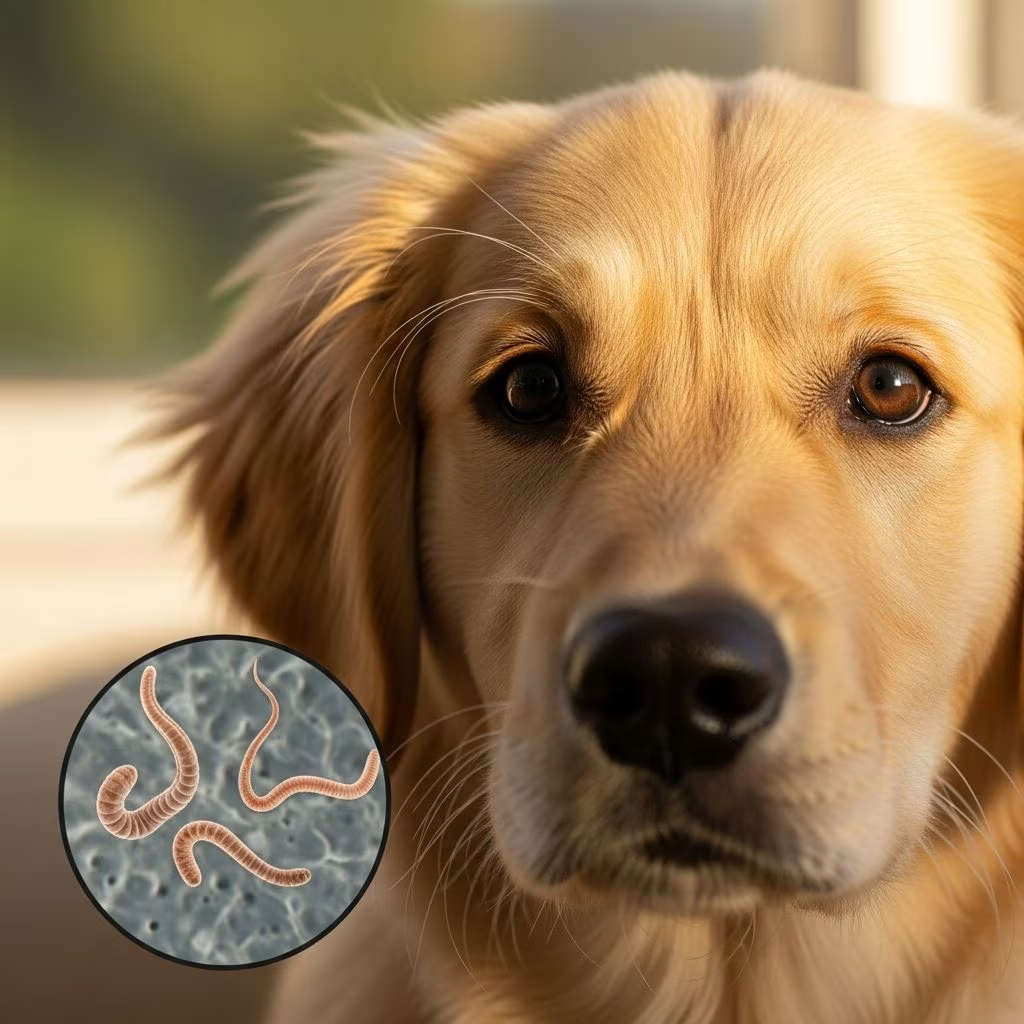
Intestinal worms are common parasites that affect dogs of all ages, particularly puppies. These parasites can lead to serious health issues if left untreated, including malnutrition, anemia, and even death in severe cases. Early detection through symptoms like a pot-bellied appearance, diarrhea, and scooting is crucial for effective management.
What Are Worms in Dogs?
Worms in dogs refer to intestinal parasites that live in the gastrointestinal tract, feeding off nutrients and causing damage. Common types include roundworms, hookworms, whipworms, and tapeworms. Puppies are especially vulnerable as they can acquire worms from their mother during nursing or through contaminated environments. Adult dogs can also become infected via soil, fleas, or prey. Regular veterinary check-ups and fecal exams are essential for diagnosis.
Types of Worms in Dogs
Dogs can host several types of intestinal worms, each with unique characteristics, transmission methods, and health impacts. Understanding these helps in targeted prevention and treatment.
Roundworms
Roundworms (Toxocara canis or Toxascaris leonina) are the most common intestinal worms in dogs, resembling strands of spaghetti up to 15cm long. They primarily affect puppies, causing poor growth, dehydration, and potentially fatal blockages. Symptoms include pot-bellied swelling, vomiting, diarrhea, and weight loss. Transmission occurs prenatally from mother to puppies or via ingestion of eggs in soil. Humans, especially children, risk toxocariasis from contact with contaminated feces.
Hookworms
Hookworms attach to the intestinal wall, sucking blood and causing severe anemia, particularly in puppies. Signs include pale gums, lethargy, dark tarry stools, and weakness. They enter through the skin, mouth, or placenta, thriving in warm, moist environments. Prompt treatment is vital to prevent blood loss.
Tapeworms
Tapeworms are long, flat worms transmitted via fleas or infected prey. Segments resembling rice grains appear in stool or around the anus, causing itching and scooting. Other symptoms are weight loss and anal licking. Flea control is key to prevention, as larvae develop in fleas.
Whipworms
Whipworms reside in the large intestine, leading to chronic bloody diarrhea, weight loss, and dehydration. Eggs are hardy, surviving in soil for years, making reinfection common. They require specific dewormers given at intervals.
Symptoms of Worms in Dogs
Symptoms vary by worm type but often overlap. Watch for these general signs:
- Pot-bellied or bloated abdomen, especially in puppies
- Weight loss despite normal or increased appetite
- Diarrhea, sometimes bloody or tarry
- Vomiting, possibly with visible worms
- Lethargy and weakness
- Scooting or dragging bottom due to anal irritation
- Pale gums indicating anemia (hookworms)
- Poor coat condition and dehydration
- Visible worms or segments in stool or vomit
- Coughing or pneumonia in severe roundworm cases[10]
Not all infested dogs show obvious symptoms, making routine fecal tests critical.
How Do Dogs Get Worms?
Dogs acquire worms through multiple routes:
- Prenatal/Transplacental: Puppies from infected mothers
- Lactation: Via mother’s milk
- Ingestion: Eggs in contaminated soil, feces, or water
- Skin Penetration: Hookworm larvae through paw pads
- Fleas: Ingesting infected fleas for tapeworms
- Hunting/Scavenging: Eating infected rodents or carcasses
Environmental contamination perpetuates cycles, emphasizing hygiene.
Diagnosis of Worms in Dogs
Veterinarians diagnose via fecal examination, detecting eggs under microscopy. Multiple samples may be needed as shedding is intermittent. Blood tests check for anemia in hookworm cases. Visible segments aid tapeworm identification. Professional diagnosis ensures accurate treatment over self-medication.
Treatment for Worms in Dogs
Treatment involves prescription dewormers (anthelmintics) tailored to the parasite:
| Worm Type | Common Treatments |
|---|---|
| Roundworms & Hookworms | Pyrantel, Fenbendazole; multiple doses |
| Tapeworms | Praziquantel; flea control essential |
| Whipworms | Fenbendazole every 3-4 weeks, then preventive |
Follow vet instructions precisely; over-the-counter options may be ineffective for tapeworms. Supportive care includes fluids for dehydration and nutrition. Puppies start deworming at 2-3 weeks.
Preventing Worms in Dogs
Prevention is more effective than cure:
- Monthly broad-spectrum preventives covering heartworms, intestinal worms, fleas
- Regular fecal exams (2-4 times/year)
- Puppy deworming from 2 weeks, nursing dams treated
- Flea/tick prevention year-round
- Hygiene: Prompt poop pickup, avoid contaminated areas
- Limit hunting/scavenging
Consult vets for lifestyle-specific protocols, like frequent dosing for hunters.
Worms in Puppies
Puppies are highly susceptible, often born infected. Signs include pot-belly, failure to thrive, and severe diarrhea. Start deworming at 2 weeks, repeat every 2 weeks until 8 weeks, then monthly. Monitor nursing mothers[10]. Untreated cases risk death.
Can Humans Get Worms from Dogs?
Yes, zoonotic risk exists, mainly roundworms (Toxocara canis) causing toxocariasis via fecal-oral route. Children are at higher risk from pica or sandbox play. Practice hygiene: handwashing, cover sandboxes, dispose of feces promptly. Cook meat thoroughly.
Frequently Asked Questions (FAQs)
What are the first signs of worms in dogs?
Common early signs include scooting, pot-bellied appearance, diarrhea, vomiting, and weight loss.
Can I treat worms in my dog at home?
Prescription dewormers are safer and more effective; consult a vet for proper diagnosis and treatment.
How often should I deworm my dog?
Puppies every 2 weeks until 8 weeks, then monthly; adults quarterly or monthly with preventives.
Do fleas cause worms in dogs?
Yes, fleas transmit tapeworms when dogs groom and ingest them.
Can worms kill my dog?
Severe infestations, especially in puppies, can cause blockages, anemia, or death.
References
- How to Tell When Your Dog Has Worms — Orting Animal Hospital. 2023. https://ortinganimalhospital.com/blog/how-to-tell-when-your-dog-has-worms/
- Worms in dogs — PDSA. 2024. https://www.pdsa.org.uk/pet-help-and-advice/pet-health-hub/conditions/worms-in-dogs
- How to Get Rid of Worms in Dogs — Animal General. 2022-07-30. https://www.animal-general.com/site/blog/2022/07/30/dog-worms
- Preventing, Identifying and Treating Worms In Dogs — AnCare Veterinary. 2024. https://www.ancarevet.com/services/dogs/parasites/deworming-dogs
- How to Get Rid of Worms in Dogs — PetMD. 2024. https://www.petmd.com/dog/general-health/evr_dg_intestinal_worms_in_dogs
- How to Get Rid of Worms in Dogs — PetVet Care Centers. 2022-03-31. https://www.petvetcarecenters.com/site/blog/2022/03/31/get-rid-dog-worms



