

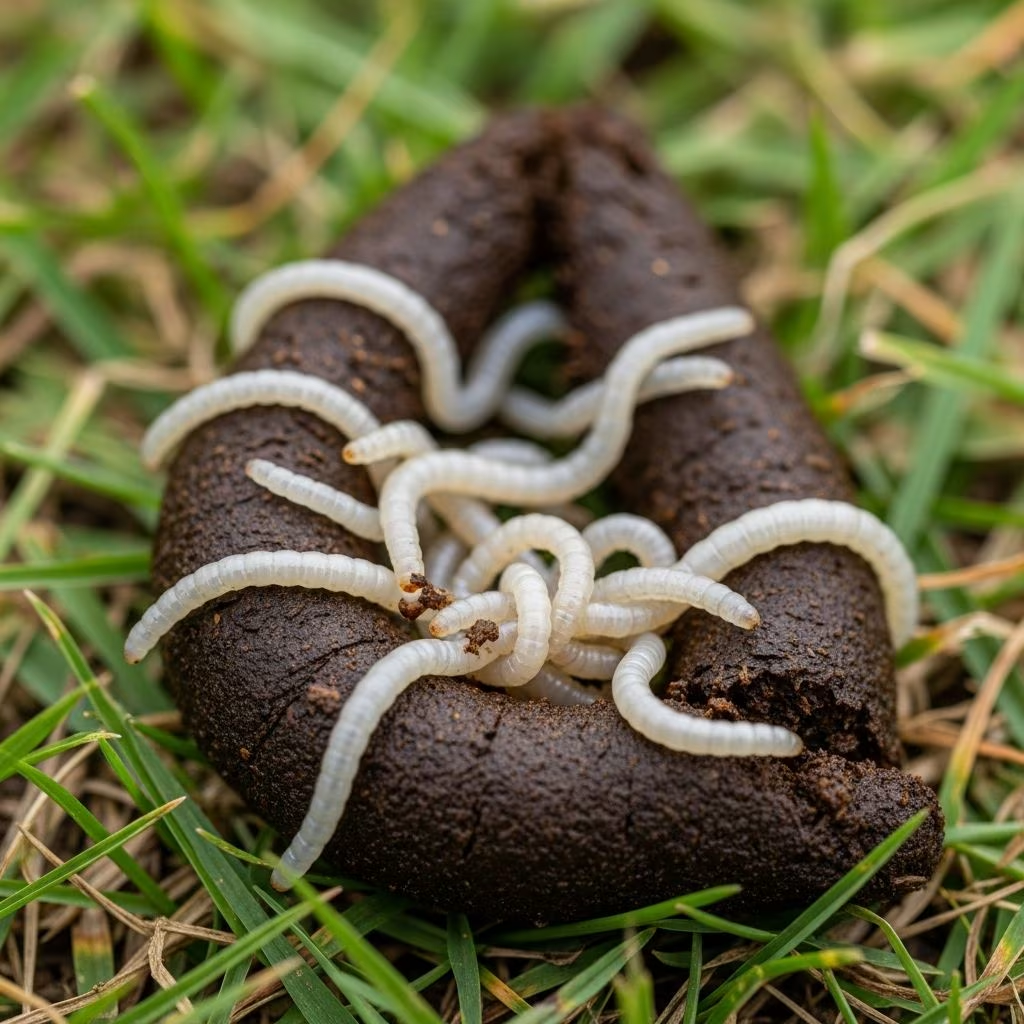
Seeing worms in your dog’s poop can be alarming, but intestinal parasites are common in dogs of all ages. These worms, including roundworms, tapeworms, hookworms, and whipworms, can cause serious health issues if left untreated. Early detection through visible signs in stool or symptoms like diarrhea and weight loss is crucial. This guide covers identification, health risks, diagnosis, treatment options, and proven prevention methods to protect your furry companion.
What Do Worms in Dog Poop Look Like?
Worms in dog poop vary by type, with some visible to the naked eye and others requiring microscopic examination. Recognizing their appearance helps in prompt vet consultation.
- Roundworms: Long, white or light brown strands resembling spaghetti, often 3-5 inches long. Commonly seen in puppies or heavy infestations.
- Tapeworms: Small, white, rice-like segments that may wiggle. These break off and appear in stool, bedding, or around the anus.
- Hookworms: Tiny, thread-like worms rarely visible without magnification. They attach to intestinal walls, causing blood loss.
- Whipworms: Thin, whip-shaped parasites blending into stool. They reside in the large intestine, leading to chronic issues.
Other stool changes signaling worms include mucus, blood, or diarrhea. Not all worms are visible; eggs or larvae often need lab detection.
Types of Worms Dogs Can Get
Dogs face several intestinal parasites, each with unique life cycles and transmission methods. Understanding these aids in targeted prevention.
Roundworms (Toxocara canis, Toxascaris leonina)
The most common, especially in puppies via mother’s milk or prenatal infection. Dogs ingest eggs from contaminated soil or feces. Symptoms include pot-bellied appearance and poor growth.
Tapeworms (Dipylidium caninum, Taenia species)
Transmitted by fleas or infected prey. Segments cause anal itching, leading to scooting. Generally less severe but indicate flea issues.
Hookworms (Ancylostoma caninum, Uncinaria stenocephala)
Penetrate skin or mouth, migrating to intestines. Severe in puppies, causing anemia from blood-feeding.
Whipworms (Trichuris vulpis)
Ingested from soil; cause inflammation and bloody diarrhea. Harder to eradicate, often needing multiple treatments.
Less common include Giardia and Coccidia, protozoans causing watery diarrhea, spread via contaminated water.
Signs Your Dog Has Worms (Even If Not Visible in Poop)
Many infestations lack visible worms, so monitor for these symptoms:
- Diarrhea, often bloody or mucoid
- Vomiting, sometimes with worms
- Weight loss despite good appetite
- Bloated or pot-bellied abdomen, especially puppies
- Scooting or licking rear end
- Pale gums, weakness from anemia (hookworms)
- Coughing if larvae migrate to lungs
- Dull coat, exhaustion
Puppies and young dogs show severe signs faster due to immature immunity.
Health Risks of Worms in Dogs
Untreated worms deprive nutrients, stunt growth, and cause organ damage. Puppies risk death from heavy roundworm loads or hookworm anemia. Adults face chronic weight loss, intestinal blockage, or secondary infections. Zoonotic risks exist: roundworms and hookworms can infect humans, especially children via contaminated soil.
How Will a Vet Diagnose Worms in My Dog?
Veterinarians use these methods:
- Fecal Float Test: Stool sample mixed with solution, centrifuged to float eggs for microscopic ID. Gold standard for most worms.
- Fecal Direct Smear: For Giardia/Coccidia
- Tape Test: For pinworms or tapeworm segments around anus
- Blood Tests: For heartworms or severe anemia
Bring fresh stool (pea-sized, <24 hours old) to the visit. Multiple samples may be needed for intermittent shedders like whipworms.
Treatment for Worms in Dogs
Treatment targets the worm type with dewormers, often in rounds to kill all life stages.
| Worm Type | Common Dewormers | Dosage Schedule |
|---|---|---|
| Roundworms/Hookworms | Pyrantel pamoate, Fenbendazole | 1-2 doses, 2 weeks apart |
| Tapeworms | Praziquantel | Single dose; treat fleas |
| Whipworms | Fenbendazole, Milbemycin | 3-5 days consecutive |
| Broad-Spectrum | Moxidectin, Drontal | Monthly for prevention |
Forms include oral liquids, tablets, topicals, or injections. Support recovery with bland diets high in digestible protein. Re-test stool 2-4 weeks post-treatment.
Preventing Worms in Dogs
Prevention beats treatment:
- Monthly broad-spectrum preventatives (e.g., Heartgard, Sentinel)
- Fecal exams 2-4x/year (puppies 4x)
- Daily poop pickup in yard
- Flea control to block tapeworms
- Avoid raw meat, wild prey; leash walks
- Clean food/water bowls; no shared with cats
Pregnant dogs: deworm pre-breeding and mid-gestation.
FAQs
Can humans get worms from dog poop?
Yes, roundworms and hookworms are zoonotic. Wash hands after handling stool, especially kids playing in yards.
How often should I deworm my dog?
Puppies every 2 weeks until 6 months, then monthly preventatives for life. Adults: per vet based on risk.
Are over-the-counter dewormers safe?
For mild cases, but vet-prescribed are safer and more effective for specific types. Avoid self-treatment.
What if I see worms after deworming?
Reinfection or immature worms; re-test and repeat treatment as advised.
Can puppies get worms from mom?
Yes, prenatally via placenta or milk. Early deworming essential.
References
- Worms in Dog Poop: Signs, Treatment Options, & Prevention — Spot & Tango. 2023. https://www.spotandtango.com/blog/worms-in-dogs-poop
- Worms in Dog Poop: How to Identify & Treat Them — Hill’s Pet Nutrition. 2024. https://www.hillspet.com/dog-care/healthcare/identifying-and-treating-worms-in-dog-poop
- How to Get Rid of Worms in Dogs — PetVet Care Centers. 2022-03-31. https://www.petvetcarecenters.com/site/blog/2022/03/31/get-rid-dog-worms
- Parasites in Dog’s Stool: Signs and Treatments — Wakefield Pet Vet. 2023. https://wakefieldpetvet.com/blog/parasites-in-dogs-stool/
- What to do if you see worms in your dog’s poop — Vetster. 2024. https://vetster.com/en/wellness/what-to-do-if-you-see-worms-in-your-dog-s-poop



