

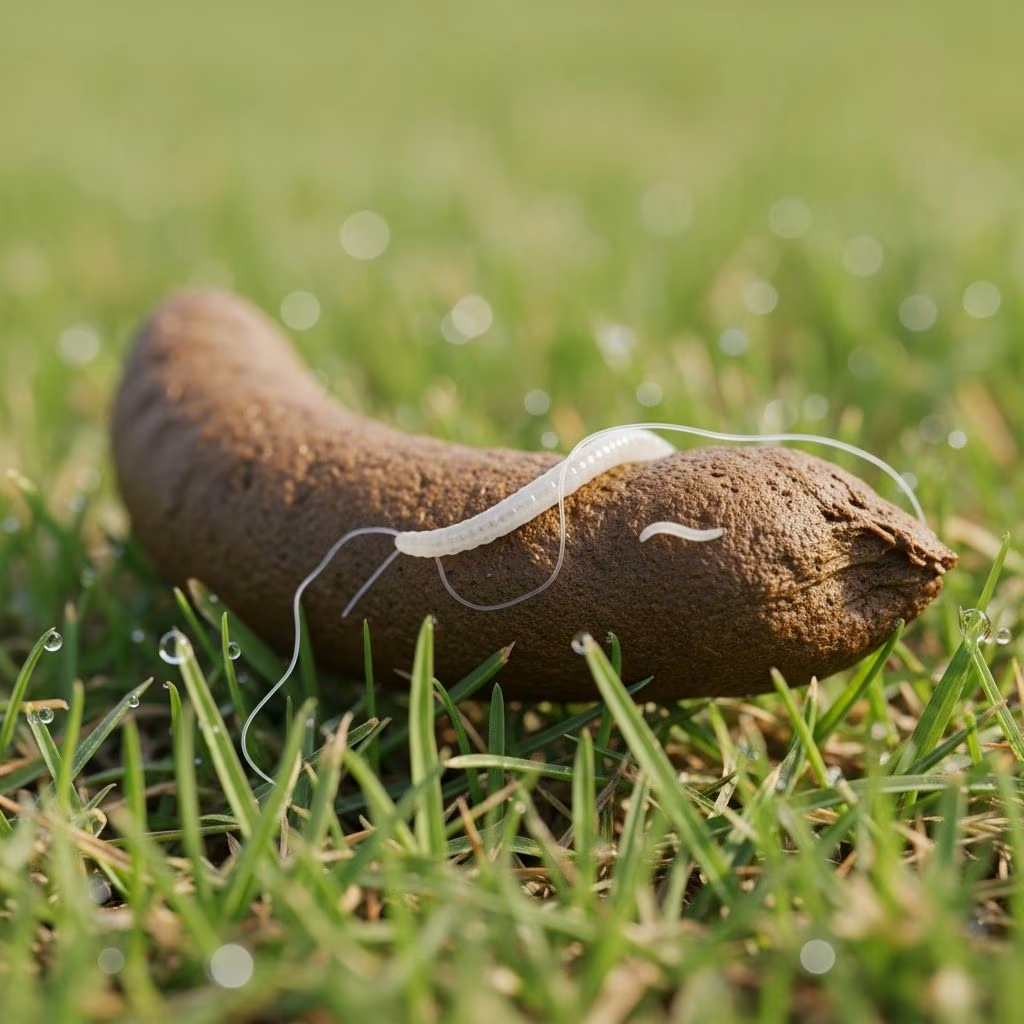
Understanding Worms in Dog Poop: A Complete Pet Parent Guide
Finding worms in your dog’s poop can be alarming for any pet parent, but you’re definitely not alone in this experience. Intestinal parasites are extremely common in dogs of all ages and breeds, affecting millions of pets worldwide. These parasites, including hookworms, roundworms, whipworms, and tapeworms, are highly contagious and can cause a variety of health concerns if left untreated. The good news is that intestinal worms are typically easy to treat when caught early, and understanding how to identify them is the first step toward protecting your furry companion’s health.
Types of Worms Found in Dog Poop
Four main types of intestinal worms commonly affect dogs. Each has distinct characteristics and presents unique challenges for pet parents:
Roundworms
Roundworms are among the most common intestinal parasites in dogs. These parasites look like spaghetti and can grow several inches long, making them frequently visible in dog poop or vomit. Roundworms are particularly dangerous for puppies and can cause serious health complications if not treated promptly. Dogs infected with roundworms may develop a pot-bellied appearance, even when they appear malnourished otherwise.
Hookworms
Hookworms are tiny, thin worms with distinctive hook-like mouth parts that allow them to attach to the intestinal lining. These parasites feed on blood and can cause significant health problems, particularly in puppies and small breed dogs. Hookworm infections are among the most serious types of worm infestations and can lead to anemia if not treated immediately.
Whipworms
Whipworms are thin, thread-like parasites that look like tiny pieces of thread enlarged on one end. These parasites live in the large intestine and colon where they attach to the intestinal wall. Whipworm infections are notoriously difficult to detect, as they don’t always show positive results on standard fecal exams, sometimes requiring multiple tests for accurate diagnosis.
Tapeworms
Tapeworms are flat, segmented worms that often leave visible signs in dog poop or around the anal area. Tapeworm segments appear as small, white, rice-like specks that may be seen in fresh feces or dried segments around your dog’s anus. Dogs typically contract tapeworms through exposure to fleas, making flea control an important prevention strategy.
Recognizing Symptoms of Intestinal Worms
While the most obvious sign of worm infection is seeing worms in your dog’s poop, intestinal parasites can cause numerous other symptoms that pet parents should monitor closely. Understanding these warning signs helps ensure early detection and treatment.
Common Symptoms to Watch For
Dogs with intestinal worm infections may exhibit various symptoms depending on the type and severity of the infection:
- Diarrhea, sometimes containing blood or mucus
- Vomiting or regurgitation
- Weight loss despite a good appetite
- Bloated or pot-bellied abdomen
- Poor coat quality or dull, dry fur
- Loss of appetite or decreased interest in food
- Lethargy and excessive exhaustion
- Pale or discolored gums indicating anemia
- Coughing if worms have invaded the lungs
- General signs of abdominal discomfort or pain
High-Risk Groups
Certain dogs are more susceptible to severe worm infections and complications. Young puppies with developing immune systems, toy and tiny breed dogs, elderly dogs, and dogs with underlying health conditions are all at higher risk for displaying serious symptoms. In severe cases, intestinal worms can cause blockages, severe malnutrition, and life-threatening anemia.
How Worms Are Transmitted to Dogs
Understanding how dogs contract worms is essential for prevention. Most dogs get worms by eating infected feces or consuming raw meat contaminated with parasitic eggs or larvae. Puppies are particularly vulnerable because their immune systems are still developing and they’re more likely to explore their environment by putting things in their mouths. Environmental contamination is a significant factor in puppy infections, as parasite eggs can survive in soil and grass for extended periods.
Dogs can also contract tapeworms through flea infestations, as consuming infected fleas is a common transmission route. Additionally, hunting and consuming infected wild prey animals poses a significant risk for outdoor dogs.
Diagnosis: How Veterinarians Identify Worms
The best way to identify worms in dog poop is to consult your veterinarian with a fresh sample. While you might occasionally see adult worms, most worm infections are diagnosed through professional testing. Most of the time worms go undetected unless you take your dog in for routine checkups and ask your veterinarian specifically to look for microscopic worm eggs.
Fecal Examination Process
Veterinarians typically use a fecal float test to diagnose intestinal parasites. During this procedure, your dog’s poop sample is dissolved in a special solution and spun in a centrifuge to be examined under a microscope. This process allows veterinarians to identify parasite eggs that are invisible to the naked eye. Some parasites, particularly whipworms, may require multiple fecal exams over several weeks to achieve accurate diagnosis.
Testing Frequency Recommendations
The Companion Animal Parasite Council recommends different testing schedules based on your dog’s age. Puppies under one year old should have fecal tests performed four times annually, while adult dogs should be tested at least twice per year. Dogs not on ongoing parasite prevention require more frequent testing. Even dogs on monthly broad-spectrum prevention should have routine fecal testing to ensure the medication is working effectively, as no medication works 100% of the time.
Treatment Options for Intestinal Worms
Fortunately, worms in dog poop are usually easily treated once diagnosed. Your veterinarian will prescribe a dewormer appropriate for the specific type of worm(s) your dog has. Treatment depends on identifying the exact parasite, as different worms respond to different medications.
Deworming Medications
Common dewormers prescribed by veterinarians include:
- Fenbendazole
- Milbemycin
- Praziquantel
- Moxidectin
- Pyrantel pamoate
These medications come in various forms to suit different dogs and preferences, including liquid medications, injections, tablets, topical applications, and flavored chew forms. Your veterinarian will recommend the most appropriate formulation for your specific dog.
Broad-Spectrum Dewormers
Many over-the-counter broad-spectrum dewormers are safe and effective against multiple worm types. However, getting advice from a qualified veterinarian to learn which dewormer to use and the correct dosage for your dog’s weight and age is essential. Broad-spectrum options work against several different parasite types, which is helpful when the exact worm type hasn’t been identified.
Treatment Effectiveness and Follow-Up
Most dogs respond well to dewormer treatment. However, follow-up stool testing is often necessary to confirm treatment success and ensure complete parasite elimination. Your veterinarian will guide you on when to retest and whether additional treatment is needed. This follow-up care is crucial for preventing reinfection and ensuring your dog returns to optimal health.
Prevention Strategies for Long-Term Protection
While treatment is effective, prevention is always preferable to dealing with an active infection. A comprehensive prevention strategy significantly reduces the chances of future worm infections.
Monthly Preventive Medications
In addition to treating active infections, monthly broad-spectrum worm prevention medication is highly recommended for all dogs. These preventive medications work by killing parasites before they can establish infections in your dog’s intestines. Combining monthly preventive medication with routine fecal testing provides comprehensive parasite protection.
Lifestyle and Environmental Measures
Beyond medication, several practical measures help prevent worm infections:
- Pick up dog poop in your yard daily to remove potential sources of reinfection
- Avoid feeding raw diets or raw meat that may contain parasitic cysts
- Prevent your dog from ingesting wild prey animals
- Keep your dog on a leash during walks and teach them to “drop it” to avoid eating contaminated items
- Maintain clean living spaces and regular yard sanitation
- Implement flea control measures, as fleas transmit tapeworms
- Ensure regular veterinary visits for health monitoring
When to Seek Emergency Veterinary Care
While most worm infections can be treated routinely, certain symptoms warrant immediate veterinary attention. You should contact an emergency veterinary clinic right away if your dog shows signs of severe weakness, bloody diarrhea, difficulty breathing, or signs of intestinal blockage. These symptoms may indicate a severe infestation requiring urgent intervention.
Comparison of Common Intestinal Worms in Dogs
| Worm Type | Appearance | Primary Symptoms | Severity | Detection Method |
|---|---|---|---|---|
| Roundworms | Spaghetti-like, several inches long | Pot belly, visible worms, weight loss | Moderate to High | Visible in stool or vomit |
| Hookworms | Tiny, thin with hook-like mouths | Anemia, bloody stools, lethargy | Very High | Fecal float test |
| Whipworms | Thread-like, enlarged at one end | Diarrhea, weight loss, discomfort | Moderate | Fecal float (difficult to detect) |
| Tapeworms | Flat, segmented, rice-like pieces | Rice-like segments in stool | Low to Moderate | Visible segments or fecal test |
Frequently Asked Questions About Worms in Dog Poop
Q: What should I do if I see worms in my dog’s poop?
A: Contact your veterinarian as soon as possible. If possible, collect a fresh stool sample and bring it along with any visible worms you’ve found. Your vet can perform a fecal float test to confirm the infection and prescribe appropriate treatment.
Q: Can worms in dogs be transmitted to humans?
A: Some types of worms, particularly roundworms, can potentially be transmitted to humans through contact with contaminated feces. Practice good hygiene by washing hands thoroughly after handling your dog or cleaning up after them, especially if they have a confirmed worm infection.
Q: How long does it take for dewormer to work?
A: Most dewormers begin working within 24 to 72 hours, though effectiveness varies depending on the medication type and worm species. Your veterinarian will provide specific information about the dewormer prescribed and when to expect results.
Q: How can I prevent my dog from getting worms?
A: Use monthly broad-spectrum worm prevention medication, maintain routine fecal testing, practice good sanitation by picking up poop daily, avoid raw diets, control flea infestations, and prevent your dog from consuming wild prey or contaminated items.
Q: Are over-the-counter dewormers as effective as prescription ones?
A: Many over-the-counter broad-spectrum dewormers are safe and effective. However, consulting with your veterinarian is important to ensure you’re using the right dewormer for your dog’s specific infection and to determine the correct dosage based on your dog’s weight and age.
Q: Can my dog get worms again after treatment?
A: Yes, dogs can become reinfected if exposed to contaminated environments or parasitic sources. This is why ongoing prevention with monthly medication and routine fecal testing is essential for maintaining your dog’s parasite-free status.
Q: What if the fecal test doesn’t show worms but my dog still has symptoms?
A: Some parasites, particularly whipworms, may not show on the first fecal test. Your veterinarian may recommend repeat testing in two to three weeks or may prescribe preventive treatment based on symptoms even without a positive test result.
References
- Worms in Dog Poop: How to Identify & Treat Them — Hill’s Pet Nutrition. 2024. https://www.hillspet.com/dog-care/healthcare/identifying-and-treating-worms-in-dog-poop
- Parasites in Dog’s Stool: Signs and Treatments — Wakefield Pet Veterinary Hospital. 2024. https://wakefieldpetvet.com/blog/parasites-in-dogs-stool/
- What to do if you see worms in your dog’s poop — Vetster. 2024. https://vetster.com/en/wellness/what-to-do-if-you-see-worms-in-your-dog-s-poop
- Worms in Dog Poop: Causes and Treatment — Indian Head Animal Hospital. 2024. https://indianheadanimalhospital.com/blog/worms-in-dog-poop-causes-and-treatment/
- Worms in Dogs: Signs, Symptoms, Treatments — American Kennel Club. 2024. https://www.akc.org/expert-advice/health/worms-in-dogs/
- How to Get Rid of Worms in Dogs — PetMD. 2024. https://www.petmd.com/dog/general-health/evr_dg_intestinal_worms_in_dogs
- Treating intestinal worms in dogs — Blue Cross. 2024. https://www.bluecross.org.uk/advice/dog/health-and-injuries/intestinal-worms-in-dogs



