

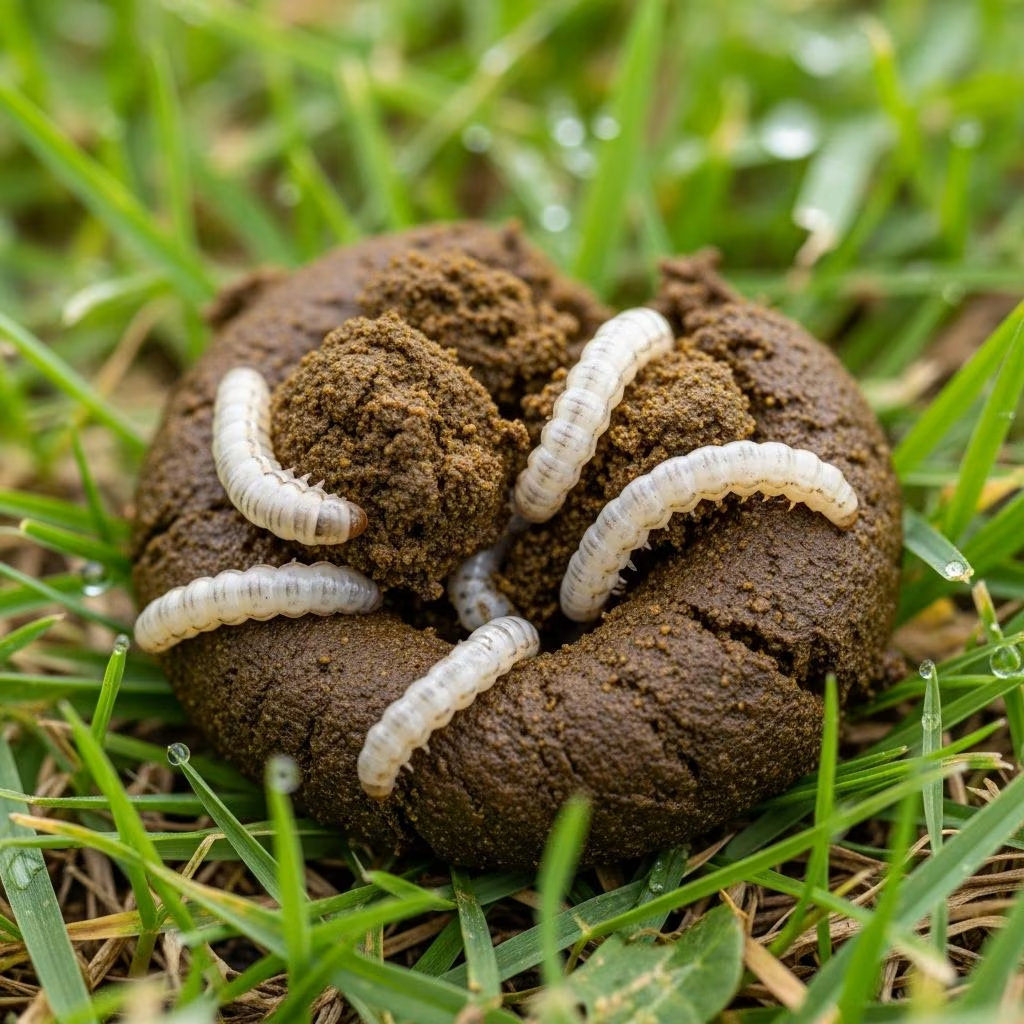
Seeing worms in your dog’s feces can be alarming, but it’s a common issue affecting dogs of all ages. These intestinal parasites, such as roundworms and hookworms, thrive in canine digestive systems and shed eggs or segments visibly in stool. Prompt recognition and action protect your pet’s health and prevent spread to humans or other animals.
Common Types of Intestinal Parasites in Canine Feces
Dogs commonly host several gastrointestinal worms, each with distinct characteristics and transmission methods. Understanding these helps in early detection during routine yard cleanups or vet visits.
- Roundworms: These spaghetti-like worms are the most prevalent in dogs, particularly puppies. They appear as white, wriggling strands up to several inches long in poop or vomit. Eggs contaminate environments like soil or sandboxes, persisting for years.
- Hookworms: Smaller and thread-like, these blood-feeding parasites often cause dark, tarry stools due to internal bleeding. They’re highly dangerous for puppies, leading to anemia.
- Whipworms: Resembling tiny whips, they embed in the large intestine, shedding eggs detectable only via microscopic exam. They provoke chronic diarrhea with mucus or blood.
- Tapeworms: Flat, segmented worms pass rice-like pieces in feces, often acquired via flea ingestion. Less common but visible around the anus.
These parasites obtain nutrients from the host dog, weakening them over time. Puppies and immunocompromised adults face higher risks.
Recognizing Symptoms Beyond Visible Worms
Not all infestations show worms in stool; many dogs appear healthy while shedding microscopic eggs. Watch for these signs prompting a vet check:
- Diarrhea, often bloody or mucoid
- Vomiting with worm segments
- Pot-bellied swelling in puppies
- Weight loss despite normal eating
- Lethargy or poor coat quality
- Pale gums indicating anemia
- Coughing if larvae migrate to lungs
- Failure to gain weight or stunted growth.
Severe cases in young dogs can be fatal without intervention. Routine fecal exams every 6-12 months catch silent infections.
How Dogs Acquire These Parasites
Transmission occurs through multiple routes, emphasizing environmental hygiene.
| Transmission Method | Description | Risk Group |
|---|---|---|
| Ingesting contaminated feces | Dogs sniff or eat poop containing eggs from infected animals | All dogs, especially puppies |
| Maternal transmission | Puppies infected in utero or via nursing milk | Newborn puppies |
| Flea ingestion | Tapeworm larvae in fleas swallowed during grooming | Flea-infested dogs |
| Skin penetration | Hookworm larvae burrow through paw pads in contaminated soil | Outdoor dogs |
| Raw meat or prey | Consuming infected rodents or undercooked meat | Hunting dogs |
Dogs in parks, shelters, or multi-pet homes face elevated exposure. Even indoor dogs aren’t immune via contaminated shoes or fur.
Zoonotic Risks: Canine Worms Affecting Humans
Some dog worms pose zoonotic threats, transferable to people, especially children and gardeners. A gram of infected feces harbors millions of bacteria and eggs, contaminating soil, water, and surfaces.
- Roundworms (Toxocariasis): Eggs ingested via dirty hands or soil lead to larval migration in human tissues, causing fever, cough, or vision issues. Children are prime victims from sandbox play.
- Hookworms: Larvae penetrate skin on bare feet, causing itchy ‘ground itch’ or intestinal issues if swallowed.
Bacteria like Salmonella, E. coli, and Campylobacter in dog poop exacerbate risks, with U.S. dogs producing over 10 million tons annually. Prompt waste removal curbs dissemination via shoes, mowers, or runoff.
Diagnosis: From Home Observation to Vet Confirmation
Visible worms warrant immediate vet contact, but confirmation requires fecal flotation to detect eggs. Symptoms alone don’t specify type, as overlaps exist.
- Collect fresh stool sample in a clean container.
- Observe for worms, color changes, or blood.
- Visit vet for microscopic analysis and bloodwork if anemia suspected.
- Repeat tests post-treatment verify clearance.
Home remedies lack efficacy; professional diagnosis ensures targeted therapy.
Treatment Strategies for Infected Dogs
Vets prescribe dewormers based on parasite type, often broad-spectrum for multiples.
- Oral medications: Fenbendazole or pyrantel pamoate kill adults and larvae.
- Follow-up doses: Two-three weeks apart target hatching eggs.
- Supportive care: Fluids, nutrition for severe cases; flea control for tapeworms.
- Puppy protocols: Frequent deworming from 2 weeks old.
Treatment success nears 100% with compliance, but reinfection looms without prevention.
Prevention: Keeping Parasites at Bay
Year-round prophylaxis trumps reactive treatment.
- Monthly heartworm preventives covering intestinal worms (e.g., those with milbemycin).
- Daily yard scooping; dispose waste securely.
- Flea prevention to block tapeworms.
- Avoid raw diets; cook meats thoroughly.
- Annual fecal tests alongside vaccines.
Pregnant bitches receive prenatal deworming to safeguard litters.
FAQs on Worms in Dog Poop
Q: Are worms in dog poop always visible?
A: No, many infestations shed only microscopic eggs, requiring vet fecal exams.
Q: Can indoor dogs get worms?
A: Yes, via contaminated fur, shoes, or rodents.
Q: How contagious are dog worms to humans?
A: Roundworms and hookworms pose risks, especially to children; hygiene is key.
Q: What if my dog has bloody stool?
A: Seek vet care urgently; could indicate hookworms or whipworms.
Q: Is over-the-counter dewormer safe?
A: Consult a vet first; dosing varies by weight and worm type.
Q: How long do worm eggs survive outdoors?
A: Roundworm eggs can remain viable for years in soil.
Environmental Cleanup and Family Safety
Beyond treatment, sanitize yards: rake soil, use pet-safe disinfectants, restrict children’s play in suspect areas. Handwashing post-dog handling or yard work prevents cross-contamination. Multi-pet homes treat all simultaneously.
Regular vet partnerships ensure tailored protocols. Informed owners minimize recurrence, fostering robust canine health.
References
- Is Pet Waste Harmful to Humans? Diseases From Dog Poop — Pet Butler. 2023. https://www.petbutler.com/diseases-from-dog-poop/
- Worms in Dog Poop: Signs, Treatment Options & Prevention — Hill’s Pet. 2024. https://www.hillspet.co.id/dog-care/healthcare/identifying-and-treating-worms-in-dog-poop
- Risks of Dog Parasites in Humans — Billings Animal Family Hospital. 2023. https://billingsanimalfamilyhospital.com/post/risks-of-fog-parasites-in-humans
- Can Humans Get Worms From Dogs? — Dundee Veterinary Clinic. 2024. https://dundeevetclinic.com/blog/can-humans-get-worms-from-dogs/
- Can Humans Get Worms From Dogs — Boulder Veterinary Hospital. 2023. https://bouldervet.com/blog/can-humans-get-worms-from-dogs/
- What They Are and What To Do If You Find Worms in Your Dog’s Poop — PetMD. 2025. https://www.petmd.com/dog/conditions/digestive/roundworms-in-dogs



