

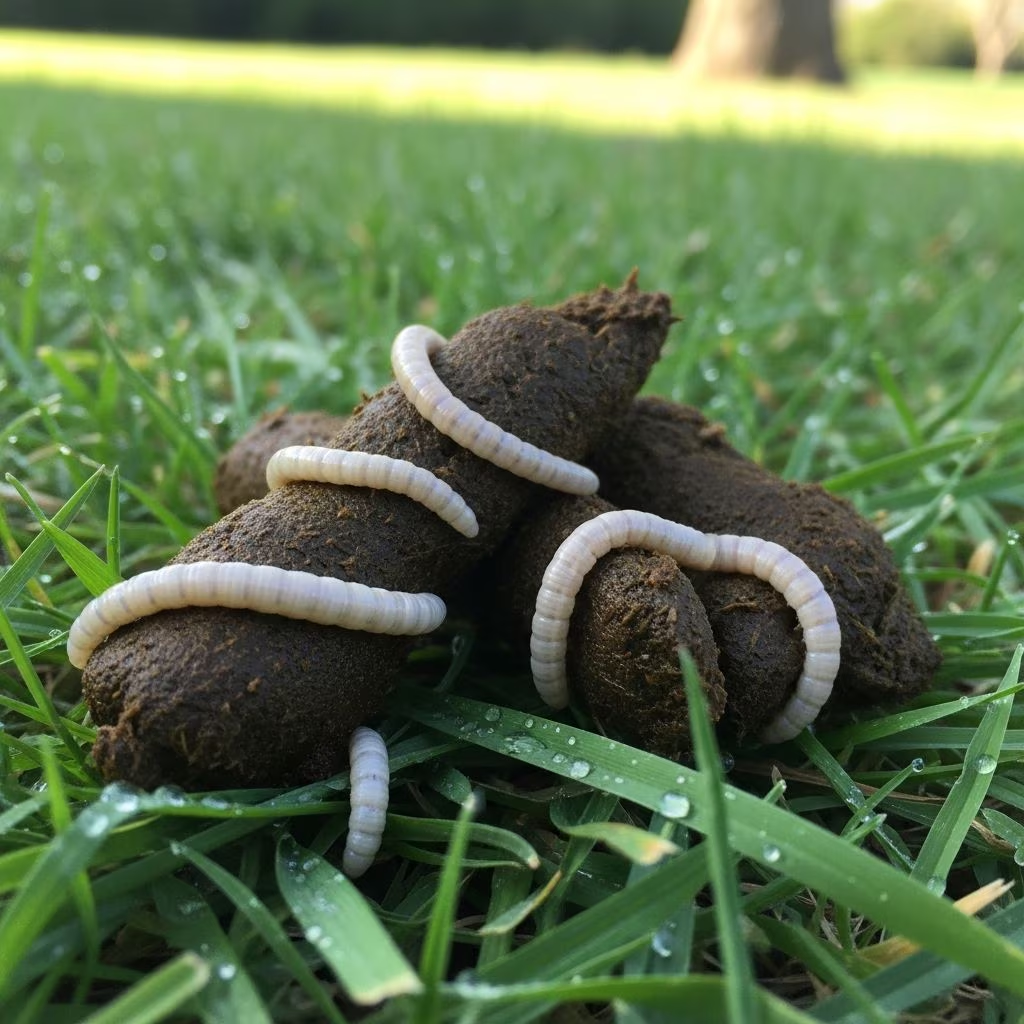
Intestinal parasites represent a frequent health challenge for dogs, often revealed through visible segments or strands in their feces. These infestations can lead to nutrient theft, digestive upset, and severe complications if ignored, affecting dogs of all ages but hitting puppies hardest.
Why Worms Appear in Feces and What They Indicate
When parasites mature in a dog’s gut, they shed eggs, larvae, or body parts that exit via stool. This visibility serves as a direct alert to infection, though many cases remain hidden without such signs. Factors like heavy parasite loads increase the odds of detection, underscoring the need for routine monitoring during walks or yard cleanups.
Key Symptoms Beyond Visible Worms
Dogs with worms often display a range of distress signals before or alongside fecal evidence. Watch for these common indicators:
- Diarrhea: Loose, frequent, or bloody stools signal irritation from hookworms, whipworms, or protozoa like giardia.
- Appetite shifts: Increased hunger from nutrient loss by roundworms or refusal due to nausea from hookworms.
- Weight loss: Despite normal or heightened eating, parasites rob essential calories and vitamins.
- Lethargy and weakness: Anemia from blood-feeding hookworms causes pale gums, low energy, and reduced playfulness.
- Potbellied look: Puppies especially show abdominal swelling from roundworm masses.
- Scooting or anal itching: Tapeworm segments irritate the rear, prompting dragging or licking.
- Poor coat and dehydration: Dull fur and dry skin stem from malnutrition and fluid loss.
These symptoms overlap with other issues, so fecal inspection combined with vet evaluation provides clarity.
Common Types of Intestinal Worms in Dogs
Several parasites target the canine digestive tract, each with distinct traits. Here’s a breakdown:
| Worm Type | Appearance in Stool | Main Effects |
|---|---|---|
| Roundworms | Spaghetti-like strands, 3-5 inches long | Bloating, poor puppy growth, vomiting |
| Tapeworms | Rice grains or flat segments | Anal itching, scooting, mild digestive upset |
| Hookworms | Tiny threads, often invisible | Bloody diarrhea, anemia, weakness |
| Whipworms | Thin with thickened end | Chronic diarrhea, weight loss |
Protozoans like giardia and coccidia, though not true worms, mimic symptoms with greasy or watery stools.
How Dogs Contract These Parasites
Transmission occurs via multiple routes, emphasizing environmental vigilance:
- Fecal-oral route: Ingesting contaminated soil, water, or prey harboring eggs.
- Flea ingestion: Dogs swallow fleas carrying tapeworm larvae during grooming.
- Maternal transfer: Puppies get roundworms through milk or in utero.
- Skin penetration: Hookworm larvae burrow through paw pads in moist areas.
Parks, kennels, and shared spaces heighten exposure risks, particularly for unvaccinated or young dogs.
Diagnosing Worm Infestations Accurately
Veterinarians rely on fecal flotation tests to detect eggs under a microscope, as visible worms confirm but don’t identify all types. Multiple samples may be needed for intermittent shedders like whipworms. Blood work checks anemia in severe cases.
Early detection prevents complications like intestinal blockages or pneumonia from migrating larvae.
Treatment Options for Worm Infections
Dewormers target specific parasites effectively when prescribed by vets:
- Broad-spectrum meds: Fenbendazole or pyrantel for roundworms and hookworms.
- Tapeworm specifics: Praziquantel eliminates segments and adults.
- Follow-ups: Repeat dosing kills newly hatched worms; retesting confirms clearance.
Supportive care addresses dehydration, anemia, or nutrition gaps during recovery.
Prevention Strategies to Keep Worms at Bay
Proactive measures minimize reinfection:
- Monthly preventives: Heartworm meds often cover intestinal worms too.
- Hygiene routines: Prompt poop pickup, flea control, and paw cleaning post-outings.
- Regular vet checkups: Annual fecal exams, especially for at-risk dogs.
- Diet and environment: Cooked food, clean water, and avoiding raw meats.
Puppies need deworming at 2, 4, 6, and 8 weeks, then monthly until 6 months.
Risks of Untreated Parasites in Dogs
Ignored infestations escalate: heavy roundworm loads cause blockages, hookworms trigger fatal anemia in pups, and chronic cases lead to stunted growth or organ damage. Zoonotic risks exist, with roundworm eggs posing human threats, especially to children.
When to Rush to the Vet
Seek immediate care for bloody stools, extreme lethargy, persistent vomiting, or visible heavy worm loads. Puppies showing potbellies or failure to thrive demand urgent attention.
Frequently Asked Questions
Can humans get worms from dog poop?
Yes, roundworms and hookworms can transmit to people via contaminated soil, though good hygiene reduces risks.
How often should I deworm my dog?
Follow vet schedules: puppies frequently, adults via preventives and annual tests.
Do all worms show up in poop?
No, many like hookworms are microscopic; fecal tests are essential.
Can over-the-counter dewormers suffice?
They help mildly but vets recommend prescription for full coverage and safety.
Is scooting always tapeworms?
Often, but anal glands or allergies can mimic; check for rice-like segments.
Long-Term Management for Parasite-Free Dogs
Maintain wellness through balanced nutrition boosting immunity, stress reduction, and community education on cleanup. Track stool changes via a journal to spot trends early. Integrating these habits fosters resilient health.
By staying vigilant, dog owners can thwart parasites effectively, ensuring joyful, active companionship.
References
- Understanding Dog Parasites: 5 Signs To Watch Out For — Central Texas Animal Hospital. 2023. https://centraltexasanimalhospital.com/dog-parasites/understanding-dog-parasites-5-signs-to-watch-out-for/
- Parasites in Dog’s Stool: Signs and Treatments — Wakefield Pet Vet. 2024. https://wakefieldpetvet.com/blog/parasites-in-dogs-stool/
- Signs and Symptoms of Worm Infestation in Pets — La Jolla Vet. 2022. http://www.lajollavet.com/signs-and-symptoms-of-worm-infestation-in-pets.html
- Worms in Dog Poop: What They Mean and How to Treat Them — GoodRx Pet Health. 2025-02-10. https://www.goodrx.com/pet-health/dog/worms-in-dog-poop
- How to Get Rid of Worms in Dogs — PetVet Care Centers. 2022-03-31. https://www.petvetcarecenters.com/site/blog/2022/03/31/get-rid-dog-worms
- 8 Signs That Your Pet Might Have Worms — UrgentVet. 2024. https://urgentvet.com/8-signs-that-your-pet-might-have-worms/
- Worms in Dog Poop: How to Identify & Treat Them — Hill’s Pet Nutrition. 2025. https://www.hillspet.com/dog-care/healthcare/identifying-and-treating-worms-in-dog-poop



