

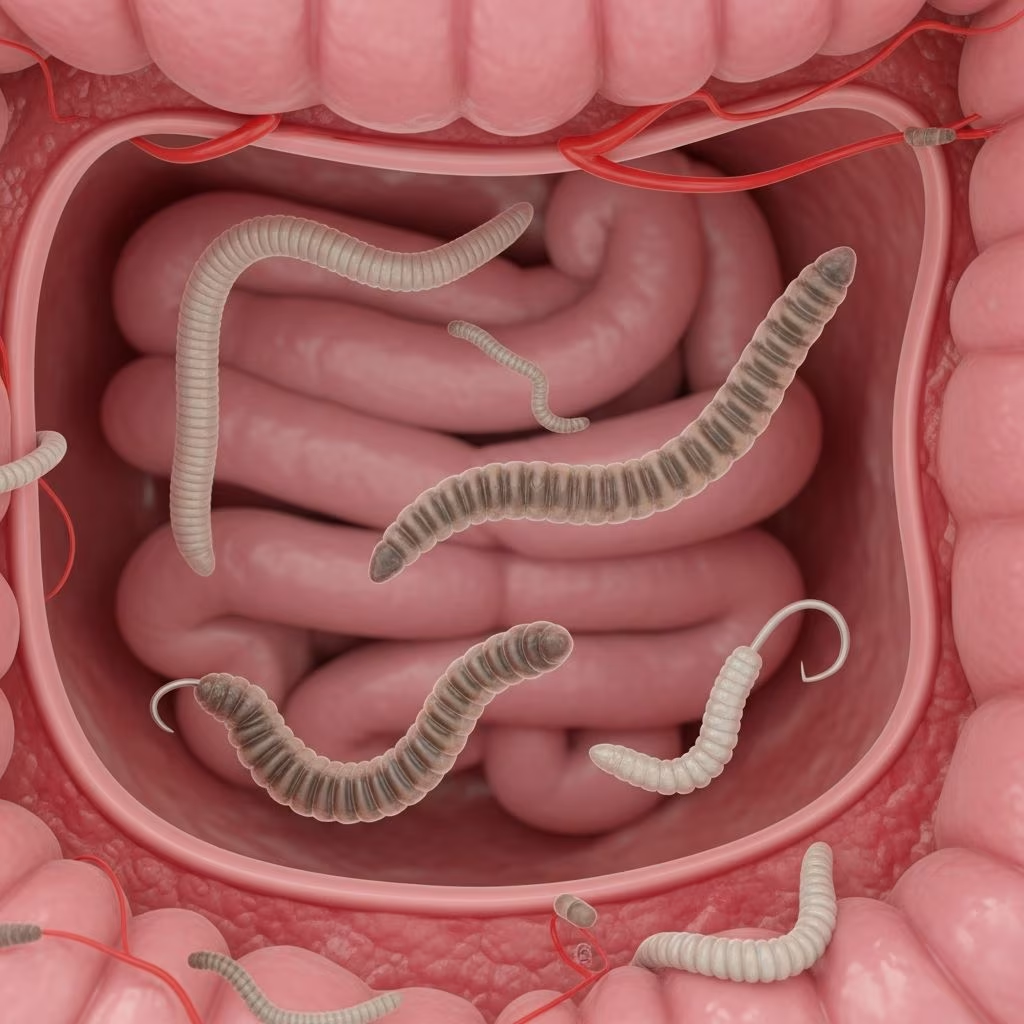
Worms in Cats: A Complete Guide to Prevention and Treatment
Intestinal worms are among the most common parasitic infections affecting cats, particularly kittens under six months of age. These parasites can cause serious health complications if left untreated, ranging from mild gastrointestinal discomfort to life-threatening conditions. Understanding the types of worms that infect cats, recognizing the symptoms, and knowing when to seek veterinary care are essential for every cat owner. This comprehensive guide covers everything you need to know about feline intestinal parasites and how to protect your pet’s health.
Types of Worms That Affect Cats
Cats can be infected by several different types of intestinal worms, each with distinct characteristics and health implications. The most common parasites include roundworms, tapeworms, hookworms, whipworms, and stomach worms. Each type has different transmission methods, symptoms, and treatment protocols that veterinarians must consider when developing a treatment plan.
Roundworms
Roundworms are the most prevalent intestinal parasites affecting cats, with infection rates between 25% to 75% depending on the cat’s environment and age. These worms are particularly dangerous for kittens and can be a significant cause of illness or even death in young felines. Adult roundworms measure three to five inches in length and have a cream-colored appearance. They inhabit the cat’s intestine without attaching to intestinal walls, surviving by consuming food ingested by the host. Roundworms are transmitted through milk-borne or fecal-borne infection from infected mothers to kittens, or through the consumption of intermediate hosts such as rodents, earthworms, or beetles. Female roundworms produce fertile eggs that pass through the cat’s feces, requiring several days to weeks to develop into the infective larval stage. Treatment is typically straightforward and effective, though multiple applications may be necessary to eliminate the infection.
Hookworms
Hookworms represent another significant intestinal parasite affecting cats and kittens. These parasites cause anemia and intestinal distress in infected animals. Kittens contract hookworms through their mother’s milk, feces, or through skin penetration if the mother has the infection. Symptoms of hookworm infection include pale gums due to anemia and general signs of gastrointestinal upset. Hookworms can be particularly stubborn to treat, sometimes requiring longer treatment courses compared to other worm types. However, several effective diagnostic and treatment methods exist to successfully eliminate hookworm infections.
Tapeworms
Tapeworms anchor themselves to the intestines and differ from roundworms and hookworms in their presentation and transmission. One distinctive feature of tapeworm infection is that cat owners may notice white, grain-shaped segments in their cat’s stool or around the anal area. These visible segments are dead adult worms that have been expelled. Tapeworms are often associated with flea infestations, and kittens typically only require tapeworm treatment if they also have fleas. The treatment of tapeworms requires specific deworming medications prescribed by a veterinarian.
Whipworms
Whipworms are another type of intestinal parasite that can affect cats. Infected cats may display weight loss, digestive or intestinal issues, and bloody diarrhea. While less common than roundworms or tapeworms, whipworms still require prompt identification and treatment to prevent complications.
Stomach Worms
Stomach worms are transmitted through the vomit of infected cats and are most commonly found in free-roaming cats or those living in multi-cat households. Symptoms of stomach worm infections include loss of appetite, chronic vomiting, weight loss, and malnutrition, though some infected cats may remain asymptomatic. The good news is that stomach worms are easily treatable with appropriate deworming medications.
Other Parasites
Bladder worms are not commonly detected in cats because they typically produce no clinical signs. Severely infected cats may exhibit urinary tract infection symptoms. Liver flukes typically affect the small intestine, liver, pancreatic duct, and bile duct. These less common parasites still require veterinary attention when diagnosed.
Coccidia
Coccidia is a parasitic infection particularly common in kittens less than six months of age. The most common symptom is diarrhea, though severely affected animals may also vomit, lose their appetites, become dehydrated, and potentially die from the disease. Coccidiosis is highly contagious among young kittens, but effective and safe treatments are available.
Symptoms and Signs of Worms in Cats
The symptoms of intestinal worms in cats can vary significantly depending on the type of parasite, the severity of infection, and the individual cat’s health status. Some cats may experience severe symptoms while others remain asymptomatic. Cat owners should watch for the following signs that may indicate a worm infection.
Gastrointestinal Symptoms
The most common signs of worms in cats relate to gastrointestinal distress. These include vomiting, diarrhea, and soft stools. In some cases, worms may actually be visible in the vomit or stool. Diarrhea may contain mucous or blood, and cats may experience constipation. Some cats develop a bloated or distended abdomen due to worm infection.
Nutritional and Physical Signs
Worm infections deprive cats of essential nutrients, leading to several physical symptoms. These include weight loss despite normal or increased appetite, poor body condition, and a dull hair coat. Cats may also experience loss of appetite, pale gums due to anemia (particularly with hookworm infections), dehydration, and general lack of energy or lethargy.
Behavioral and Other Signs
One distinctive behavioral sign of worm infection is “scooting,” when cats drag their bottoms along the carpet or floor due to anal irritation caused by worms. Cats may also experience coughing or trouble breathing if worms migrate to the lungs, particularly with hookworm or roundworm infections. In severe cases, cats may exhibit visible worms in their stool or around their rear end.
How Cats Contract Worms
Understanding how cats become infected with worms is crucial for prevention. Different parasites have different transmission methods. Some parasites are transmitted from infected mothers to their offspring through milk or feces. Other worms are carried by fleas or mosquitoes, or transmitted via infected eggs shed in feces. Cats may contract roundworms by eating intermediate hosts such as rodents, earthworms, or beetles. Stomach worms are transmitted through contact with the vomit of infected cats. Additionally, cats may have multiple types of worms simultaneously, complicating diagnosis and treatment.
Diagnosis of Feline Worm Infections
Proper diagnosis is essential for effective treatment. Your veterinarian will typically recommend a fecal examination, where a sample of your cat’s stool is analyzed under a microscope to identify parasite eggs or adult worms. Because the lifecycle of each parasite differs, identifying the specific type of worm is important for determining the appropriate medication, treatment protocol, and follow-up care. Your veterinarian will also check for eggs of various worm types, as cats may harbor several different parasites simultaneously. After treatment, another fecal exam is usually necessary to confirm that the worms have been eliminated.
Treatment and Deworming Medications
The primary treatment method for worms in cats involves deworming medication that kills both larvae and adult worms within the intestines. Several treatment options are available, and your veterinarian will determine the best approach based on the specific type of worm infection and your cat’s health status.
Types of Deworming Medications
Roundworms, hookworms, whipworms, and tapeworms are all treatable with oral and topical medications, and sometimes injectable formulations prescribed by veterinarians. Common deworming medications include Panacur and Drontal. Some worms are eliminated with a single treatment dose, while others require multiple dosages administered on a strict schedule over a specific period. For example, kittens are typically treated for roundworms starting at 3-4 weeks of age, then every two weeks until 3 months of age, and monthly until six months of age. The second dose of medication is often used to kill worms that may have hatched after the first dose was administered.
Administration Methods
Your veterinarian may provide deworming medications through various methods, including oral administration, topical applications, or injections, depending on the specific medication and your cat’s condition. Your veterinarian will provide detailed instructions regarding dosage amounts and the schedule for administration. It is crucial to follow these instructions precisely to ensure complete elimination of the parasites.
Additional Support Care
In cases where cats experience symptoms such as vomiting, diarrhea, or reduced appetite, your veterinarian may prescribe gastrointestinal probiotics such as FortiFlora or Proviable to aid digestion and provide immune system support. Some cats may require IV fluids and additional supportive care depending on the severity of their condition. Your veterinarian may also recommend starting your cat on monthly topical or oral flea prevention to prevent future flea-related parasitic infections.
Treatment Duration and Effectiveness
Most intestinal worms in cats are easily resolved with either a single dose of dewormer or a short course of deworming medication. However, certain worms including hookworms and lungworms can be more stubborn, resulting in longer treatment courses. The specific type of worm and the individual cat’s response to treatment determine the overall duration. Cats that are mildly infected with worms can typically recover completely within a few weeks, depending on the parasite type and treatment effectiveness.
Prevention of Worm Infections in Cats
While treatment is effective, prevention is always preferable. Regular deworming schedules are recommended for kittens and adult cats based on their lifestyle and risk factors. Kittens should begin roundworm treatment early, as these parasites are particularly common in young felines. Maintaining regular flea prevention is also important, as fleas can transmit tapeworms to cats. Keep your cat’s environment clean, manage rodent populations around your home, and limit your cat’s exposure to infected animals when possible. Regular veterinary check-ups, including fecal examinations, help identify and treat infections promptly.
Frequently Asked Questions About Worms in Cats
Q: How often should my kitten be dewormed?
A: Kittens should be treated for roundworms starting at 3-4 weeks of age, then every two weeks until 3 months of age, and monthly until six months of age. Adult cats should be treated regularly per product label instructions with a dewormer effective against both roundworms and hookworms.
Q: Can I see worms in my cat’s stool?
A: Yes, you may see worms or worm segments in your cat’s stool or vomit. Roundworms appear as cream-colored strands, while tapeworm segments look like small white grains. However, not all worm infections are visible to the naked eye, and a veterinary fecal exam is the most reliable diagnostic method.
Q: Can humans get worms from cats?
A: Some cat parasites, particularly roundworms, can potentially affect humans. This emphasizes the importance of good hygiene practices when handling cats with worm infections and thoroughly washing hands after contact with infected animals or their litter boxes.
Q: How quickly does deworming medication work?
A: Deworming medications work relatively quickly to eliminate adult worms, but multiple doses are often necessary to kill worms at different life stages. Your veterinarian will provide a specific timeline based on the type of worm and medication prescribed.
Q: What should I do if I suspect my cat has worms?
A: Contact your veterinarian immediately if you notice signs of worm infection such as diarrhea, vomiting, weight loss, or visible worms in your cat’s stool or vomit. Your vet can perform diagnostic tests and prescribe appropriate treatment medications.
Q: Can cats have multiple types of worms at once?
A: Yes, cats can be infected with several different types of worms simultaneously. This is why your veterinarian performs thorough fecal examinations and may recommend broad-spectrum deworming medications to address multiple parasites.
References
- Worms in Kittens: Symptoms & Treatment — Port City Veterinary Hospital. 2024. https://www.portcityvet.com/blog/worms-in-kittens-symptoms-treatment
- Everything You Need to Know About Worms in Cats — Small Door Veterinary. 2024. https://www.smalldoorvet.com/learning-center/medical/worms-in-cats
- Worms in Cats: Symptoms, Treatment, and More — Zoetis Petcare. 2024. https://www.zoetispetcare.com/blog/article/worms-in-cats
- Gastrointestinal Parasites of Cats — Cornell Feline Health Center, Cornell University College of Veterinary Medicine. 2024. https://www.vet.cornell.edu/departments-centers-and-institutes/cornell-feline-health-center/health-information/feline-health-topics/gastrointestinal-parasites-cats
- Cat Worms: Symptoms & Deworming Treatment — Purina US. 2024. https://www.purina.com/articles/cat/health/parasites/worms-in-cats
- Worms in Cats – PetMD — PetMD Editorial. 2024. https://www.petmd.com/cat/conditions/infectious-parasitic/worms-cats



