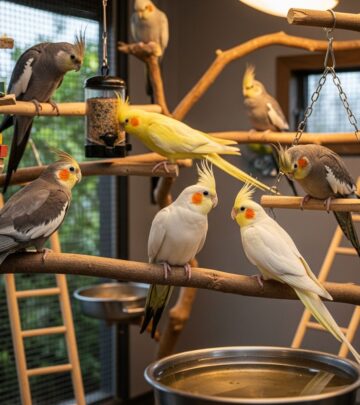
The World of Parrots: Understanding Wild Birds as Pets
Discover why parrots are wild animals, not domesticated pets, and how to provide proper care.
By Julie Castle, Best Friends Animal Society
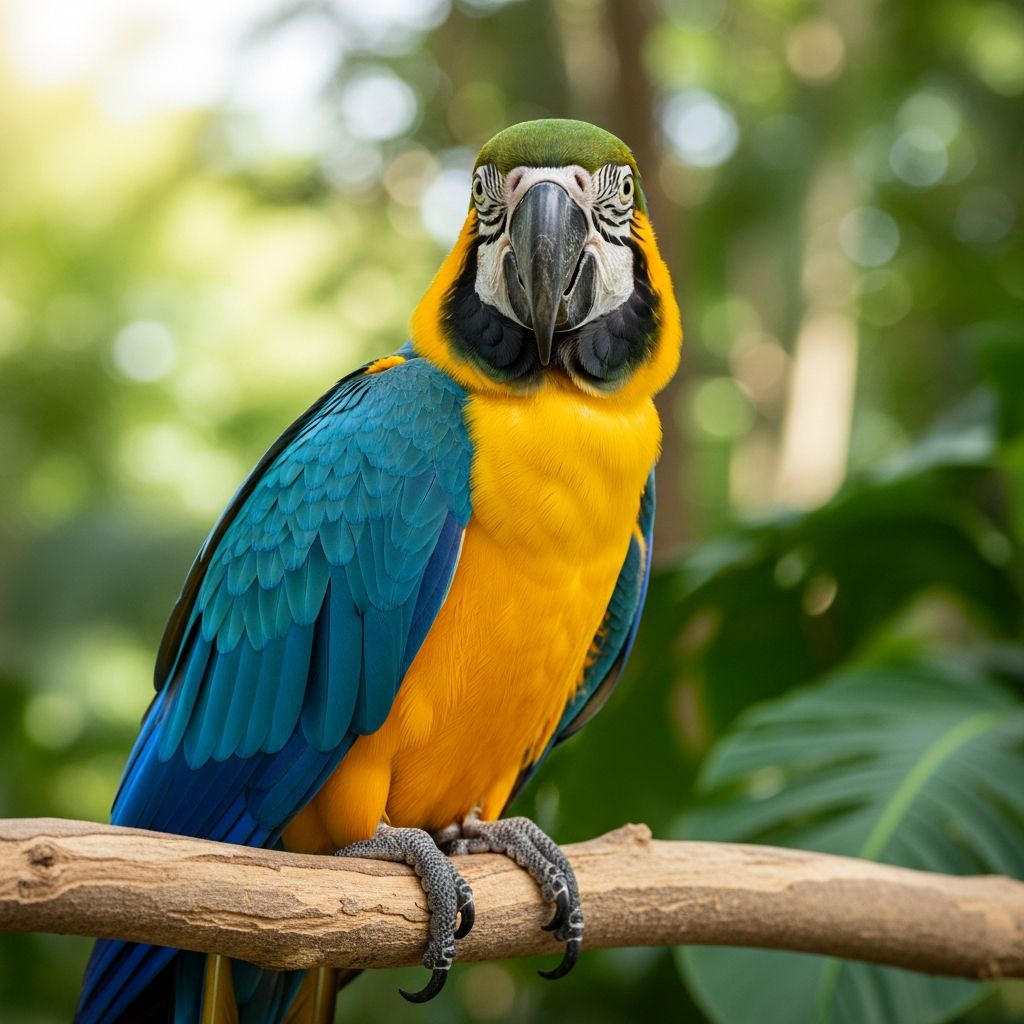
This week, we celebrate Parrot Week at Best Friends Animal Society! The Parrot Garden stands as one of the Sanctuary’s most vibrant and joyous areas. Wolf whistles echo through the space, and you will frequently find caregivers dancing and singing with their feathered charges. There is no room for self-consciousness when entertaining parrots! So if you are planning to visit us, leave your inhibitions at the door—the birds expect you to sing and dance with them!
The Growing Popularity of Captive Parrots
Parrots have become the third most popular companion animal, just behind dogs and cats. The statistics are striking and reveal a significant trend in pet ownership over the past few decades. Experts report that the number of owned parrots, including cockatoos and macaws, has soared dramatically. Populations grew from 11.6 million in 1990 to 40 million in 2006, and to 60 million in 2010—representing a 417 percent increase over just 20 years. Best Friends experts predict there could be as many as 100 million captive parrots by 2020.
With a life expectancy ranging between 20 and 80 years depending on species, it is easy to see how these numbers will continue to grow exponentially. This extended lifespan creates a unique challenge in the pet industry and for animal welfare organizations worldwide. The prolonged commitment required to care for a parrot is often underestimated by potential owners, leading to significant consequences for the birds themselves.
The Reality of Parrot Ownership
Birds come to the Parrot Garden for many different reasons, revealing important truths about pet ownership. While the Parrot Garden used to see many birds with major behavioral issues, recently the facility has been caring for birds who have lived in a single home for decades. This shift highlights a sobering reality: in most situations, a parrot will outlive his human caregivers. It is estimated that most parrots live in seven to 11 homes during their lifetime. Each transition represents emotional trauma and adjustment challenges for these highly intelligent creatures.
The staff at the Parrot Garden has devoted considerable time to understanding these remarkable animals. When we consulted with staff about the things they wished everyone knew about parrots, they compiled a list of five critical insights that every potential parrot owner should understand.
Five Essential Things to Know About Parrots
1. Parrots Are Not Domesticated Animals
One of the most important characteristics of parrots is that they are wild animals, not domesticated companions like dogs or cats. Parrots are only a couple of generations removed from the wild, and as such, they retain all the characteristics of wild birds. In their natural environment, they are loud, destructive, and messy. When placed in your living room, they remain exactly those things—loud, destructive, and messy.
For apartment dwellers, the noise level can be a significant source of friction with neighbors. A friendly dog or cat is typically friendly with all humans, but a parrot will make an instant determination whether a person belongs in their flock or not, and will react accordingly. This means a bird that is wonderful for one person will have absolutely nothing to do with someone else. The selective nature of parrot social bonds creates unique challenges in multi-person households and social situations.
2. Natural Development and Learning
In the wild, a young parrot stays with his parents for up to two years, learning the essential skills needed to survive, mate, and raise young. Studies demonstrate that parrots continue to feed their young long after they have left the nest, providing extended parental guidance and training. A baby parrot who is removed from parental care immediately after hatching never gets the opportunity to learn the skill sets he needs to be a healthy, happy, curious, and confident companion. This deprivation has lasting psychological and behavioral consequences that can persist throughout the bird’s entire life.
Understanding this natural development process is crucial for anyone considering parrot ownership. Hand-raised birds, while often sociable with their primary caregiver, may miss critical developmental stages that shape their overall well-being and behavioral stability.
3. Intelligence Equal to a Young Child
Parrots possess remarkable cognitive abilities. Studies have shown that parrots have intelligence equal to a 5-year-old human child and the emotional development of a 2-year-old. This extraordinary intelligence level means that captive parrots experience boredom, frustration, and psychological stress in ways that many pet owners fail to recognize or address.
4. Environmental Enrichment Is Critical
Due to their high degree of intelligence, it is critical that we supply captive birds with toys and other enrichment activities. In the wild, a bird spends the majority of his day foraging for food, solving problems, exploring his environment, and socializing with other birds. However, when we place birds in a cage and give them all their food in a bowl, we subject them to what amounts to solitary confinement in a small cell with nothing to do. It is no wonder many parrots develop behavior issues.
Fortunately, there are many inexpensive things you can do to improve the life of your feathered companion:
- Rotate toys regularly to maintain novelty and engagement
- Provide foraging opportunities by hiding food throughout the cage
- Create puzzle feeders that require problem-solving
- Offer varied perches of different diameters and materials
- Include natural wood branches for chewing and destruction
- Provide social interaction and training sessions
- Allow out-of-cage time in a safe, supervised environment
- Play music or audiobooks for mental stimulation
The Parrot Garden maintains many resources available to help caregivers, and the internet abounds with enrichment activities tailored to different parrot species and individual preferences. You can also find great pet care tips for your parrot in the Best Friends Resource Library under “You and Your Bird.”
5. The Rewarding Nature of Parrot Companionship
A relationship with a companion bird can be an intensely rewarding experience for those willing to invest the time and effort required. Their intelligence, natural humor, and ability to bond with humans can be truly surprising. Many parrot owners report that their birds have distinct personalities, preferences, and ways of communicating that create deep, meaningful connections.
Understanding Parrot Behavior and Social Needs
Parrots are inherently social creatures with complex emotional lives. They communicate through vocalizations, body language, and behavioral displays. Unlike many other pets, parrots do not automatically accept all humans into their social structure. This selectivity can be a source of frustration for families or individuals who expected a universally friendly pet.
The emotional complexity of parrots means they can suffer from depression, anxiety, and behavioral disorders if their social and environmental needs are not met. Destructive behaviors such as feather plucking and self-mutilation often indicate psychological distress rather than simple boredom. These birds require consistency, routine, and meaningful interaction to thrive in captivity.
The Challenge of Long Lifespan and Multiple Homes
The fact that most parrots live in multiple homes throughout their lifetime presents a significant welfare concern. Each transition involves loss, adaptation, and potential trauma. Birds must adjust to new caregivers, new environments, new routines, and new social dynamics. This instability contradicts their nature as creatures that form strong, long-lasting bonds.
Best Friends Animal Sanctuary addresses this challenge by providing permanent sanctuary care for birds who have outlived their caregivers or who cannot thrive in typical pet homes. The Parrot Garden operates with the understanding that some birds need lifetime care and security that transcends the typical human-pet relationship.
Professional Resources and Support
For those committed to providing excellent parrot care, numerous resources are available. Parrot Kindergarten, an online educational platform launched in 2021 by parrot behavioral expert Jen Cunha, offers a series of five-minute lessons to help human caregivers engage with their parrots in new and rewarding ways. More than 200 parrots are enrolled in this program, which offers both paid and free resources, workshops, and training. The accessibility of this platform reflects a growing recognition that parrot education is essential for improving the lives of captive birds.
Best Friends Animal Society’s Parrot Garden also provides guidance and resources for parrot owners seeking to improve their birds’ quality of life. Staff members work with birds who have behavioral issues and help educate the public about realistic expectations for parrot ownership.
What Makes Parrots Special
Parrots are truly remarkable creatures that deserve recognition and respect. Their intelligence rivals that of primates in many cognitive tasks. They can learn to use tools, recognize themselves in mirrors, understand concepts like color and number, and even demonstrate what appears to be a sense of humor.
Their ability to communicate—both with each other and with humans—sets them apart from most other animals in captivity. A parrot can learn hundreds of words and phrases, and more importantly, many can use language in contextually appropriate ways. They form strong social bonds, demonstrate grief when separated from companions, and show complex social hierarchies and relationships.
These qualities make parrots wonderful companions for the right people, but they also make it critical that we approach parrot ownership with eyes wide open to the realities of living with a wild animal.
Frequently Asked Questions About Parrots
Q: Why do parrots make such good pets if they are wild animals?
A: While parrots can form strong bonds with humans and demonstrate remarkable intelligence and affection, they retain wild animal instincts and characteristics. Their success as companions depends heavily on the commitment and understanding of their caregivers to meet their unique needs.
Q: How long do parrots typically live?
A: Life expectancy varies significantly by species, ranging from 20 to 80 years. This extended lifespan means parrot ownership is a lifelong commitment that should not be entered into lightly.
Q: What should I do if my parrot is showing behavioral problems?
A: Behavioral issues often indicate unmet needs for enrichment, social interaction, or environmental stimulation. Consult resources like Parrot Kindergarten or seek guidance from avian behaviorists. Increasing enrichment activities and structured engagement often helps address these issues.
Q: Can parrots be trained like dogs?
A: Parrots can learn behaviors and respond to training, but their motivation differs from dogs. They are more independent and selective about whom they obey, making training more challenging but also more rewarding when successful.
Q: Is it cruel to keep parrots in captivity?
A: Captive parrots face challenges in meeting their wild instincts and needs. However, with proper enrichment, social interaction, adequate space, and dedicated care, captive parrots can live meaningful lives. The key is understanding that they are wild animals with wild needs.
Q: What is the most important thing I can do for my parrot?
A: Provide environmental enrichment, meaningful social interaction, and a long-term commitment to care. Understanding your parrot as a wild animal with complex needs, rather than a domesticated pet, is fundamental to providing excellent care.
Conclusion: Appreciating Parrots as Wild Beings
We would love the opportunity to introduce people to the winged marvels that populate the Parrot Garden. These remarkable birds deserve our respect, admiration, and, above all, our understanding of what it truly means to live with a wild animal. But remember, leave your inhibitions behind. The birds expect you to sing and dance with them!
Parrots represent one of nature’s most extraordinary achievements in intelligence, communication, and social complexity. Whether you are considering parrot ownership, currently caring for parrots, or simply interested in these fascinating creatures, the most important thing to remember is that they are fundamentally wild beings. Honoring that reality, while providing the best possible care and enrichment, is the path to a rewarding and respectful relationship with these amazing animals.
References
- When parrots go to school: Jen Cunha’s Parrot Kindergarten — Best Friends Animal Society. 2021. https://bestfriends.org/stories/best-friends-magazine/when-parrots-go-school
- Pet Parrot Challenges and Ending the Sale of Parrots — Best Friends Animal Society. https://bestfriends.org/stories/features/pet-parrot-challenges-and-ending-sale-parrots
- The World of Parrots — Julie Castle, Best Friends Animal Society. https://bestfriends.org/stories/julie-castle-blog/world-parrots
Similar Articles






Read full bio of medha deb