

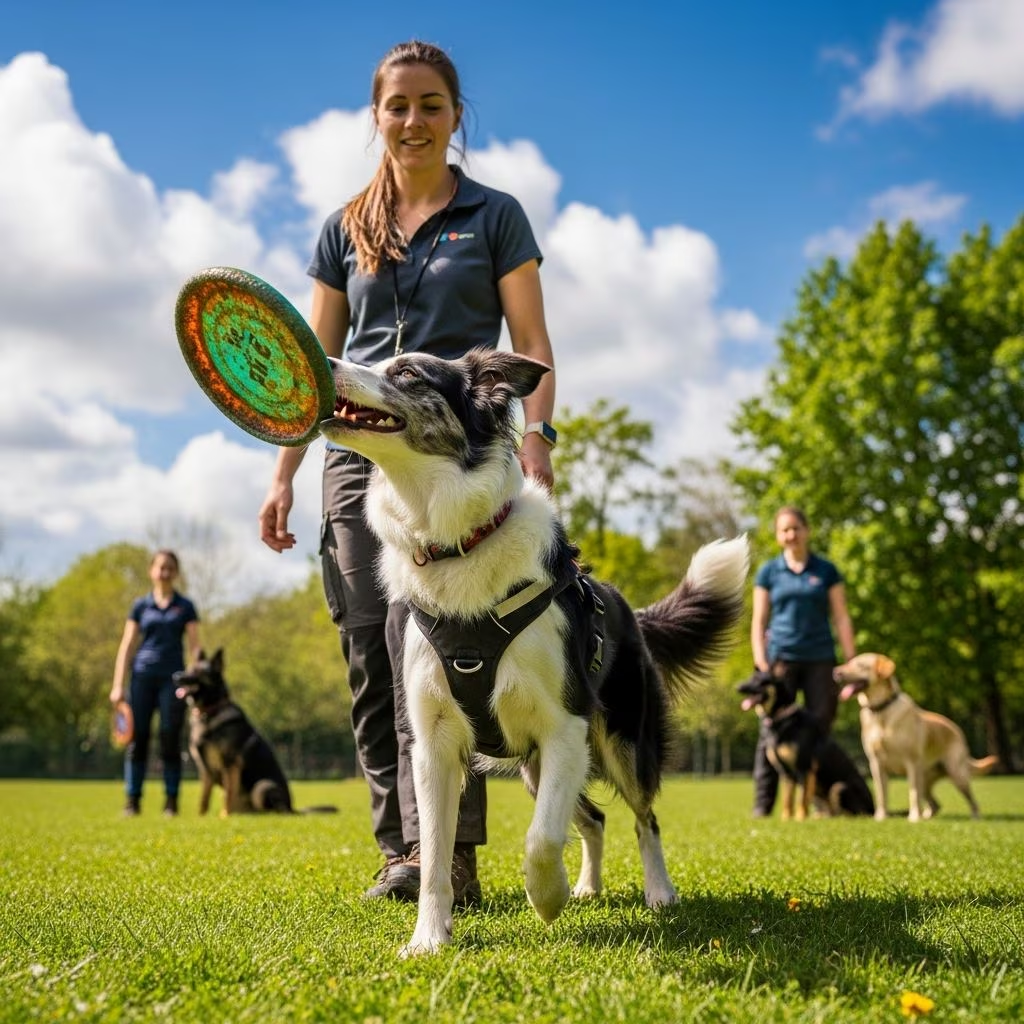
Working dogs perform critical roles in society, from detecting explosives and apprehending suspects to providing emotional support and herding livestock. These highly skilled canines require specialized training that builds on their natural instincts, intelligence, and drive. Unlike pet dogs, working dogs undergo rigorous programs emphasizing obedience, scent detection, protection, and task-specific skills. This guide explores breeds suited for working roles, proven training methods, step-by-step techniques, and real-world applications to help trainers develop reliable partners.
What Are Working Dogs?
Working dogs are breeds selectively bred for jobs demanding physical prowess, mental acuity, and unwavering focus. They excel in fields like law enforcement, military operations, search and rescue (SAR), therapy work, and agriculture. Common characteristics include high energy levels, strong prey drive, and trainability. These dogs thrive on purpose-driven tasks, preventing behavioral issues from understimulation.
- Police and Military K9s: Detect narcotics, explosives, or track suspects. Breeds like German Shepherds and Belgian Malinois dominate due to their versatility and bite strength.
- Search and Rescue Dogs: Locate missing persons in disaster zones or wilderness using air scenting or trailing.
- Therapy and Service Dogs: Offer comfort in hospitals or assist individuals with disabilities, requiring calm temperaments.
- Herding Dogs: Manage livestock with precision eye-stalk and outruns, as seen in Border Collies.
According to veterinary experts, starting training early maximizes success, as puppies absorb commands rapidly through positive reinforcement.
Best Breeds for Working Dogs
Selecting the right breed is foundational. Working roles demand specific traits: endurance for SAR, aggression control for protection, or gentleness for therapy.
| Breed | Primary Role | Key Traits |
|---|---|---|
| German Shepherd | Police, Military, SAR | Intelligent, loyal, versatile; high drive and protection instinct. |
| Belgian Malinois | Police, Military | Athletic, intense work ethic; excels in high-stakes detection. |
| Labrador Retriever | Detection, Therapy, Service | Friendly, scent-focused; stable temperament for public settings. |
| Bloodhound | SAR Trailing | Superior nose (300 million scent receptors); persistent tracker. |
| Border Collie | Herding | Hyper-intelligent, agile; instinctive herding patterns. |
| Golden Retriever | Therapy, Guide Dogs | Calm, empathetic; low aggression for human interaction. |
Science-based selection matches breed genetics to tasks, reducing failure rates. For instance, Malinois’ speed suits urban pursuits, while Labs’ sociability fits therapy.
Core Training Methods for Working Dogs
Effective working dog training prioritizes humane, science-backed approaches. Positive reinforcement dominates, using rewards to shape behaviors, as endorsed by the Association of Professional Dog Trainers.
Positive Reinforcement Training
This reward-based method reinforces desired actions with treats, toys, or praise, eschewing punishment. Dogs repeat behaviors linked to positive outcomes, building enthusiasm and reliability. For working dogs, it’s ideal for complex tasks like scent detection, where food lures guide initial responses.
- Pros: Builds trust, reduces stress, accelerates learning for high-drive breeds.
- Cons: Requires consistent high-value rewards; less effective for extreme distractions without layering.
Studies in applied behavior analysis confirm its efficacy for operant conditioning in working contexts.
Science-Based and Relationship-Based Training
Science-based training draws from ethology and psychology, customizing programs via learning theory. Relationship-based methods focus on emotional bonds, treating dogs like cognitive peers equivalent to a 3-year-old child. Consistent feedback—praise for success, gentle corrections—fosters fun sessions.
Start in low-distraction environments, progressing to real-world scenarios. This mirrors child education, prioritizing enjoyment to avoid stress.
Model-Rival and Classical Conditioning
Model-rival leverages dogs’ social nature: they observe trained peers performing tasks, learning intrinsically without treats. Effective for SAR and herding. Classical conditioning pairs cues (e.g., clickers) with rewards, creating automatic responses like leash excitement. Clicker training marks precise moments, vital for protection work.
Avoid dominance or aversive methods (e.g., e-collars, choke chains), as they damage welfare and performance, per AVSAB guidelines.
Balanced Training Considerations
Some trainers blend positive reinforcement with minimal corrections, but experts favor force-free for working dogs to maintain motivation. Balanced approaches risk fear-based compliance, undermining long-term reliability.
Step-by-Step Training Techniques
Working dog programs span months, integrating obedience, specialization, and proofing.
- Foundation Obedience (8-16 Weeks): Teach sit, stay, recall, heel using luring and shaping. Short, daily sessions (5-10 minutes) with positive reinforcement.
- Scent Detection Imprinting: Pair target odors (e.g., explosives) with rewards. Progress to hides, vehicles. Labs excel here.
- Protection and Apprehension: Build bite work on sleeves for Malinois/Shepherds, emphasizing control and release on command.
- Agility and Endurance: Courses build physicality for SAR; herding introduces stock gradually.
- Proofing and Distraction Training: Test in crowds, noise; model-rival accelerates complex skills.
Consistency and patience are key: practice daily, end on successes.
Training for Specific Working Roles
Police K9 Training
Police dogs master dual detection/protection. Programs last 120-180 days, covering narcotics, patrol. High-drive breeds undergo bite-proofing and criminal apprehension drills.
Search and Rescue (SAR) Training
SAR dogs train in air-scenting (disaster) or trailing (ground scent). Weekly wilderness sessions build stamina; model-rival teaches article finds.
Therapy and Service Dog Training
Emphasize socialization, calm desensitization to wheelchairs/hospitals. Public access tests ensure reliability; Goldens/Labs shine.
Herding Dog Training
Border Collies learn “come bye” (clockwise) and “away” (counter). Start pen work, advance to open fields.
Common Challenges and Solutions
High-drive dogs may overwhelm novices; solution: professional mentorship. Distractions derail progress—use shaping for incremental gains. Fear in therapy roles? Classical conditioning pairs stimuli with rewards.
| Challenge | Solution | Method |
|---|---|---|
| High Energy | Structured exercise + mental tasks | Positive Reinforcement |
| Fear of Noises | Desensitization with treats | Classical Conditioning |
| Poor Recall | Long-line practice + rewards | Shaping |
Frequently Asked Questions (FAQs)
Can any dog become a working dog?
No, genetics play a key role. High-drive breeds succeed best, but temperament testing identifies potentials. Early screening via play drives is essential.
How long does working dog training take?
Basic obedience: 2-3 months; full certification: 6-18 months, depending on role. Consistency shortens timelines.
Is positive reinforcement enough for protection dogs?
Yes, when combined with drive channeling. It produces reliable, non-fearful performers, outperforming aversives.
What equipment is needed?
Clickers, high-value treats, harnesses, scent kits, bite sleeves. Avoid prongs/shocks.
How to choose a trainer?
Seek force-free, experience with working breeds, client testimonials. In-home for custom needs.
Conclusion: Unlocking Your Dog’s Potential
Working dog training transforms breeds into lifesavers through ethical, effective methods. Prioritize positive reinforcement, breed matching, and patience for elite results. With dedication, your canine partner can excel in any role.
References
- Common Dog Training Methods and Their Pros and Cons — Astro Loyalty. 2023. https://www.astroloyalty.com/common-dog-training-methods-and-their-pros-and-cons/
- Training Methods | Positively.com — Positively.com. 2023. https://positively.com/dog-training/article/foundations-training-methods
- Dog Training Methods and Beliefs- What are the differences? — DeMarinis Dog Training. 2023. https://demarinisdogtraining.com/dog-training-methods-and-beliefs-what-are-the-differences/
- 5 Tips for Successful Dog Training — Virginia Tech Vet Med (.edu). 2023-10-01. https://vetmed.vt.edu/news/2023/dog-training-tips.html
- Understanding the Different Methods of Training Dogs — Noel Hoffmann. 2023. https://noelhoffmann.com/understanding-the-different-methods-of-training-dogs/
- Which Dog Training Method is the Best? — Pack Leader Help. 2023. https://www.packleaderhelp.com/post/which-dog-training-method-is-the-best



