

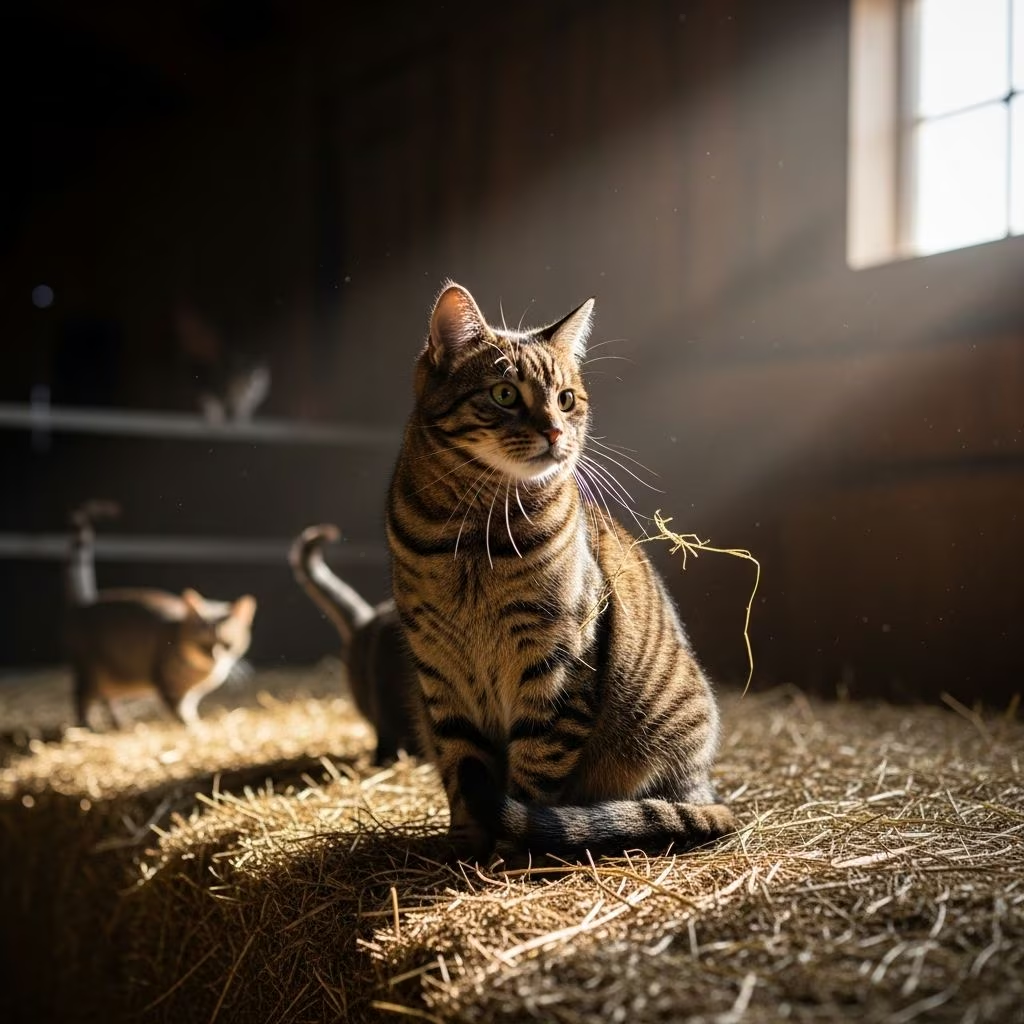
Working Cat Programs: Giving Unadoptable Felines a Home and a Job
Not every cat is suited for life as a traditional indoor pet. Some felines are deeply independent, undersocialized, or prefer minimal human interaction. For decades, these cats faced uncertain futures in shelters. Today, innovative working cat programs across the United States are transforming the lives of these misunderstood animals by placing them in environments where they can thrive on their own terms while providing valuable services to their communities.
Understanding Working Cat Programs
Working cat programs, also known as barn cat programs, represent a progressive approach to animal welfare and adoption. These initiatives recognize that not all cats need to be lap pets to live fulfilling, healthy lives. Instead, they match independent-minded felines with outdoor environments where their natural instincts and independence are assets rather than obstacles.
Unlike traditional cat adoptions, working cat programs place cats not suited for traditional indoor home environments into non-traditional settings where they can live comfortably and purposefully. These settings range from farms and barns to warehouses, breweries, office parks, gardens, churches, and other outdoor or semi-outdoor locations. The cats’ primary responsibility is to serve as natural pest deterrents, using their hunting instincts to control rodent and insect populations.
Who Are Working Cats?
Working cats are a specific subset of felines that have been carefully evaluated by shelter professionals to determine their suitability for outdoor living. These cats typically fall into several categories, including deeply undersocialized animals, former outdoor or indoor-outdoor cats, highly independent and energetic felines, or cats that become extremely stressed when confined indoors. Many are strays who have spent significant time living outdoors and have developed a strong preference for that lifestyle.
The distinguishing characteristic of working cats is their comfort level in outdoor environments and their ability to thrive with minimal human interaction. While they may form bonds with the humans who care for them over time, they typically prefer to keep their distance and do not enjoy being handled or confined. These personality traits make them unsuitable for traditional home environments but perfectly suited for working positions where independence is valued.
How Working Cat Programs Operate
The operation of working cat programs typically follows a structured process designed to ensure success for both the cats and their new environments.
Identification and Selection
Shelter staff carefully evaluate each cat’s history, behavior, and medical status to determine whether they are appropriate candidates for the working cat program. Professionals consider the cat’s socialization level, outdoor experience, and prey drive when making these assessments. Only cats that genuinely thrive in outdoor environments and do not have the temperament to be successful indoor pets are selected for placement.
Medical Preparation
All working cats adopted through established programs come spayed or neutered, vaccinated, microchipped, and treated for common parasites such as fleas. Shelter professionals ensure that working cats do not carry diseases that could pose risks to people, other animals, or the environment. This comprehensive medical preparation protects both the cats and the communities where they will be placed.
Acclimation Period
When a working cat first arrives at its new location, it undergoes a critical acclimation period. During this time, typically lasting two to five weeks, the cat is confined to a crate, large enclosure, or single room within its designated work area. This controlled environment allows the cat to recognize the space as its safe zone and to understand that food, water, and shelter come from this location. Once the cat has acclimated and recognizes the area as home, it is released to roam and establish its territory.
Ongoing Support
Quality working cat programs provide ongoing support and monitoring to adopters. This includes guidance on proper care, periodic welfare checks, and assistance with any issues that arise. Programs emphasize that adopting a working cat is a lifelong commitment, with cats potentially living 15 to 20 years in their positions.
Benefits for Cats
Working cat programs provide tremendous benefits for the felines involved. These initiatives offer cats that might otherwise face euthanasia a chance at meaningful lives in environments where they can express their natural behaviors and instincts. Rather than being confined indoors against their nature, working cats gain the freedom to explore, hunt, patrol, and live according to their preferences.
Participating in a working cat program means these independent felines receive proper care, including regular food, fresh water, shelter, and veterinary attention, while maintaining the autonomy they crave. Many working cats form bonds with the people who care for them over time, creating relationships built on mutual respect rather than forced domestication. For cats that are deeply stressed by indoor confinement, this arrangement represents a dramatically improved quality of life.
Benefits for Adopters and Communities
Businesses, farms, warehouses, and other properties benefit significantly from adopting working cats. These natural pest control specialists provide highly effective rodent and insect management without the need for harsh chemicals or toxic pesticides. The presence of working cats can reduce property damage caused by rodents, decrease health risks associated with pest infestations, and improve overall facility conditions.
For many adopters, working cats also provide unexpected benefits beyond pest control. Staff members often develop affection for their feline colleagues, and the cats’ presence adds personality and warmth to work environments. Some adopters report that working cats help create a more positive workplace atmosphere and contribute to employee satisfaction.
Program Requirements and Adopter Responsibilities
Successfully adopting a working cat requires commitment and responsibility. Potential adopters must meet several key requirements to ensure they can provide appropriate care.
Environmental Requirements
Adopters must provide a warm, secure, and dry space where the working cat can live safely. This might be a barn, garage, shed, warehouse, outbuilding, or stable. The space must offer protection from extreme weather and predators while allowing the cat freedom to patrol and hunt. Most programs require that adopters are located outside city limits where leash laws do not apply, though specific requirements vary by program.
Care Responsibilities
Adopters commit to providing daily food and fresh water throughout the cat’s lifetime. While working cats hunt for sustenance and to fulfill their prey drive, regular feeding ensures they remain healthy and committed to their work. Adopters must also maintain the cat’s shelter, monitor its health and safety, provide veterinary care as needed, and keep the cat microchipped for identification purposes.
Initial Confinement
New adopters must be willing and able to keep the working cat confined during its acclimation period. This typically involves using a crate, large enclosure, or single room for four to five weeks. This step is non-negotiable, as it ensures the cat’s successful transition and prevents the animal from becoming lost or disoriented in unfamiliar territory.
Real-World Success Stories
Working cat programs have facilitated remarkable placements across diverse settings. Successful adoptions have occurred at breweries, auto shops, gift shops, farms, barns, libraries, churches, offices, factories, and artist studios. Many of these working cats have formed genuine bonds with the humans in their environments, developing relationships that extend far beyond the transactional nature of pest control.
These placements demonstrate that independent cats can find fulfilling lives when matched with appropriate environments. What might have been tragic outcomes in traditional shelters have instead become stories of second chances, purposeful living, and mutual benefit between cats and their adopters.
The Importance of Proper Screening
Ethical working cat programs prioritize thorough screening and evaluation to ensure appropriate placements. Shelter professionals take responsibility for assessing not only the cats’ suitability for outdoor living but also considering the needs and safety of communities, other animals, and environmental health. This careful approach prevents inappropriate placements that could result in animal suffering or community problems.
Programs also ensure that only cats without prior successful indoor living experiences are placed in working positions. Cats that might thrive indoors are never included in working cat programs, as doing so would deprive them of their best chance at life.
How to Get Involved
Animal lovers interested in supporting working cat initiatives have several options. Individuals or businesses with appropriate properties can inquire about adopting a working cat through local animal shelters and rescue organizations. Many programs maintain online inquiry forms or contact information for interested parties.
Those without suitable properties can support working cat programs through donations, volunteering, or helping to spread awareness about these valuable initiatives. Many shelters rely on community support to expand their working cat programs and increase the number of independent cats they can successfully place.
Frequently Asked Questions (FAQs)
Q: Are working cats completely feral?
A: Working cats vary in their socialization levels. While many are deeply undersocialized or prefer to keep their distance from humans, some have previous experience with people and may develop bonds with their caretakers over time. All working cats are carefully evaluated to ensure they have prior experience living outdoors or as indoor-outdoor cats.
Q: Do working cats receive veterinary care?
A: Yes. Before adoption, all working cats are spayed or neutered, vaccinated, microchipped, and treated for parasites. Adopters are responsible for ongoing veterinary care as needed throughout the cat’s life, similar to care provided for traditional pets.
Q: How long does the acclimation period last?
A: The acclimation period typically lasts two to five weeks, during which the cat is confined to a crate or enclosed space. Once the cat recognizes the area as home and becomes comfortable, it is released to roam freely.
Q: What if a working cat doesn’t work out?
A: Quality programs provide ongoing support to adopters and can offer guidance if issues arise. In rare cases where a placement is unsuccessful, some programs may assist in finding alternative solutions.
Q: How effective are working cats at pest control?
A: Working cats are highly effective natural pest deterrents. Their hunting instincts and territorial behaviors naturally control rodent and insect populations, often proving more effective than chemical alternatives while being safer for the environment.
Q: Can working cats live indoors after being placed?
A: Working cats are specifically selected for their preference for outdoor living and their tendency to become stressed when confined indoors. These cats should remain in outdoor environments where they thrive.
Q: How long do working cats typically live?
A: Working cats can live 15 to 20 years or longer with proper care. Adopters commit to providing lifelong care for their working cat partners.
References
- Working Cats – A Program for Second Chances — Cheyenne Animal Shelter. 2025. https://www.cheyenneanimalshelter.org/news/what-is-the-working-cat-program
- Working Cats Program — Hillsborough County Pet Resource Center, Florida. 2025. https://hcfl.gov/residents/animals-and-pets/adopt-a-dog-or-cat/working-cats-program
- Working Cat Adoption Program — ACCT Philly. 2025. https://acctphilly.org/workingcats/
- Our Working Cat Program — NOCO Humane. January 14, 2025. https://www.nocohumane.org/blog/our-working-cat-program/
- Working Cat Program — MSPCA-Angell. 2025. https://www.mspca.org/animal_care/barn-cat-program/
- Working Cat Program — Wisconsin Humane Society. 2025. https://www.wihumane.org/working-cats



