

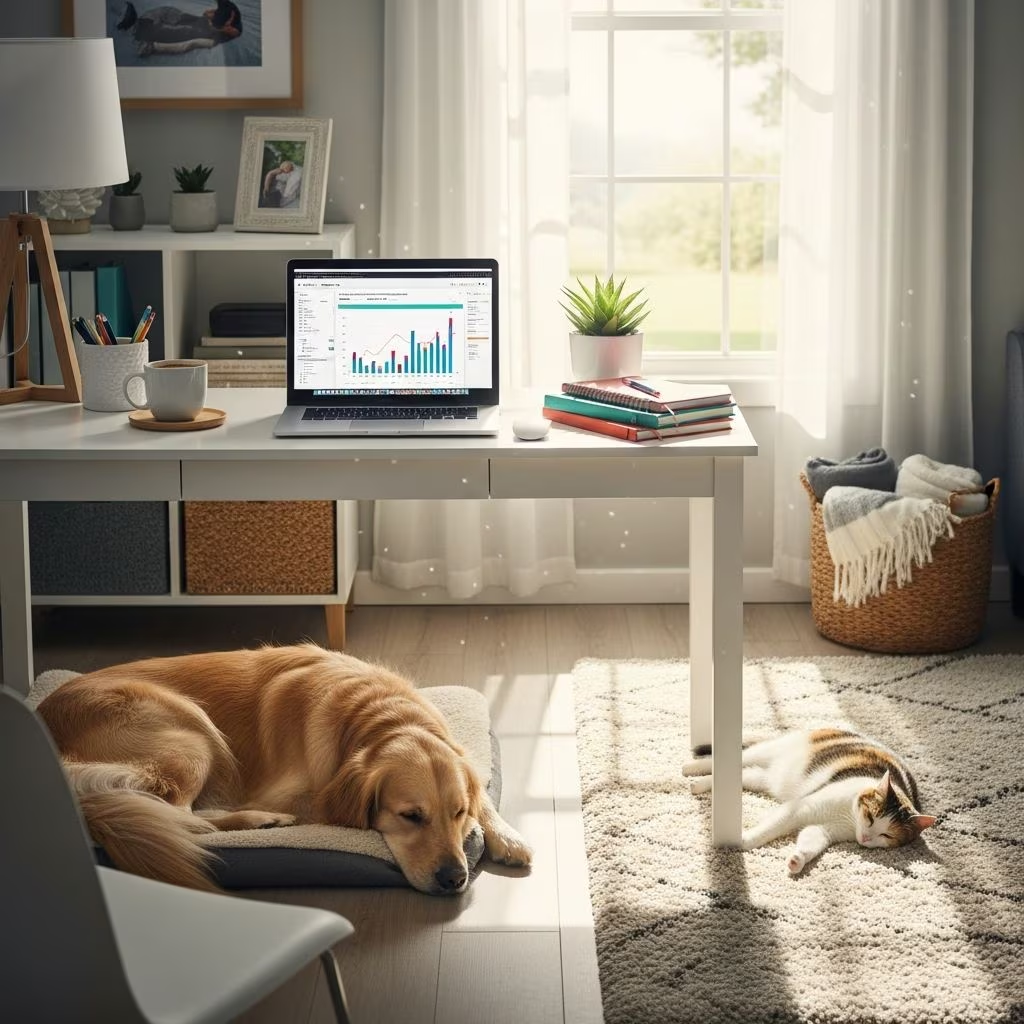
Working from home offers flexibility and convenience, but it also presents unique challenges for pet parents. The reality of balancing professional responsibilities with a curious dog pawing at your leg during video calls or a cat meowing for attention is something many remote workers face daily. The good news? It is entirely possible to maintain productivity while enjoying quality time with your furry companions. With the right strategies and mindset, you can create a work-from-home environment where both you and your pets thrive.
Stick to a Schedule
One of the most effective ways to manage your pet’s behavior while working from home is establishing and maintaining a consistent daily schedule. Pets are creatures of habit and can adapt remarkably well to structured routines. Your cat knows precisely when dinner time approaches, and your dog understands the timing of their daily walks. This natural ability to learn patterns works in your favor when managing work-from-home responsibilities.
Begin your workday with physical activity for your pet. A morning walk with your dog or dedicated playtime with your cat helps burn their energy reserves early in the day. This pre-work exercise session sets a positive tone and makes pets more likely to rest during your busy work hours. After this activity, establish clear “quiet time” when your pet should understand that you’re unavailable for play.
Structure your day with strategic breaks. Work for focused periods, then take a lunch break that includes interactive playtime with your pet. This break rejuvenates both you and your animal companion while reinforcing the distinction between work and leisure time. When your pet begins seeking attention during work hours, resist the urge to engage. Instead, ignore attention-seeking behavior and reward calm, independent conduct. This positive reinforcement teaches your pet that quiet behavior results in rewards, while demanding behavior does not.
Create a No-Pets-Allowed Office Space
Physical boundaries are fundamental to maintaining focus and separating your professional life from your home life. Consider designating a specific area of your home as your exclusive office space where pets are not permitted. This dedicated workspace creates a psychological barrier that signals to both you and your pet when you’re in “work mode.”
If you prefer to maintain visual contact with your pet or lack a separate room, establish a semi-closed office using a pet gate. Products like the Regalo Easy Step Walk-Through Gate allow you to keep your office door open while preventing your pet from wandering into your workspace. This arrangement provides you with peace of mind knowing your pet is nearby and visible, yet physically separated from your work environment.
The benefits of a dedicated office space extend beyond simple distraction prevention. This setup establishes clear expectations for your pet about where they can and cannot go. Over time, your pet learns that this particular area is off-limits, reducing their attempts to enter and minimizing interruptions. Additionally, a contained office space allows you to control your environment, reducing background noise that might be picked up during conference calls.
Take Advantage of Naptime
One of nature’s greatest gifts to working pet parents is the sleep schedule of their animals. Adult cats, for example, average between 13 to 16 hours of sleep daily, providing substantial windows of opportunity for uninterrupted work. Dogs also require significant rest, particularly after morning exercise. Understanding and leveraging these natural sleep cycles is crucial for maximizing your productivity.
Plan your most important tasks, challenging projects, and necessary conference calls during your pet’s typical nap times. These quiet periods allow you to focus fully without anticipating interruptions or managing attention-seeking behavior. This strategic scheduling ensures that your most demanding work receives your best mental energy and concentration.
If your pet’s natural sleep schedule doesn’t align with your critical work hours, you can gently encourage rest with a comfortable bed in a quiet area away from activity and noise. A well-exercised pet is more likely to rest when given the opportunity, so don’t underestimate the importance of that morning activity session in enabling productive afternoon work.
Provide Stimulation and Enrichment
Bored pets often become destructive pets. Without adequate mental and physical engagement, your dog or cat may resort to problematic behaviors like excessive barking, scratching furniture, or creating other disturbances that derail your productivity and test your patience. The solution is providing engaging, stimulating activities that keep your pet productively occupied throughout the day.
Invest in interactive puzzle toys and enrichment devices designed to keep your pet mentally engaged. Products like the Frisco Hide and Seek Plush Chewy Box Puzzle Dog Toy encourage problem-solving and active participation. These toys make your pet feel as though they have their own “job” to do, channeling their energy into constructive activity rather than demanding your attention.
Electronic toys also serve this purpose effectively. Motion-activated cat toys like the SmartyKat Hot Pursuit Electronic Concealed Motion Cat Toy provide independent entertainment that holds your cat’s attention for extended periods. Rotating different toys throughout the week prevents boredom and maintains your pet’s interest in their enrichment activities.
Consider implementing treat-dispensing toys and puzzle feeders during meal times. These devices slow down eating, extend the time your pet spends on feeding, and provide mental stimulation alongside physical nourishment. The mental engagement required to extract food from these toys naturally tires pets and encourages rest afterward.
Plan for Inevitable Distractions
Despite your best planning and most determined efforts, distractions will happen. Emergency potty breaks arise unexpectedly, cats knock over coffee cups at inopportune moments, and dogs occasionally decide that mid-afternoon zoomies are non-negotiable. Rather than viewing these interruptions as failures, accept them as natural aspects of living with pets while working from home.
Flexibility is your ally. When disruptions occur, handle them calmly and return to your schedule as soon as possible. Neither your boss nor your pet benefits from you becoming frustrated or stressed about occasional chaos. Build slack into your schedule when you can, recognizing that some days will be more challenging than others.
Communicate with colleagues and supervisors about your work-from-home situation when appropriate. Many people are now familiar with the realities of remote work alongside pet ownership, and reasonable professionals understand that occasional background noise or brief delays are acceptable trade-offs for the flexibility and efficiency that remote work typically provides.
Warning Signs of Boredom and Stress
Learning to recognize signs that your pet is struggling with the work-from-home arrangement is essential. Dogs exhibiting boredom may display excessive barking, destructive chewing, pacing, or attempts to gain your attention through increasingly persistent behaviors. Cats might scratch furniture, engage in excessive meowing, or display aggressive play behaviors.
If you notice these warning signs, reassess your pet’s enrichment plan and exercise schedule. Your pet may need additional activity, more engaging toys, or modified daily routines. Pay attention to what works best for your individual animal and adjust accordingly.
Frequently Asked Questions
Q: How can I prevent my dog from barking during video calls?
A: Exercise your dog thoroughly before important calls, ensure they have engaging toys or a chew available, and consider using a pet gate to confine them to a separate area during critical meetings. White noise machines can also mask background sounds that trigger barking.
Q: What’s the best way to transition my pet to a work-from-home schedule?
A: Implement changes gradually over several weeks. Start by establishing consistent feeding and exercise times, then slowly expand periods of alone time. Be patient, as some pets require several weeks to fully adjust to new routines.
Q: How often should I take breaks to interact with my pet?
A: Most pets benefit from brief interaction every 2-3 hours and longer play or exercise breaks every 4-5 hours. Tailor your schedule to your pet’s individual energy levels and needs.
Q: Can I use pet cameras to monitor my pet while working?
A: Yes, pet cameras provide peace of mind and allow you to check on your pet throughout the day. Some cameras offer two-way audio, treat dispensers, and laser toys to interact with your pet remotely.
Q: What should I do if my pet has separation anxiety?
A: Consider consulting with a veterinarian or certified animal behaviorist. Strategies may include gradual desensitization to your working routine, calming supplements, anxiety-reducing music, or professional training assistance.
Q: How can I maintain my pet’s health while working from home?
A: Stick to consistent feeding schedules, ensure adequate exercise, maintain regular veterinary check-ups, and avoid overfeeding due to increased access to your kitchen throughout the day.
Creating a Win-Win Environment
Working from home as a pet parent doesn’t require choosing between professional success and pet wellness. By implementing these strategies—maintaining consistent schedules, creating dedicated workspaces, leveraging naptime, providing enrichment, and accepting occasional disruptions—you create an environment where both you and your pet flourish.
The key is recognizing that your pet’s needs and your professional responsibilities aren’t mutually exclusive. A well-exercised, mentally stimulated, and clear-about-expectations pet is far more likely to respect your work time. Similarly, you’re likely to be more productive when you know your pet is content and safe.
Remember that the transition to successful work-from-home pet parenting takes time. Be patient with yourself and your pet as you establish new routines. Every pet is unique, so don’t hesitate to adjust strategies based on what works best for your individual animal. With consistency, flexibility, and intentional planning, you can absolutely work productively from home while being an excellent pet parent.
References
- How to Work From Home as a Pet Parent — Chewy Education. 2025. https://www.chewy.com/education/dog/training-and-behavior/how-to-work-from-home-as-a-pet-parent
- Pet Parenting Hub — Chewy. 2025. https://www.chewy.com/education/dog/pet-parenting



