

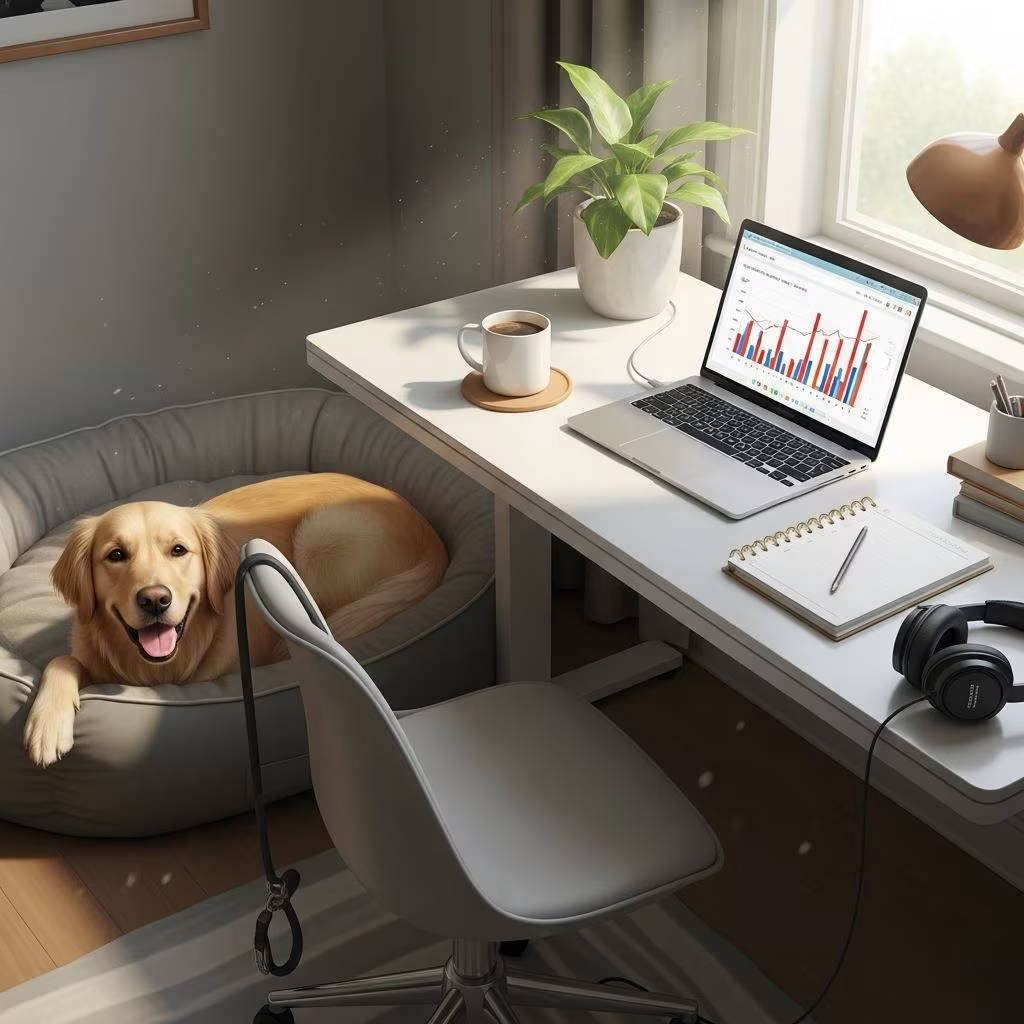
Remote work offers dog owners the chance to spend more time with their pets, but it also introduces challenges like constant distractions and unmet expectations. This guide provides actionable strategies to harmonize your professional responsibilities with your dog’s needs, drawing on proven methods for exercise, training, and space management.
Building a Predictable Daily Routine
Dogs flourish with consistency, which helps them anticipate events and feel secure. When your home becomes your office, unexpected schedule shifts can confuse your pet, leading to whining or restlessness. Start by mapping out a daily timetable that aligns your work hours with your dog’s natural rhythms.
- Morning walks: Begin each day with a 20-30 minute outing to expend energy and signal the start of your workday.
- Scheduled breaks: Align short play sessions or potty trips with your own meal times or meetings.
- Evening wind-down: End the day with calming activities like gentle petting or a short stroll to promote restful sleep.
Flexibility within this structure prevents rigidity. If a late meeting arises, swap a walk for indoor play, teaching your dog adaptability without causing anxiety.
Physical Exercise: The Foundation of Calm Behavior
A well-exercised dog is less likely to interrupt your focus. Physical activity burns energy, reduces boredom, and improves overall mood for both you and your pet. Aim for at least 60 minutes of moderate exercise daily, distributed across the day.
| Time of Day | Activity Ideas | Benefits |
|---|---|---|
| Morning | Neighborhood jog or fetch | Boosts energy release before work starts |
| Midday | Quick tug-of-war or backyard chase | Provides screen-break refreshment |
| Afternoon | Longer hike or interactive games | Prevents late-day hyperactivity |
Incorporate variety to keep things engaging: alternate between walks, runs, and games like fetch. For high-energy breeds, consider hiring a professional walker for midday sessions, ensuring your dog gets stimulation without derailing your schedule.
Mental Stimulation Through Training and Toys
Physical exertion alone isn’t enough; mental challenges tire dogs just as effectively. Training sessions double as brain workouts, reinforcing good habits while deepening your bond.
Key exercises include:
- Basic commands: Practice “sit,” “stay,” and “down” for 10 minutes daily, rewarding calm behavior.
- Puzzle toys: Use treat-dispensing balls or sniff mats during calls to occupy them quietly.
- Enrichment feeders: Slow meals with food puzzles extend eating time and engage problem-solving skills.
Ignore attention-seeking behaviors like pawing or barking, only rewarding quiet moments with praise or treats. This teaches self-settling.
Designing Dedicated Spaces for Work and Rest
Your home office should be a no-pet zone to establish boundaries. Dogs accustomed to constant access may test limits, but consistency pays off.
- Select a quiet room or corner for work, using baby gates or doors to block entry.
- Provide your dog with their own cozy area: a comfortable bed, water, and toys in a separate space.
- Enforce rules firmly—resist opening doors during whines to avoid reinforcing the behavior.
For rest periods, create a “quiet zone” with dimmed lights, soft music, and a high-quality bed. Aim for 2+ hours of undisturbed naps daily to recharge.
Interactive Toys and Enrichment Strategies
Toys that demand effort keep dogs engaged independently. Opt for durable options like Kongs filled with frozen treats or automatic ball launchers.
- Chew toys: Long-lasting options for teething or stress relief.
- Interactive dispensers: Release kibble as they play, turning meals into games.
- Scent games: Hide treats around a room for sniffing adventures.
Rotate toys weekly to maintain novelty. During meetings, these keep dogs busy without noise. Limit treats to 10% of daily calories to avoid weight gain.
Addressing Common Behavioral Challenges
Even with routines, issues arise. Here’s how to tackle them:
Excessive barking: Identify triggers like doorbell sounds and desensitize with gradual exposure. Use white noise machines during work.
Separation whining: Practice short absences daily, starting at 5 minutes, to build independence and prevent future anxiety.
Zoom call crashes: Pre-meeting exercise and toys minimize intrusions. Mute yourself if needed and redirect calmly.
Benefits of Home-Based Dog Care Over Daycare
Working from home eliminates daycare risks like illness exposure or overstimulation. Your dog enjoys personalized attention in a familiar environment, reducing stress.
- Custom exercise tailored to their needs.
- No pack dynamics causing anxiety.
- Stronger owner-pet bonds through shared time.
Long-Term Adjustment Tips
Patience is crucial—behavior changes take weeks. Track progress in a journal, noting what works. If challenges persist, consult a certified trainer.
Periodically leave the house for errands to mimic pre-remote life, preventing dependency.
Frequently Asked Questions (FAQs)
How much exercise does my dog need while I work from home?
Most dogs require 30-90 minutes daily, split into sessions. Adjust based on age, breed, and energy level.
What if my dog won’t settle during calls?
Use puzzle toys or crate them with a chew in a separate area. Reward post-call calm behavior.
Can I use music to calm my dog?
Yes, classical or dog-specific playlists promote relaxation during naps or alone time.
Should I hire a dog walker?
Ideal for busy schedules; 30-minute midday walks maintain energy balance without your involvement.
How do I prevent separation anxiety long-term?
Practice daily separations and maintain pre-work leaving routines.
References
- 6 Tips for Working from Home with Your Dog — TopDog Health. 2023-05-15. https://topdoghealth.com/6-tips-for-working-from-home-with-your-dog/
- Working From Home? A New Look At Your Pet’s Behavior — Lone Tree Vet. 2023-08-22. https://www.lonetreevet.com/blog/working-from-home-a-new-look-at-your-pets-behavior/
- 5 Tips for Working From Home With Dogs — Embark Vet. 2024-01-10. https://embarkvet.com/resources/how-to-work-from-home-with-dogs/
- Tips for Successfully Working from Home with Pets — Green Paws Chicago. 2023-11-05. https://greenpawschicago.com/tips-for-working-from-home-with-pets/
- Working From Home With Your Dog? — Bark Busters. 2023-07-18. https://www.barkbusters.com/news/working-from-home
- How to WFH Happily With Your Dog — The Farmer’s Dog. 2024-02-14. https://www.thefarmersdog.com/digest/happily-wfh-dog/
- The Secret to Staying Sane While Working From Home With Pets — Blue Oasis Pet Hospital. 2023-09-30. https://www.blueoasispethospital.com/services/other/blog/secret-staying-sane-while-working-home-pets



