

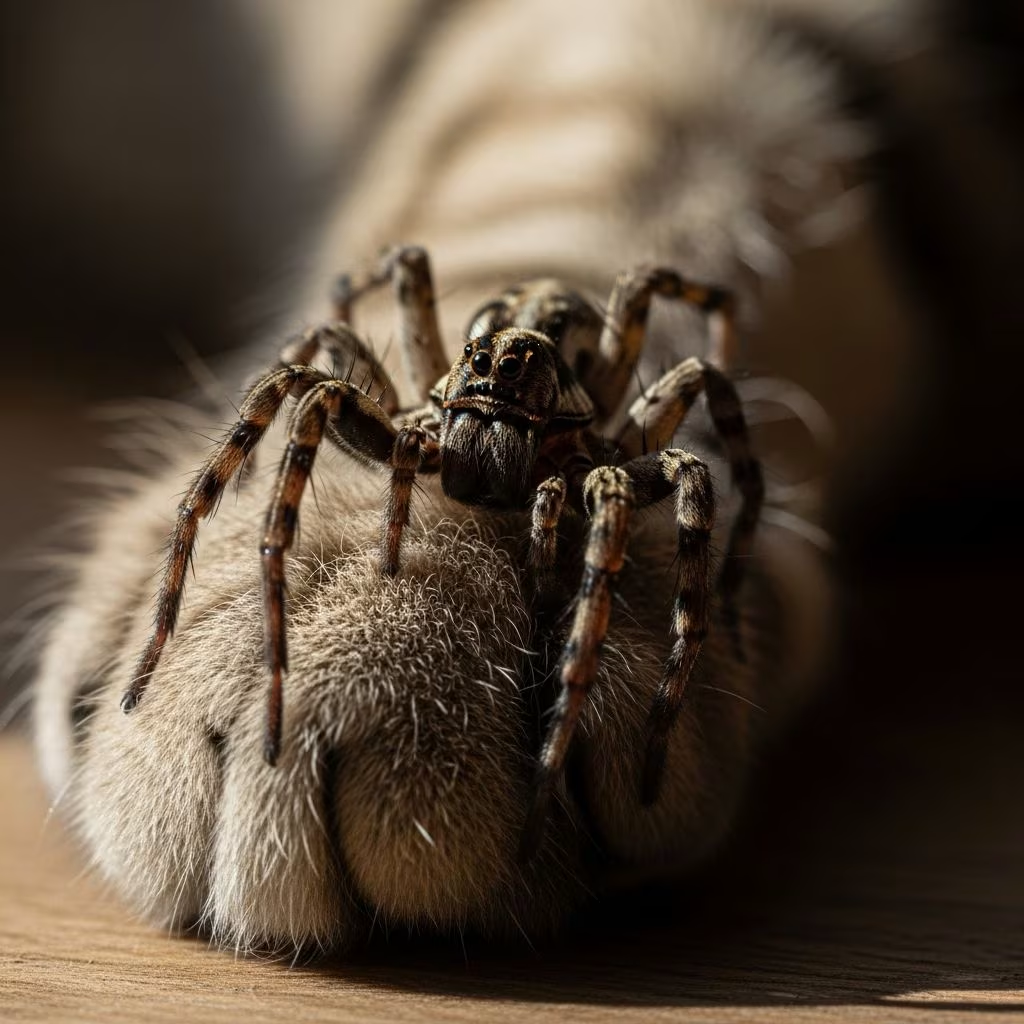
Wolf spiders present negligible toxicity threats to cats, with bites causing only mild irritation rather than severe poisoning. Their venom targets small insects, rendering it largely ineffective against larger mammals like felines.
Understanding Wolf Spider Biology and Behavior
Wolf spiders belong to the Lycosidae family, known for their robust builds, keen eyesight, and active hunting style. Unlike web-spinning species, they chase down prey such as insects and small arthropods using speed and agility. These spiders thrive in diverse habitats, from gardens and forests to urban basements and garages, often wandering indoors during cooler months.
Adult wolf spiders measure 1-3 cm in body length, with females typically larger and carrying egg sacs on their backs. Their fangs deliver venom designed to immobilize tiny prey quickly, but the dosage is insufficient to endanger cats. Cats, being natural predators, frequently encounter these spiders during play or hunting instincts, yet serious incidents remain uncommon due to the spiders’ defensive fleeing behavior.
Venom Composition and Effects on Felines
The venom of wolf spiders contains neurotoxins that disrupt insect nervous systems, leading to paralysis. In cats, any injected amount provokes at most localized reactions because feline physiology neutralizes it efficiently. Bites occur only if the spider feels cornered, such as when pawed or trapped.
- Mild localized inflammation: Redness and slight swelling at the puncture site, resolving in hours to days.
- Temporary discomfort: Itching, minor pain, or excessive grooming of the affected area.
- Rare systemic signs: Brief lethargy or appetite dip, seldom progressing further.
Ingestion poses even less risk; a cat’s stomach acids degrade the venom before absorption, allowing safe passage of the spider.
Recognizing and Monitoring Bite Reactions
Observe your cat closely after spotting a wolf spider interaction. Prompt identification of bite signs enables timely intervention if needed. Common indicators include a small puncture mark with surrounding puffiness and behavioral shifts like limping or focused licking.
| Symptom | Typical Duration | Action Required |
|---|---|---|
| Redness/Swelling | 1-3 days | Clean area; monitor |
| Scratching/Licking | Hours | Prevent infection |
| Lethargy | Up to 24 hours | Vet if persists |
| No symptoms | N/A | Observe casually |
Clean the site gently with mild soap and water to avert secondary bacterial issues, a potential complication from scratching. Avoid home remedies or human antihistamines, as they may harm cats.
Comparing Wolf Spiders to Truly Hazardous Arachnids
Not all spiders carry equal risks for cats. Wolf spiders rank low on the danger scale compared to certain venomous counterparts prevalent in specific regions.
- Black Widow (Latrodectus spp.): Potent neurotoxin alpha-latrotoxin triggers muscle spasms, vomiting, and potentially fatal paralysis; cats show high sensitivity requiring antivenom.
- Brown Recluse (Loxosceles reclusa): Necrotic venom destroys tissue, causing ulcers, fever, and organ risks like kidney strain.
Wolf spider effects pale beside these, lacking necrosis or systemic toxicity. Geographic awareness is key—black widows favor dark crevices in warmer climates, brown recluses hide in undisturbed spots.
First Aid Steps for Suspected Encounters
Act swiftly but calmly if you witness or suspect a bite:
- Secure the area: Remove the spider safely using a container and release outdoors.
- Inspect your cat: Part fur to check for wounds; note any swelling.
- Cleanse gently: Use pet-safe antiseptic on the site.
- Monitor vital signs: Track eating, energy, and breathing for 24-48 hours.
- Consult a vet: For escalating symptoms like facial swelling, persistent vomiting, or breathing issues.
Veterinary assessment might involve anti-inflammatories or antibiotics for infections, but most cases self-resolve.
Preventive Measures for Spider-Free Homes
Minimize encounters through proactive home management:
- Seal cracks, gaps, and vents to block entry points.
- Reduce clutter in basements, garages, and storage areas.
- Maintain yard hygiene by trimming vegetation and clearing debris.
- Use natural repellents like diatomaceous earth around perimeters.
- Supervise outdoor play, especially at dusk when spiders hunt.
While eradication isn’t necessary—wolf spiders control pests naturally—professional pest control aids in high-infestation zones without harsh chemicals harmful to pets.
Long-Term Health Implications and Myths Debunked
Persistent myths exaggerate wolf spider dangers, claiming necrosis or lethality, debunked by veterinary consensus. No evidence links them to chronic feline conditions; single bites yield no lasting damage.
Kittens or immunocompromised cats warrant extra caution, potentially showing amplified responses, though still mild. Regular wellness checks ensure baseline health for quick anomaly detection.
Frequently Asked Questions
Do wolf spiders actively hunt cats?
No, they flee from cats, biting defensively only when escape is impossible.
Can my cat die from eating a wolf spider?
Unlikely; digestive processes neutralize venom effectively.
How do I differentiate a wolf spider bite from others?
Wolf bites show two small punctures with mild swelling, sans the hourglass mark of black widows or recluse’s slow ulcer.
Are wolf spiders more risky in certain seasons?
Yes, fall migrations increase indoor sightings.
Should I worry if my cat plays with spiders regularly?
Occasional play is low-risk; supervision prevents escalation.
References
- Are Wolf Spiders Poisonous to Cats? — Zoorithm. 2023. https://www.zoorithm.com/cats/are-wolf-spiders-poisonous-to-cats
- Are Wolf Spiders Poisonous to Cats? Vet-Reviewed Bite Signs — Hepper. 2024. https://articles.hepper.com/are-wolf-spiders-poisonous-to-cats/
- How Poisonous Are Wolf Spiders to Cats? Vet-Reviewed Safety Facts — Catster. 2024. https://www.catster.com/lifestyle/how-poisonous-are-wolf-spiders-to-cats/
- Are Wolf Spiders Dangerous to Dogs or Cats? — A-Z Animals. 2023. https://a-z-animals.com/blog/are-wolf-spiders-dangerous-to-dogs-or-cats/
- Are wolf spiders dangerous for my cat to interact with? — Dial A Vet. 2024. https://www.dialavet.com/vet-answers/post/cat-playing-with-wolf-spiders-16726



