

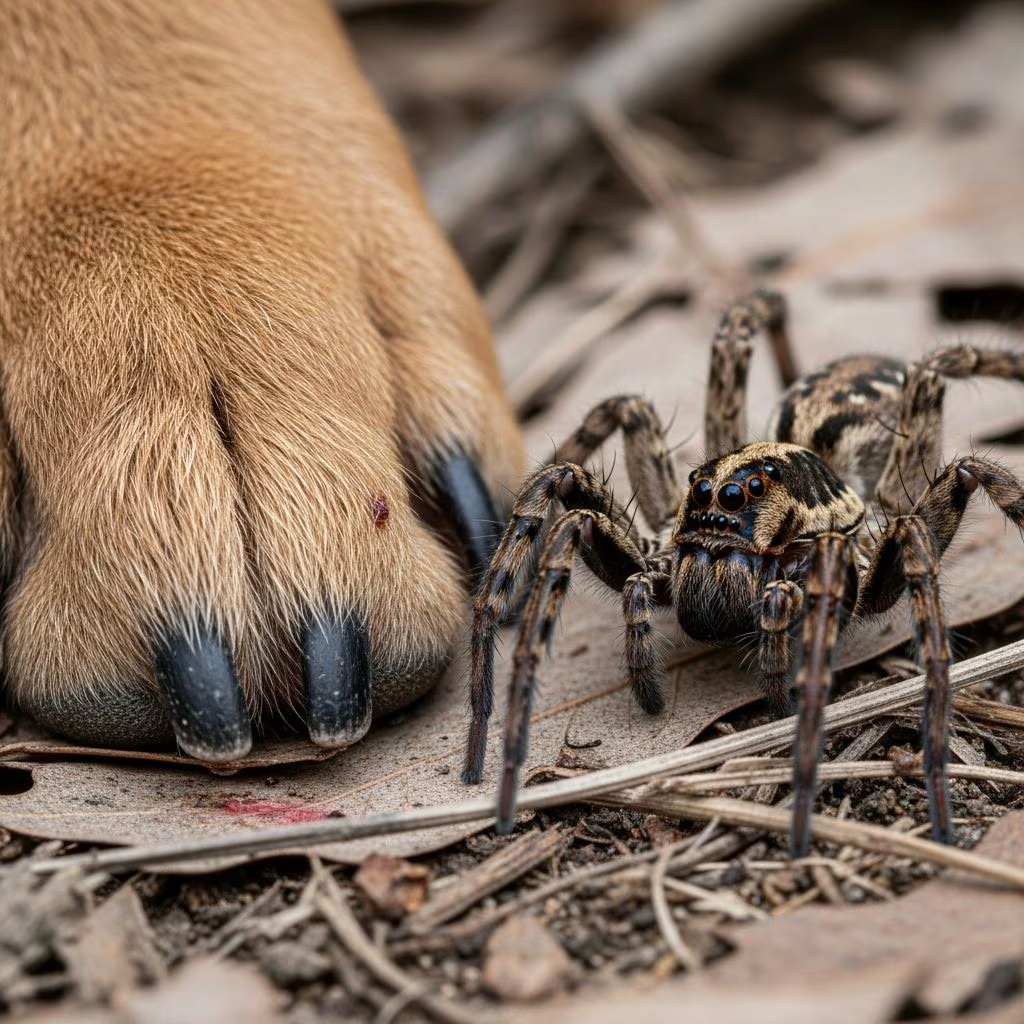
Wolf spider bites typically cause only mild discomfort in dogs, such as localized pain or swelling, and rarely lead to severe health issues.
Understanding Wolf Spiders and Their Encounters with Dogs
Wolf spiders belong to a large family of ground-dwelling arachnids known for their hunting prowess rather than web-building. These spiders are found worldwide in grassy areas, under rocks, or in leaf litter, often wandering into homes during warmer months. Unlike more notorious species, wolf spiders possess venom primarily for subduing prey like insects, not for defense against larger animals like dogs.
Dogs may encounter wolf spiders while digging in yards, exploring garages, or playing outdoors. A bite occurs if the spider feels threatened, such as when stepped on or disturbed. Fortunately, the venom’s potency is low for canines, leading to reactions far less intense than those from black widows or brown recluses.
Common Symptoms of a Wolf Spider Bite in Canines
Most wolf spider bites result in transient, minor effects that resolve without intervention. Dog owners should monitor the affected area and behavior closely for 24-48 hours.
- Localized irritation: A small red bump or puncture mark appears, often with mild itching.
- Swelling and tenderness: The site may puff up slightly, causing the dog to lick or chew at it.
- Pain response: Brief yelping or limping if the bite is on a paw or leg.
- Behavioral changes: Temporary lethargy or reluctance to use the limb.
Severe symptoms are uncommon but could signal an allergic response or secondary infection, including persistent vomiting, fever, or widespread hives.
Distinguishing Wolf Spider Bites from Dangerous Ones
Not all spider bites look alike, and misidentification can delay proper care. Wolf spider bites lack the hallmarks of venomous species.
| Bite Type | Appearance | Symptoms | Severity for Dogs |
|---|---|---|---|
| Wolf Spider | Small red mark, minor swelling | Mild pain, itchiness | Low risk |
| Brown Recluse | Bulls-eye lesion, blistering | Necrosis, fever, limping | High; may need surgery |
| Black Widow | Two red fangs, rigid abdomen | Cramps, tremors, rapid breathing | High; antivenom possible |
If unsure, observe for escalating signs like muscle rigidity or respiratory distress, which demand immediate veterinary evaluation.
Step-by-Step Home Treatment Protocol
For confirmed or suspected wolf spider bites, follow these evidence-based steps to alleviate discomfort and promote healing.
- Examine the site: Gently part fur to locate puncture marks. Clean with mild soap and water to remove debris.
- Apply cold therapy: Use a cloth-wrapped ice pack for 2-3 minutes to reduce swelling. Avoid direct skin contact to prevent frostbite.
- Prevent self-trauma: Distract the dog and use an Elizabethan collar if licking persists, as saliva can introduce bacteria.
- Administer safe relief: Offer a cool bath with oatmeal shampoo for itch relief. Over-the-counter antihistamines like diphenhydramine may help if vet-approved for your dog’s weight.
- Monitor progress: Check hourly initially, noting any changes in size or color.
- Follow up: Most resolve in 1-3 days; consult a vet if no improvement.
These measures suffice for 95% of cases, avoiding unnecessary clinic visits.
When to Seek Professional Veterinary Help
While wolf spider bites are benign, certain red flags warrant prompt action. Rush to the vet if your dog exhibits:
- Swelling spreading beyond the bite site.
- Fever above 103°F or chills.
- Uncontrolled vomiting, diarrhea, or seizures.
- Difficulty breathing or facial swelling.
- Lethargy lasting over 24 hours or collapse.
Vets may prescribe antibiotics for infections, pain meds, or steroids for allergic reactions. In rare severe cases, bloodwork or imaging assesses systemic effects.
Prevention Strategies for Spider-Prone Environments
Proactive steps minimize bite risks, especially in spider-active regions.
- Yard maintenance: Mow grass short, clear debris piles, and seal cracks in foundations.
- Indoor vigilance: Vacuum corners, basements, and garages regularly; use dehumidifiers to deter spiders.
- Supervised play: Keep dogs leashed in wooded or brushy areas at dusk when spiders hunt.
- Pest control: Employ pet-safe insecticides around perimeters; avoid broad-spectrum sprays indoors.
- Seasonal awareness: Peak activity occurs spring through fall; inspect bedding and toys post-outdoor time.
Combining these habits significantly reduces encounters.
Long-Term Effects and Recovery Expectations
Dogs recover swiftly from wolf spider bites, with full resolution in under a week for uncomplicated cases. Scarring is negligible, unlike necrotic bites from other spiders. Sensitized dogs might develop mild allergies over time, prompting allergy testing if repeated incidents occur.
Post-bite, maintain gentle grooming of the area and a bland diet to support healing. Resume normal activity once pain-free, gradually increasing exercise.
Frequently Asked Questions About Spider Bites on Dogs
Are wolf spider bites fatal to dogs?
No, they pose no lethal threat. Mild symptoms self-resolve, though monitoring is essential.
How long does swelling last after a wolf spider bite?
Typically 24-72 hours with proper care. Persistent swelling requires vet attention.
Can I give my dog Benadryl for a spider bite?
Yes, at 1mg per pound of body weight every 8 hours, but confirm dosage with a vet first.
What if my dog ate the spider after the bite?
Ingestion rarely causes issues beyond possible stomach upset. Watch for vomiting and withhold food briefly.
Do all spiders biting dogs need antivenom?
Only for black widow bites in severe cases; wolf spiders do not.
Expert Insights on Arachnid Risks for Pets
Veterinarians emphasize education over alarm. Regional spider prevalence varies—consult local extension services for species maps. Breeds with thin coats, like Greyhounds, may show bites more visibly but react similarly.
For multi-pet homes, isolate the bitten dog during monitoring to prevent spider disturbances. Annual wellness exams can screen for underlying sensitivities.
References
- Spider Bite on Dog (Symptoms & Treatment) — Dutch. 2024. https://www.dutch.com/blogs/dogs/spider-bite-on-dog
- What are the Symptoms of a Spider Bite on a Dog? — South Wilton Vets. 2024-03-15. https://www.southwiltonvet.com/site/blog-fairfield-county-vet/2024/03/15/spider-bite-dog
- Help! My little chihuahua may have bitten a wolf spider — Dial A Vet. N/A. https://www.dialavet.com/vet-answers/chihuahua-bitten-wolf-spider-315393
- Wolf Spider Bite on Dog: 6 Steps to Treat It (Vet Answer) — Dogster. N/A. https://www.dogster.com/ask-the-vet/wolf-spider-bite-on-dog-vet-answer
- What To Do If Your Dog Is Bitten By a Spider — Ferguson Animal Hospital. 2022-05-10. https://www.fergusonanimalhospital.com/site/blog/2022/05/10/dog-spider-bite



