

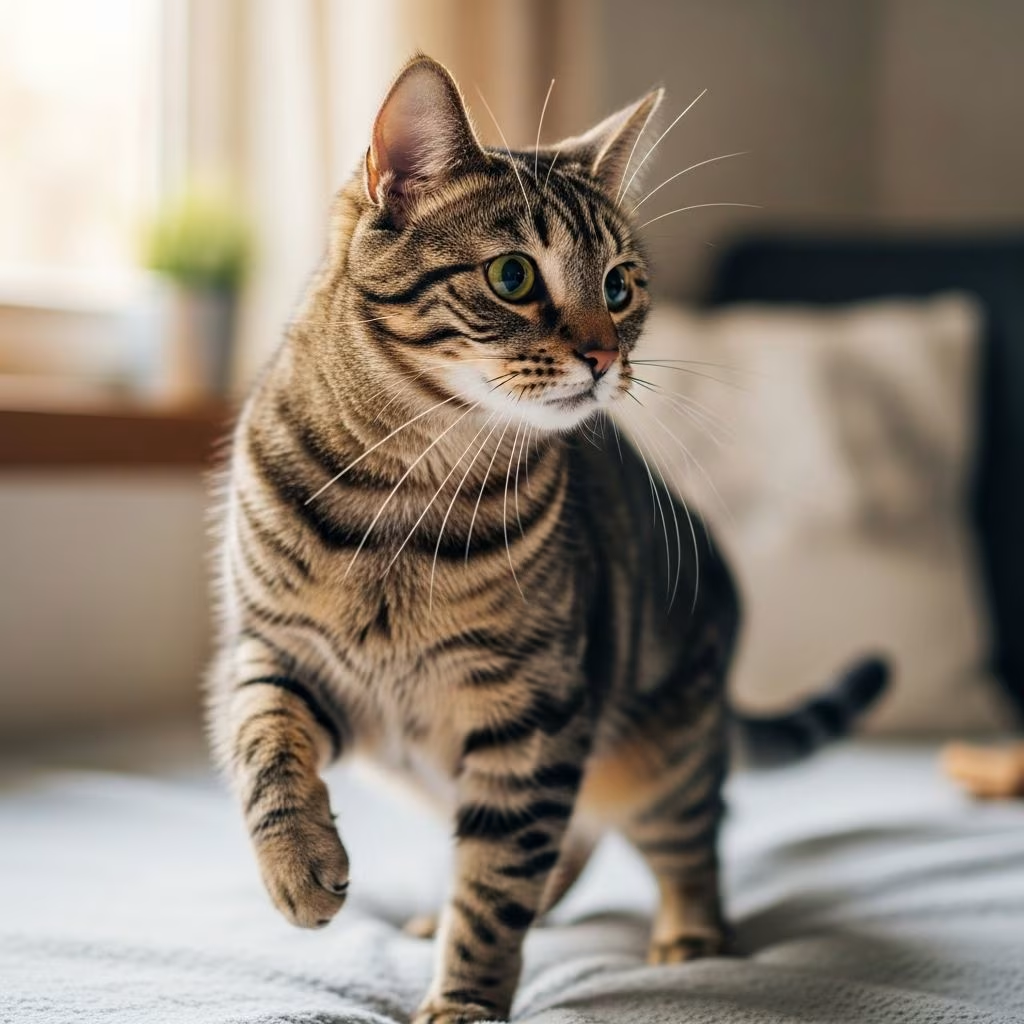
Cerebellar hypoplasia is a neurological disorder in cats characterized by an underdeveloped cerebellum, the brain region responsible for coordination and balance. Affected cats, often called “wobbly cats,” display distinctive unsteady movements but can lead fulfilling lives with proper adaptations.
The Cerebellum’s Role in Feline Movement
The cerebellum acts as the body’s balance center, fine-tuning muscle actions, posture, and precise motions. In kittens with cerebellar hypoplasia, this structure fails to mature fully during critical developmental windows, leading to lifelong motor challenges. Unlike other brain areas, the cerebellum’s rapid cell division in late pregnancy makes it especially vulnerable to disruptions.
This condition emerges early in life and remains stable, meaning symptoms do not intensify over time. Cats appear normal when at rest but reveal issues during activity, highlighting the cerebellum’s role in dynamic movement control.
Recognizing the Signs of Cerebellar Hypoplasia
Owners often notice symptoms as kittens begin exploring, typically around 3-4 weeks old. Key indicators include:
- Unsteady gait: Wide-based stance with swaying or stumbling during walks.
- Hypermetria: Exaggerated, high-stepping “goose-walking” where paws overreach targets.
- Intention tremors: Head or body shaking that worsens with focused actions like eating or playing.
- Balance loss: Leaning on walls or furniture for support; falling when jumping.
- Clumsy paw placement: Misjudged steps, especially on uneven surfaces.
Symptom severity varies: mild cases show subtle wobbles, while severe ones prevent jumping or precise pouncing. Importantly, these cats lack pain, weakness, or cognitive deficits—they simply lack coordination.
Primary Causes: Viral Impact During Development
The leading trigger is feline panleukopenia virus (FPV), a parvovirus infecting unvaccinated pregnant queens. Transmitted in utero, FPV targets the cerebellum’s proliferating cells around gestation days 25-40, halting growth.
Not all littermates are affected equally; some escape unharmed due to timing or viral load. Postnatal FPV exposure in neonates can mimic effects but is rarer. Vaccination prevents maternal FPV, drastically reducing incidence in protected populations.
Less Common Contributing Factors
Beyond FPV, other insults during cerebellar formation include:
- Hypoxia from complicated births, starving brain tissue of oxygen.
- Maternal malnutrition impairing fetal nutrition.
- Trauma or toxins affecting the developing brain.
- Rare infections like toxoplasmosis or fungal diseases.
These factors underscore the cerebellum’s sensitivity, but FPV remains the dominant culprit.
How Veterinarians Diagnose the Condition
Diagnosis starts with history and observation: young onset, non-progressive ataxia points to hypoplasia. Vets perform neurological exams assessing gait, reflexes, and menace response.
Imaging like MRI confirms cerebellar underdevelopment, distinguishing it from tumors or inflammation. Blood tests rule out metabolic issues; FPV titers may indicate exposure history.
| Feature | Cerebellar Hypoplasia | Other Ataxias (e.g., Toxoplasmosis) |
|---|---|---|
| Onset Age | Kittenhood, stable | Any age, progressive |
| Progression | Does not worsen | Worsens over time |
| Pain/Weakness | Absent | Often present |
| Imaging | Small cerebellum | Lesions/inflammation |
This table highlights key differentiators, aiding accurate identification.
Managing Life with Cerebellar Hypoplasia
No cure exists, as damage is congenital and static. Management focuses on safety and enrichment:
- Home modifications: Ramps, carpeted floors, low-sided litter boxes to prevent falls.
- Dietary aids: Elevated bowls reduce tremor strain during meals.
- Exercise: Encourage play to build confidence; avoid high jumps.
- Monitoring: Watch for sudden changes signaling secondary issues like infections.
These cats adapt remarkably, using whiskers and vision to compensate. Spaying/neutering proceeds normally, and life expectancy matches healthy peers.
Breeding and Prevention Strategies
Prevent FPV via core vaccinations for queens before breeding. Isolate pregnant cats from strays or unvaccinated felines. Early kitten vaccines (post-maternal antibodies) add protection.
Breeders screen for history of FPV exposure. Responsible adoption of known CH cats promotes welfare, as they thrive in supportive homes.
Daily Care Tips for Wobbly Cat Owners
- Secure loose rugs and cords to minimize trip hazards.
- Use puzzle feeders on stable surfaces to engage without frustration.
- Provide soft landing zones near favorite perches.
- Regular vet checkups ensure no comorbidities.
- Join CH cat communities for support and tips.
These steps enhance quality of life, turning potential challenges into manageable quirks.
FAQs About Cerebellar Hypoplasia in Cats
Is cerebellar hypoplasia painful for cats?
No, it causes no pain—only motor discoordination. Cats remain playful and affectionate.
Can wobbly cats live normal lifespans?
Yes, with proper care, they match average cat longevity of 12-18 years.
Is CH contagious?
The cat itself isn’t; it’s developmental. But original FPV cause is highly contagious—vaccinate all cats.
Can CH cats be litter trained?
Absolutely, though low-entry boxes help. Most adapt quickly.
Should I adopt a CH cat?
Yes, they make wonderful pets, often more loving due to reliance on humans.
Outlook for Cats with This Condition
Far from debilitating, cerebellar hypoplasia equips cats with unique charm. Viral prevention curbs new cases, while supportive care ensures existing ones flourish. These resilient felines prove neurology challenges need not dim their spirit.
References
- Signs and Symptoms of Cerebellar Hypoplasia in Cats — GoodRx. 2023. https://www.goodrx.com/pet-health/cat/cerebellar-hypoplasia
- Cerebellar Hypoplasia in Cats — PetMD. 2023. https://www.petmd.com/cat/conditions/neurological/c_ct_cerebellar_hypoplasia
- Cerebellar Hypoplasia in Cats – Causes, Treatment — Vetster. 2023. https://vetster.com/en/conditions/cat/cerebellar-hypoplasia
- Cerebellar Hypoplasia in Cats — VCA Animal Hospitals. 2023. https://vcahospitals.com/know-your-pet/cerebellar-hypoplasia-in-cats
- What Is Feline Cerebellar Hypoplasia? — WebMD. 2023. https://www.webmd.com/pets/cats/what-is-feline-cerebellar-hypoplasia
- Wobbly Cat Syndrome: An Interesting But Harmless Condition — Texas A&M University College of Veterinary Medicine. 2023. https://vetmed.tamu.edu/news/pet-talk/wobbly-cat-syndrome/



