

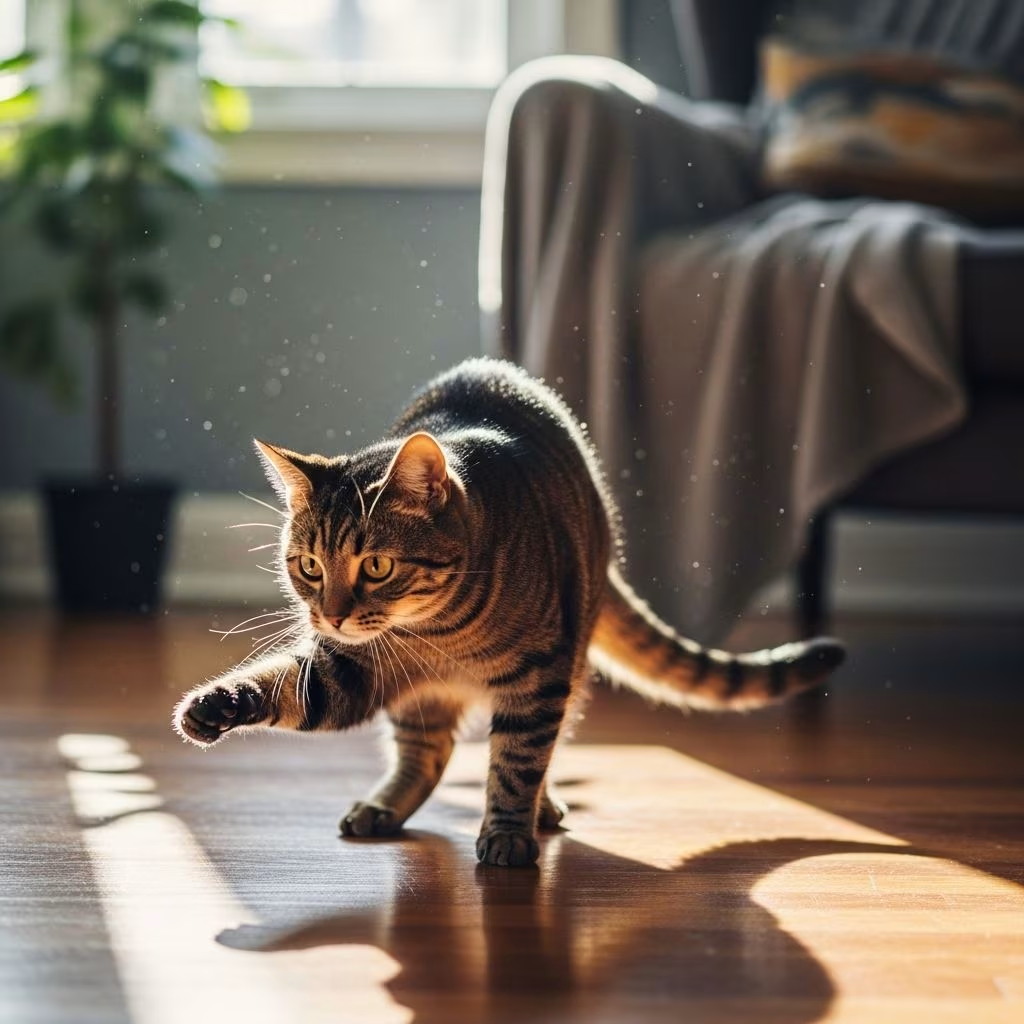
Wobbly cat syndrome, medically known as **cerebellar hypoplasia (CH)**, is a congenital neurological condition affecting cats’ coordination and balance. It results from underdevelopment of the cerebellum—the brain region controlling movement—typically due to in-utero exposure to the feline panleukopenia virus (FPV), also called feline distemper. This non-progressive, non-painful disorder manifests as kittens begin walking, with symptoms ranging from mild tremors to severe ataxia, yet affected cats adapt remarkably well and enjoy long, happy lives with proper support.
What Is Wobbly Cat Syndrome?
**Cerebellar hypoplasia** occurs when the cerebellum fails to develop fully during gestation, leading to lifelong motor challenges but no cognitive impairment. Cats with CH exhibit characteristic ‘wobbling’ due to impaired proprioception and fine motor control. Unlike progressive diseases, CH signs are static from birth; kittens show symptoms as soon as they stand, often bobbing their heads or stumbling. The condition is neither contagious nor degenerative, distinguishing it from acquired ataxias like infections or toxicities. Public awareness has grown via social media videos of ‘wobbly kittens,’ highlighting their playful resilience despite physical limitations.
The cerebellum coordinates voluntary movements, balance, and posture. In CH cats, fewer Purkinje cells—key neurons in the cerebellar cortex—result in jerky motions, wide-based stances, and intention tremors (shaking worsening with purposeful movement). Severity correlates with the gestational timing of cerebellar insult: earlier infections cause more profound deficits.
Causes of Wobbly Cat Syndrome
The primary cause is **feline panleukopenia virus (FPV)** infection in pregnant queens, which crosses the placenta and targets rapidly dividing cerebellar cells around days 15-40 of gestation. FPV, a parvovirus, destroys Purkinje cells, halting proper brain folding. Unvaccinated mothers are at highest risk, as FPV remains endemic worldwide.
Less common causes include:
- Malnutrition or thiamine deficiency in the queen, impairing fetal brain development.
- Other intrauterine infections like toxoplasmosis.
- Trauma or inflammatory conditions affecting the developing fetus.
CH is not inherited genetically but environmentally acquired in utero. Postnatal causes of similar ‘wobbliness’—like thiamine deficiency from fish-heavy diets or aminoglycoside toxicity (e.g., streptomycin)—must be ruled out, as they may mimic CH but are treatable. Idiopathic vestibular syndromes can present acutely in adults but resolve spontaneously.
Symptoms and Signs
Symptoms appear at weaning (3-5 weeks), as kittens attempt locomotion. Key signs include:
- Ataxia: Unsteady gait, wide-based stance, high-stepping (‘goose-stepping’), falling over, or circling.
- Head tremors (intention tremor): Bobbing or shaking, intensifying during eating/drinking or focus.
- Hypermetria: Overreaching in limb movements, like exaggerated paw placement.
- Balance issues: Leaning on walls, sitting crookedly, or difficulty jumping.
Severity varies: mild cases show subtle head bobs and navigate well; severe ones crawl or drag hindquarters but retain normal appetite and affection. No seizures, vision/hearing loss, or pain accompany true CH—additional signs suggest differentials like FIP or tumors. Cats compensate over time, using vision and whiskers for navigation.
Diagnosis
Veterinarians diagnose CH via history (congenital onset), clinical exam, and ruling out mimics. Key steps:
- Neurological assessment: Tests for cerebellar-specific signs (no menace response deficits, normal spinal reflexes).
- Signalment review: Young cats from unvaccinated litters raise CH suspicion.
- Imaging: MRI/CT reveals small, malformed cerebellum with reduced white/gray matter. Cerebrospinal fluid analysis shows mild protein elevation, no inflammation.
- Exclude differentials: Bloodwork for toxicities, ear exams for otitis media/interna (causing vestibular ataxia), or FPV titers.
No genetic test exists; diagnosis is presumptive in classic cases. If symptoms worsen suddenly, re-evaluate for concurrent issues like injuries.
Treatment Options
There is **no cure** for CH, as cerebellar neurons don’t regenerate. Management is supportive and environmental:
- Physical therapy: Encourage play, ramps, and low jumps to build muscle memory.
- Hydrotherapy: Warm water walking strengthens limbs in severe cases.
- Medications: Rarely, anti-tremor drugs like memantine (off-label) for debilitating tremors; avoid sedatives.
- Nutrition: High-quality diet; thiamine supplements if deficiency suspected.
Prognosis is excellent—CH cats live normal lifespans (12-18+ years) with adaptations. Euthanasia is rare, only for unmanageable severity or comorbidities.
Living with a Wobbly Cat: Care Tips
CH cats thrive indoors with modifications. Essential strategies:
- Provide low-sided litter boxes, carpeted floors, and stable furniture—no high perches.
- Use wide bowls for eating (to accommodate tremors); elevate food if neck flexion is hard.
- Harness walks over collars; supervise outdoors in enclosures.
- Regular vet checks for obesity/arthritis prevention—maintain ideal weight.
- Socialize early; CH cats are loving and adapt via vision/hearing.
| Severity Level | Symptoms | Care Adjustments |
|—————-|———-|——————|
| Mild | Subtle head bob, minor stumbles | Minimal; standard home ok |
| Moderate | Noticeable ataxia, wall-leaning | Ramps, soft flooring, assisted feeding |
| Severe | Crawling, constant tremors | Wheelchairs, hydrotherapy, hand-feeding |
Adopting CH cats from rescues is rewarding; they demand extra patience but offer boundless affection.
Prevention
Prevent via **core vaccination** of queens against FPV pre-breeding—highly effective. Spay unvaccinated strays to halt transmission. No CH risk from vaccinated mothers.
FAQs
Is wobbly cat syndrome painful?
No, CH is non-painful; cats show no distress from movements.
Can CH cats live normal lives?
Yes, with adaptations, they enjoy full lifespans and play actively.
Is cerebellar hypoplasia contagious?
No, it’s congenital and non-transmissible.
Can CH improve with age?
Symptoms don’t worsen and cats compensate, appearing steadier.
Should I adopt a CH kitten?
Absolutely—many owners report them as ideal, low-climbing pets.
References
- The Wobbly Cat: Diagnostic and Therapeutic Approach to Generalised Ataxia — Journal of Feline Medicine and Surgery. 2020-03-01. https://pmc.ncbi.nlm.nih.gov/articles/PMC7128653/
- Wobbly Cat Syndrome: An Interesting But Harmless Condition — Texas A&M University College of Veterinary Medicine & Biomedical Sciences. 2023-08-15. https://vetmed.tamu.edu/news/pet-talk/wobbly-cat-syndrome/
- Understanding Wobbly Cat Syndrome — Pet Assure. 2024-02-12. https://www.petassure.com/maxscorner/understanding-wobbly-cat-syndrome/
- Cerebellar Hypoplasia (CH) and Cats — Neffsville Veterinary Clinic. 2023-11-05. https://neffsvillevet.com/cerebellar-hypoplasia-ch-and-cats/
- Signs and Symptoms of Cerebellar Hypoplasia in Cats — GoodRx. 2024-05-20. https://www.goodrx.com/pet-health/cat/cerebellar-hypoplasia
- Caring For a Cerebellar Hypoplasia Cat: 10 Tips — Whisker. 2023-09-10. https://www.whisker.com/blog/caring-for-a-cerebellar-hypoplasia-cat
- Cats with Cerebellar Hypoplasia — Cats Protection. 2024-01-08. https://www.cats.org.uk/help-and-advice/health/disabled-cats/cats-with-cerebellar-hypoplasia



