

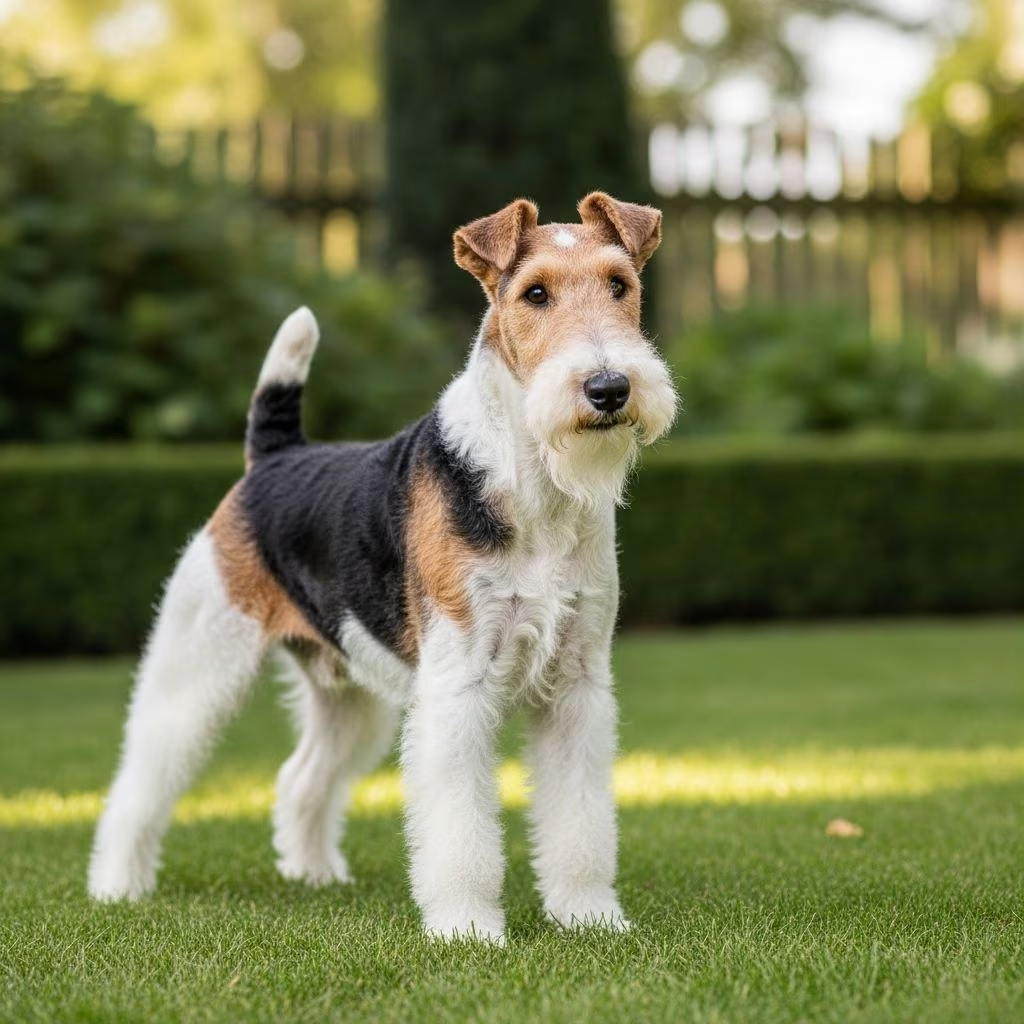
Wire Fox Terrier Dog Breed: Behavior, Traits & Care
The Wire Fox Terrier is a small but mighty breed that combines boundless energy with remarkable intelligence. Developed in the British Isles during the 17th century to hunt foxes and other small game, these determined dogs have transitioned from working animals to beloved family companions. However, their working heritage significantly influences their behavior and care requirements today. Understanding the Wire Fox Terrier’s unique personality, training needs, and behavioral characteristics is essential for anyone considering this spirited breed as a pet.
Breed Overview and Physical Characteristics
The Wire Fox Terrier is a member of the Terrier group, classified as a small breed with distinctive physical features that reflect its hunting heritage. Males typically weigh between 18 to 19 pounds and stand approximately 15.5 inches at the withers, while females are slightly smaller at 15 to 17 pounds and up to 14.5 inches in height. Despite their small stature, these dogs possess a sturdy, athletic build designed for agility and endurance during hunts.
One of the most recognizable features of the Wire Fox Terrier is its rough, wiry double coat. The coat is predominantly white with colored markings of black and tan, typically featuring a black saddle or large patch across the back. The outer coat is characteristically wiry and slightly waved, though the show standard specifies that it should never be curly. The distinctive facial features include a long muzzle, small dark eyes, and medium-sized triangular ears that fold neatly forward toward the cheeks, giving the breed its characteristic alert and keen expression.
Temperament and Personality Traits
Energy and Intelligence
Two of the most defining characteristics of the Wire Fox Terrier are its exceptional energy level and intelligence. These dogs possess a low threshold for boredom and require constant mental stimulation and physical activity to remain content and well-behaved. The breed was developed as an independent thinker, capable of making tactical decisions while hunting, which means Wire Fox Terriers today retain this need for mental engagement and problem-solving opportunities.
Wire Fox Terriers are natural athletes and entertainers with playful, friendly personalities. They are quick, alert, and ready to respond with enthusiasm to any situation. When properly socialized and exercised, they display a communicative and playful demeanor that makes them wonderful family pets. However, their intelligence also means they can become bored and destructive if their mental needs are not adequately addressed.
Working Dog Mentality
Despite their modern role as companion animals, Wire Fox Terriers retain a strong working dog mentality. They thrive when given a job to do and strive to please their owners through active engagement. This breed is not suited to families expecting a laid-back, couch-bound pet. Instead, they excel in homes where they can participate in activities, training, and play that keep their minds and bodies occupied.
The breed displays remarkable courage and bravery, traits that were essential for their original purpose of hunting foxes, badgers, and boars. This fearlessness, combined with their athleticism and determination, makes them excellent watchdogs and alert protectors of their families. However, this same confidence can manifest as tenacity and a tendency to react first in stressful situations if the dog is poorly socialized or lacks appropriate boundaries.
Behavioral Characteristics and Challenges
Prey Drive and Hunting Instincts
One of the most significant behavioral traits of the Wire Fox Terrier is its strong, innate prey drive. The breed was specifically developed to hunt small game and possesses a natural instinct to chase and capture prey. In modern home environments, this can manifest as chasing cars, bicycles, other dogs, cats, and small animals. While these are entirely normal behaviors for a breed designed to hunt, they require careful management through training, socialization, and environmental controls.
Without proper supervision, Wire Fox Terriers may pursue small household pets and can inflict serious damage due to their hunting instincts. This is not a sign of aggression or poor breeding but rather a deeply ingrained characteristic of the breed. Owners should ensure that smaller pets are protected and that outdoor activities are supervised to prevent problematic pursuits.
Barking and Vocalization
Wire Fox Terriers are known for their loud, sharp bark, which they originally used to alert hunters to the presence of prey. As companion dogs, they typically bark frequently to communicate about new situations, other dogs, squirrels, mail carriers, and other stimuli in their environment. Owners should not expect this breed to be quiet or calm; instead, regular vocalizations are a normal part of living with a Wire Fox Terrier.
The barking tendency can be managed through training, but it should be understood that this is an inherent breed characteristic rather than a behavioral problem to be completely eliminated. Training can teach dogs to bark appropriately and respond to cues to quiet, but complete silence should not be an expectation.
Digging Behavior
Another characteristic behavior linked to the Wire Fox Terrier’s hunting heritage is an excellent ability and strong desire to dig. Unattended dogs may quickly dig under garden fences, tear up flower beds, and create holes throughout the yard. This behavior is not a sign of inadequate care or boredom alone but reflects the breed’s instinct to pursue underground prey. Monitored outdoor activity is best for this breed, and yards should be well-secured with fencing that extends underground or in-ground barriers to prevent escape attempts.
Socialization and Training Requirements
Early Socialization
Proper socialization from puppyhood is crucial for Wire Fox Terriers. While the breed is naturally friendly and courageous, early exposure to various people, animals, environments, and stimuli helps develop a well-rounded adult dog. Poorly socialized Wire Fox Terriers without clear boundaries may develop destructive and undesirable behaviors that reflect their tenacious nature and independent thinking.
Socialization should specifically address the breed’s prey drive and tendency to chase other animals. Introducing puppies to cats and other small pets in controlled environments, combined with consistent training, can help teach them appropriate behavior around household companions.
Training and Intelligence
Wire Fox Terriers are extremely intelligent dogs capable of learning many skills and tricks. They typically respond well to obedience training and are eager to please their owners when properly motivated. Obedience classes are highly recommended for this breed to help curb their strong hunting instincts and provide mental stimulation.
However, their independence and working dog mentality mean they require consistent, positive reinforcement-based training methods. These dogs may not respond well to overly harsh corrections and thrive when training is presented as engaging work or play. Keeping training sessions varied and interesting helps maintain their attention and enthusiasm.
Establishing Boundaries
Clear boundaries and consistent rules are essential for managing Wire Fox Terrier behavior. These dogs need to understand their role within the family hierarchy and what behaviors are acceptable. Without clear direction, their confidence and independence can lead to problematic behaviors like running away, chasing objects they shouldn’t pursue, and taunting other animals.
Compatibility with Families and Other Pets
Good with Children
Wire Fox Terriers make excellent companions for children. Their playful nature, boundless energy, and enthusiasm for games and outdoor activities align perfectly with children’s interests. These dogs are eager to please and responsive to training, making them suitable for families with active children who can provide the exercise and play these dogs require.
However, supervision is important due to the breed’s exuberant nature and high energy levels. Their size is manageable for families with older children, though interactions with very young children should be monitored to prevent accidental injuries from the dog’s enthusiasm.
Interactions with Other Dogs
Wire Fox Terriers can learn to get along with other pets when properly socialized, though their prey drive and strong personality can create challenges. The breed demonstrates moderate compatibility with other dogs, and males can be particularly aggressive toward other males. Same-sex aggression is not uncommon in this breed due to their confident, independent nature and territorial instincts.
Careful introductions, continued socialization throughout life, and sometimes professional guidance may be necessary to manage interactions with other household dogs. Neutering or spaying may help reduce some territorial and aggressive behaviors.
Relationship with Other Small Animals
The strong prey drive of Wire Fox Terriers means they may not be suitable for households with rabbits, guinea pigs, hamsters, or other small rodents. Cats require careful introductions and ongoing supervision, though many Wire Fox Terriers can coexist peacefully with feline family members if socialized properly from puppyhood.
Exercise and Activity Requirements
The biggest consideration for potential Wire Fox Terrier owners is the breed’s boundless energy. These dogs require an abundance of exercise to keep fit, healthy, and mentally stimulated. Daily vigorous exercise, including long walks, runs, and interactive play, is essential. Without adequate physical activity, Wire Fox Terriers are prone to developing destructive behaviors that arise from boredom and pent-up energy.
Beyond physical exercise, these dogs excel in activities that challenge their minds and bodies, such as agility training, conformation shows, trick training, and obedience competitions. Puzzle toys, interactive games, and regular training sessions should be incorporated into daily routines to keep their sharp minds engaged.
Grooming and Coat Care
The Wire Fox Terrier’s distinctive wiry coat requires regular maintenance but is generally low-shedding. Regular brushing is necessary to avoid matting and keep the coat healthy. Dogs competing in the show ring require hand-stripping of their coats to maintain the proper texture and appearance, which is a specialized grooming technique.
Pet Wire Fox Terriers can be clipped into a lower-maintenance trim that looks similar to a show trim, making grooming more manageable for families not interested in show competition. However, all Wire Fox Terriers need consistent brushing to prevent coat problems and maintain their distinctive appearance.
Lifespan and Health Considerations
The Wire Fox Terrier has a lifespan of 12 to 15 years, making them a long-term companion commitment. With proper care, exercise, nutrition, and veterinary attention, many Wire Fox Terriers live healthy, active lives well into their senior years. Their robust constitution and hardy nature contribute to their general good health, though breed-specific health screening is recommended when acquiring a puppy from a responsible breeder.
Breed Characteristics Comparison
| Characteristic | Rating/Description |
|---|---|
| Good with Children | Excellent (5/5) |
| Good with Other Dogs | Moderate (3/5) |
| Shedding Level | Low (2/5) |
| Grooming Needs | Moderate (3/5) |
| Energy Level | Very High (4/5) |
| Trainability | Very Good (4/5) |
| Barking Level | High (4/5) |
| Playfulness | Very High (4/5) |
Is a Wire Fox Terrier Right for You?
The Wire Fox Terrier is ideal for active families or individuals who can commit to meeting the breed’s significant exercise, mental stimulation, and training needs. These dogs are perfect for owners who enjoy outdoor activities, training, and interactive play. They thrive in homes where they can be included in family activities and given jobs or tasks to accomplish.
However, Wire Fox Terriers are not suitable for sedentary individuals, apartments without adequate exercise access, or homes where the breed’s barking and digging would be problematic. Potential owners must also be prepared for the challenges associated with their strong prey drive and independent personality. A fenced yard, secure boundaries, and consistent training are non-negotiable requirements for this breed.
Frequently Asked Questions
Q: Are Wire Fox Terriers good family pets?
A: Yes, Wire Fox Terriers can be excellent family pets, especially for active families with children. They are playful, affectionate, and energetic companions that thrive in homes where they can participate in activities and receive adequate exercise and mental stimulation.
Q: How much exercise do Wire Fox Terriers need?
A: Wire Fox Terriers require substantial daily exercise, including long walks, runs, and interactive play. They also need mental stimulation through training and puzzle games. Without adequate exercise and engagement, they can develop destructive behaviors.
Q: Can Wire Fox Terriers live with cats?
A: Wire Fox Terriers can coexist with cats if socialized properly from puppyhood and with ongoing supervision. However, their strong prey drive means some individuals may chase or harm feline companions, so careful management is necessary.
Q: Why do Wire Fox Terriers bark so much?
A: Wire Fox Terriers have a loud, sharp bark they originally used to alert hunters to prey. Today’s companion dogs use this bark frequently to communicate about their environment. This is a normal breed characteristic that training can manage but not eliminate.
Q: Are Wire Fox Terriers easy to train?
A: Wire Fox Terriers are intelligent and eager to please, making them trainable when using positive reinforcement methods. However, their independent nature and strong prey drive require consistent, patient training from an experienced handler.
Q: How long do Wire Fox Terriers typically live?
A: Wire Fox Terriers have a lifespan of 12 to 15 years with proper care, making them long-term companions requiring significant commitment and resources.
Q: Do Wire Fox Terriers get along with other dogs?
A: Wire Fox Terriers can learn to get along with other dogs with proper socialization, but they show moderate compatibility. Males can be aggressive toward other males, requiring careful management and sometimes professional guidance.
Q: What grooming does a Wire Fox Terrier require?
A: Wire Fox Terriers require regular brushing to prevent matting. Show dogs need hand-stripping, while pet dogs can be clipped into a lower-maintenance trim. They are relatively low-shedding but still need consistent grooming attention.
References
- Wire Fox Terrier Dog Breed Information — Purina US. 2024. https://www.purina.com/dogs/dog-breeds/wire-fox-terrier
- Wire Fox Terrier — Wikipedia. 2024. https://en.wikipedia.org/wiki/Wire_Fox_Terrier
- Wire Fox Terrier – The Westminster Kennel Club — The Westminster Kennel Club. 2024. https://www.westminsterkennelclub.org/breed/wire-fox-terrier/
- Wire Fox Terrier Dog Breed Health and Care — PetMD. 2024. https://www.petmd.com/dog/breeds/wire-fox-terrier
- The Wire Fox Terrier Dog Breed — Hill’s Pet Nutrition. 2024. https://www.hillspet.com/dog-care/dog-breeds/wire-fox-terrier
- Wire Fox Terrier Dog Breed Information — American Kennel Club. 2024. https://www.akc.org/dog-breeds/wire-fox-terrier/



