

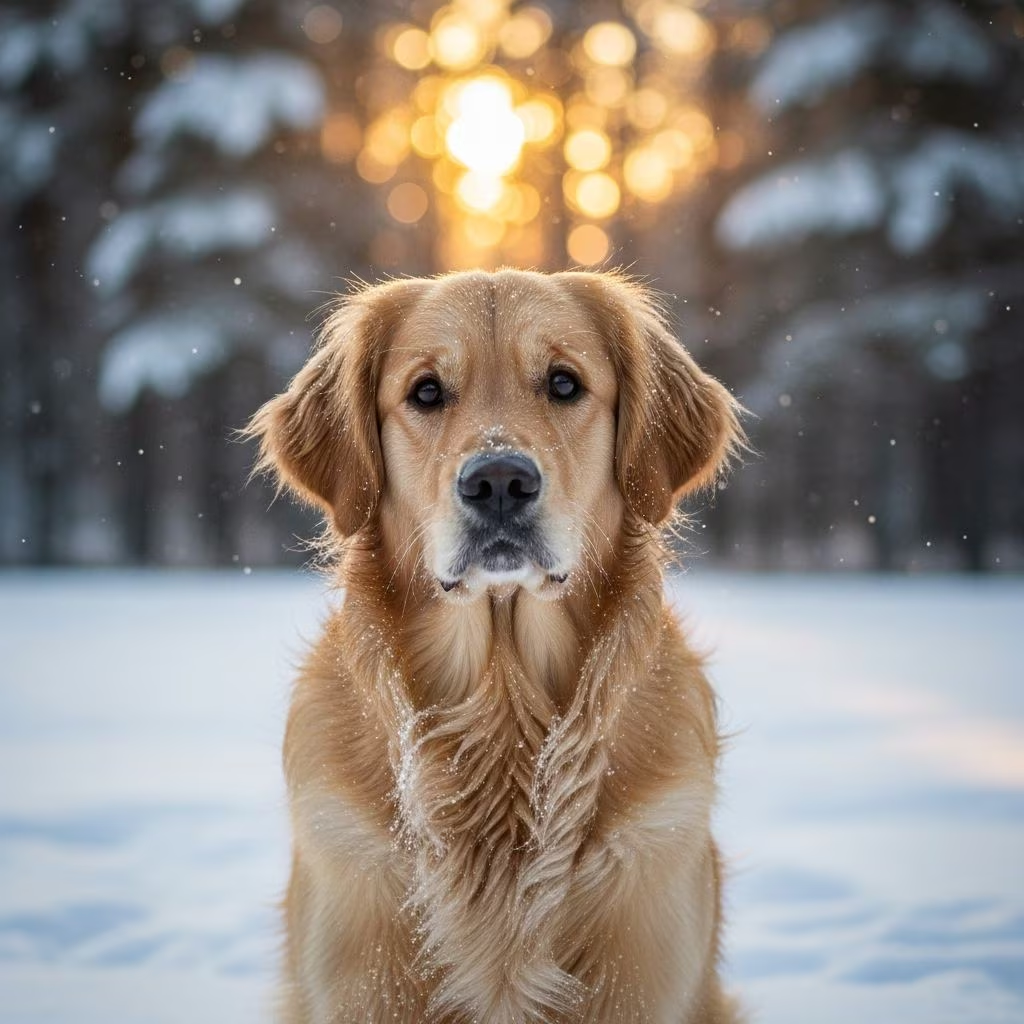
Your dog’s coat is their first line of defense against winter’s chill, wind, snow, and dryness. As temperatures drop, many dogs experience drier skin, static buildup, matting, and increased shedding, which can lead to discomfort if not addressed. Proper winterizing involves grooming adjustments, nutritional support, protective gear, and vigilant health monitoring to keep their coat healthy, shiny, and insulating. This comprehensive guide covers everything from breed-specific needs to daily care routines, ensuring your pup stays cozy and comfortable through the coldest months.
Understanding Your Dog’s Winter Coat Changes
Dogs naturally adapt to seasonal changes by shedding their lighter summer coat in fall to grow a thicker winter undercoat, providing essential insulation against cold. However, not all breeds are equal in this regard. Double-coated breeds like Huskies or Golden Retrievers develop lush undercoats that trap warmth, while short-haired breeds such as Pit Bulls or Greyhounds lack this natural protection and are prone to shivering in temperatures below 45°F (7°C).
Winter indoor heating exacerbates issues like dry air, leading to brittle fur, flakiness, and static electricity that causes flyaway hairs and mild shocks. Common signs of coat distress include excessive scratching, dullness, tangles in armpits or behind ears, and paw lifting from cold or irritation. Older dogs, puppies, and small breeds are especially vulnerable, as their metabolism struggles to generate body heat efficiently.
- Increased shedding: Even in winter, some dogs blow their undercoat, requiring more frequent brushing.
- Matting risks: Snow and ice melt trap moisture, leading to tangles if not dried properly.
- Dry skin: Low humidity causes flakes; visible on dark coats as white dandruff.
- Static buildup: Dry air makes fur cling and spark, irritating sensitive skin.
Recognizing these changes early allows for proactive care, preventing issues like hot spots or frostbite on exposed skin.
Grooming Tips for a Healthy Winter Coat
Regular grooming is crucial in winter to distribute natural oils, remove debris, and prevent mats that reduce insulation. Brush your dog 3-5 times weekly, using tools matched to their coat type: slicker brushes for long fur, deshedding tools for undercoats, and natural-bristle brushes to minimize static. Focus on high-friction areas like the chest, tail base, and legs where snow accumulates.
Bathe sparingly—every 4-6 weeks—to avoid stripping oils, opting for moisturizing shampoos with oatmeal, aloe, or coconut derivatives formulated for dogs. Always dry thoroughly post-bath or walk, using towels or low-heat blow dryers to prevent damp undercoats that chill quickly.
Combating Dry Skin and Static
Dry skin manifests as itchiness or scaling; treat with vet-approved topicals like vitamin E oil or coconut oil applied sparingly after grooming. For static, introduce humidity with room humidifiers, use anti-static conditioning sprays, and switch to cotton bedding over fleece.
- Use pet-safe detangling mists during brushing for smoothness.
- Brush in the direction of hair growth to evenly spread oils.
- Avoid over-brushing, which can damage the coat cuticle.
Professional grooming every 6-8 weeks provides deep cleaning, de-matting, and moisture treatments tailored to winter needs.
Nutrition and Supplements for Coat Health
A nutrient-rich diet supports coat integrity from within. Omega-3 and omega-6 fatty acids from fish oil promote shine and reduce inflammation, while zinc and biotin strengthen hair follicles. Increase calories by 10-20% for outdoor dogs to fuel thermoregulation, using high-quality kibble with 25-30% protein.
Hydration is key; ensure constant access to unfrozen water, adding warm broth to encourage drinking and combat dry air effects. Supplements like flaxseed oil or salmon oil (vet-dosed) can add 500-1000mg EPA/DHA daily for medium dogs.
| Nutrient | Benefits | Sources |
|---|---|---|
| Omega Fatty Acids | Moisturizes skin, reduces flaking | Fish oil, salmon, flaxseed |
| Zinc | Prevents bald spots, boosts immunity | Beef, eggs, supplements |
| Vitamin E | Antioxidant for skin repair | Leafy greens, oils |
| Biotin | Strengthens fur shafts | Egg yolks, liver |
Consult a vet before starting supplements to avoid excesses that cause digestive upset.
Choosing the Right Dog Coat or Jacket
Not every dog needs clothes, but short-haired, senior, or small pups benefit greatly. Prioritize fit: measure chest girth and back length for snug coverage from neck to tail base without restricting movement. Look for insulated fills like fleece or Thinsulate, water-resistant exteriors (nylon or polyester), and windproof designs.
Harness-compatible jackets allow leash attachment without removal. Waterproof boots protect paws from ice melt chemicals, while belly bands shield low-hanging fur. Introduce gradually with positive reinforcement—pair with treats to build acceptance.
- Small breeds: Lightweight puffers for portability.
- Large breeds: Heavy-duty with leash ports.
- Active dogs: Flexible, breathable layers.
Wipe down coats post-outing to remove salt and prevent skin irritation.
Winter Walks and Outdoor Safety
Limit exposure below 20°F (-7°C), watching for shivering, whining, or paw-lifting as cues to head inside. Clear paths of ice, apply paw wax for traction, and rinse feet in shallow water to remove de-icing salts that burn pads and dry skin.
For outdoor dogs, provide insulated shelters with bedding raised off ground. Avoid shaving coats—natural fur insulates best.
Health Checks and When to See a Vet
Monitor for persistent scratching, hair loss, or hotspots indicating allergies or infections. Frostbite risks ears, tail, and paws; symptoms include pale skin turning red upon warming. Dry skin may signal hypothyroidism—vet bloodwork confirms.
Annual winter wellness exams catch issues early, with skin scrapes or cytology for flakes.
Frequently Asked Questions (FAQs)
Does my dog need a winter coat?
Yes, if they shiver below 45°F, have short/thin fur, are seniors, puppies, or small breeds. Signs include whining or lifting paws.
How do I measure my dog for a jacket?
Weigh them and measure chest circumference behind front legs, plus back length from neck to tail base. Check manufacturer size charts.
When do dogs grow their winter coats?
Fall shedding allows thicker growth by late November; spring blows it for summer.
How often should I groom in winter?
3-5 times weekly brushing; bathe every 4-6 weeks with moisturizers.
Can I shave my dog’s coat for winter?
No—fur insulates better than any sweater. Only for medical reasons.
Word count: 1678 (excluding HTML tags)
References
- 11 Best Coats for Your Dog in 2026 — Kinship. 2026. https://www.kinship.com/dog-shopping/best-dog-coats
- Manage Your Dog’s Winter Coat and Static Easily — The Dog Spot. 2023-10-15. https://www.thedogspot.com/dogs-winter-coat-and-static-problems/
- How to Keep Your Dog Safe in the Snow — Kinship. 2024. https://www.kinship.com/dog-lifestyle/winter-safety-tips-dogs
- How to Help Dry Skin on Dogs — Kinship. 2024. https://www.kinship.com/dog-health/winterizing-your-dogs-coat
- Top Care Tips for Dogs During the Winter — Bracknell Vets. 2024-11-20. https://www.bracknellvets.co.uk/pet-help-advice/dogs/136-top-care-tips-for-dogs-during-the-winter



