

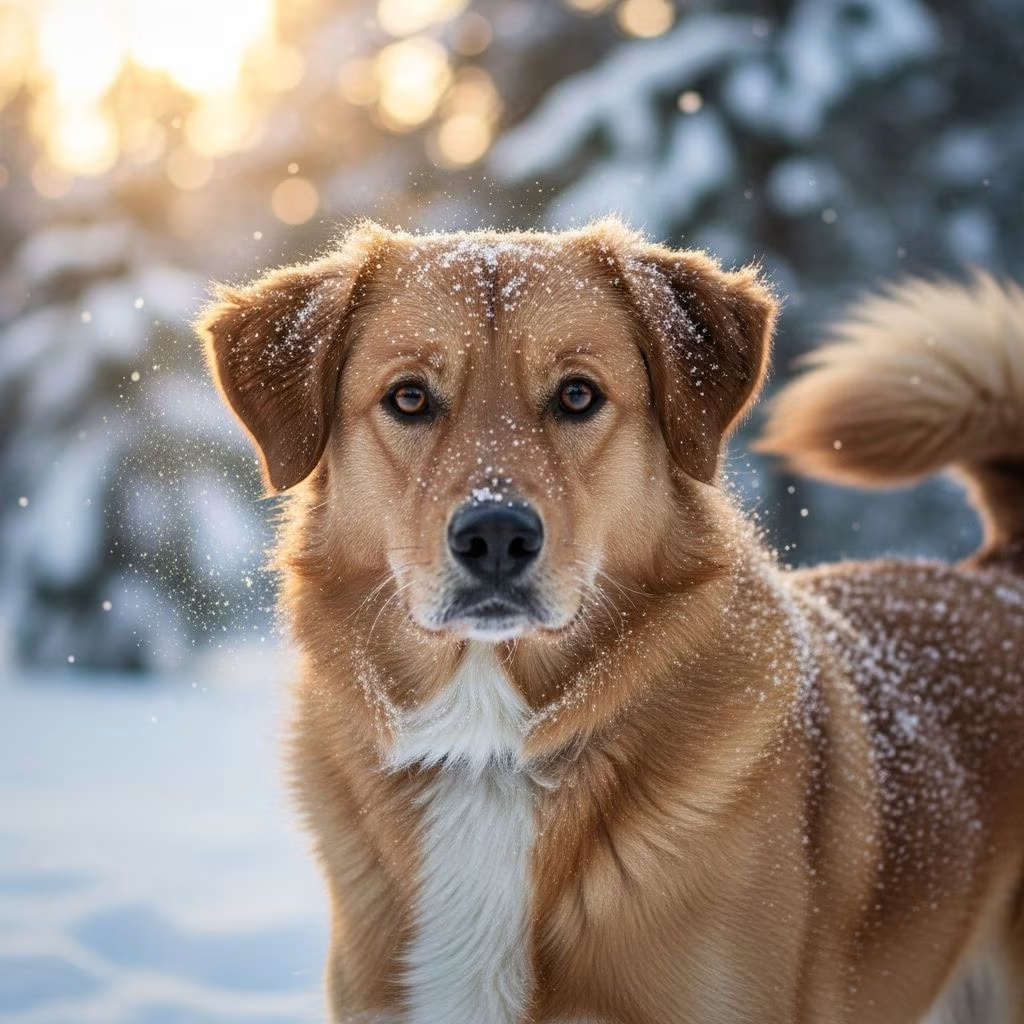
As temperatures drop and winter approaches, your dog’s coat plays a crucial role in protecting them from the cold, wind, and wet conditions. Many dogs naturally grow thicker winter coats, but not all breeds are equipped for harsh weather. Proper winterising involves grooming, nutrition, protective clothing, and safety measures to prevent dry skin, matting, and hypothermia. This comprehensive guide covers everything you need to keep your furry friend comfortable and healthy throughout the season.
Understanding Your Dog’s Natural Winter Coat
Dogs typically shed their summer coat in the fall to make way for a denser undercoat that provides insulation against winter chill. Breeds with double coats, like Huskies or Shepherds, excel in cold climates, while short-haired breeds such as Greyhounds or Pit Bulls lack this natural protection and are prone to shivering in low temperatures.
Monitor your dog’s coat changes: increased shedding, fluffier texture, or dryness signal the seasonal shift. Indoor heating exacerbates static buildup and dry skin, making regular care essential. A well-maintained coat traps body heat, repels moisture, and prevents issues like matting in high-friction areas such as armpits and behind the ears.
Does Your Dog Need a Winter Coat?
Not every dog requires a jacket, but certain factors determine necessity. Small breeds, seniors, puppies, and those with thin or short fur benefit most from added layers. Signs your dog needs one include shivering, whining, lifting paws off the ground, or reluctance to go outside.
- Short-haired breeds: Like Chihuahuas or Whippets, need frequent protection.
- Double-coated breeds: Such as Labs, may only require coats in extreme cold.
- Seniors and pups: Have less efficient thermoregulation.
- Medical conditions: Arthritis or hypothyroidism increase cold sensitivity.
Coats extend outdoor time for potty breaks and exercise, reducing stress from cold exposure. Always prioritise fit: measure chest girth and back length for comfort.
Grooming Tips for Winter Coats
Regular grooming distributes natural oils, removes debris, and prevents mats that trap moisture and lead to skin issues. Brush 3-5 times weekly, more for long-haired dogs.
Essential Tools
- Slicker brush for detangling surface fur.
- Deshedding tool for undercoat removal without shaving.
- Natural-bristle brush to reduce static.
- Wide-tooth comb for mats.
Avoid over-bathing, as it strips oils; limit to every 4-6 weeks with moisturising, oatmeal-based shampoos. Dry thoroughly post-bath or walk to prevent chills. Apply leave-in conditioners or coconut oil for hydration.
Static Management
Dry air causes flyaway fur and zaps. Combat with humidifiers, anti-static sprays, cotton bedding, and ample water intake.
Choosing the Best Winter Coat for Your Dog
Select jackets based on weather: insulated for snow, waterproof for rain. Key features include adjustable straps, leash holes, and belly coverage.
| Type | Best For | Features |
|---|---|---|
| Lightweight | Mild chill | Breathable fabric, easy on/off |
| Insulated | Snow/cold walks | Fleece lining, windproof |
| Waterproof | Rain/sleet | Sealed seams, reflective strips |
| Harness-compatible | Daily use | Built-in D-ring, chest protection |
Fit is paramount: coat should cover from neck to tail base without restricting movement. Test by ensuring your dog can sit, lie down, and potty comfortably.
Nutrition for a Healthy Winter Coat
Diet fuels coat quality. Omega-3 and omega-6 fatty acids from fish oil promote shine and reduce flakiness. Add zinc-rich foods like pumpkin seeds for skin barrier strength. Ensure 10-20% moisture in kibble via wet food toppers.
- Key nutrients: EPA/DHA (1,000mg daily for large dogs), biotin, vitamin E.
- Hydration: Increase water by 10% in dry conditions.
- Supplements: Vet-approved oils; avoid excess to prevent diarrhoea.
Transition slowly to winter formulas higher in calories for energy conservation.
Winter Safety Tips for Coat and Skin Health
Beyond grooming, protect paws and exposed skin from salt, ice melt, and frostbite. Wipe down after outings, focusing on belly, legs, and paws.
- Dry thoroughly to avoid hypothermia.
- Provide elevated, draft-free bedding with blankets.
- Skip haircuts; natural coat insulates best.
- Limit extreme cold exposure; watch for frostbite on ears/tail.
- Check for ice balls in fur/paws.
For short-haired dogs, sweaters offer belly coverage vital for males.
Common Winter Coat Problems and Solutions
Dry, flaky skin: Moisturise with oils, humidify air.
Matting: Daily brushing, professional grooming.
Hot spots: From wet fur; dry promptly.
Allergies: Switch to hypoallergenic products.
Frequently Asked Questions (FAQs)
Does my dog need a winter coat?
Yes, if they shiver, are small/short-haired, or elderly. Monitor behaviour in 5°C (41°F) or below.
How do I measure my dog for a jacket?
Weigh them and measure chest circumference behind front legs, plus back length from neck to tail base.
When do dogs grow their winter coats?
Fall shedding precedes thicker growth by October-November in temperate climates.
Can I shave my dog in winter?
No, unless medically necessary; coat provides insulation.
How often should I groom in winter?
3-7 times weekly to manage shedding and static.
Professional Grooming Benefits
Groomers handle seasonal undercoats, apply treatments, and detect issues early. Schedule bi-monthly for thick-coated breeds.
Winterising your dog’s coat ensures they thrive in cold months. Combine grooming, nutrition, gear, and vigilance for optimal health.
References
- 11 Best Coats for Your Dog in 2026 — Kinship. 2026. https://www.kinship.com/dog-shopping/best-dog-coats
- Manage Your Dog’s Winter Coat and Static Easily — The Dog Spot. 2023. https://www.thedogspot.com/dogs-winter-coat-and-static-problems/
- How to Keep Your Dog Safe in the Snow — Kinship. 2023. https://www.kinship.com/dog-lifestyle/winter-safety-tips-dogs
- Does My Dog Need a Winter Coat? — American Kennel Club (AKC). 2023. https://www.akc.org/expert-advice/lifestyle/dog-winter-coat/
- How to Help Dry Skin on Dogs — Kinship. 2023. https://www.kinship.com/dog-health/winterizing-your-dogs-coat
- Top Care Tips for Dogs During the Winter — Bracknell Vets. 2023. https://www.bracknellvets.co.uk/pet-help-advice/dogs/136-top-care-tips-for-dogs-during-the-winter



