

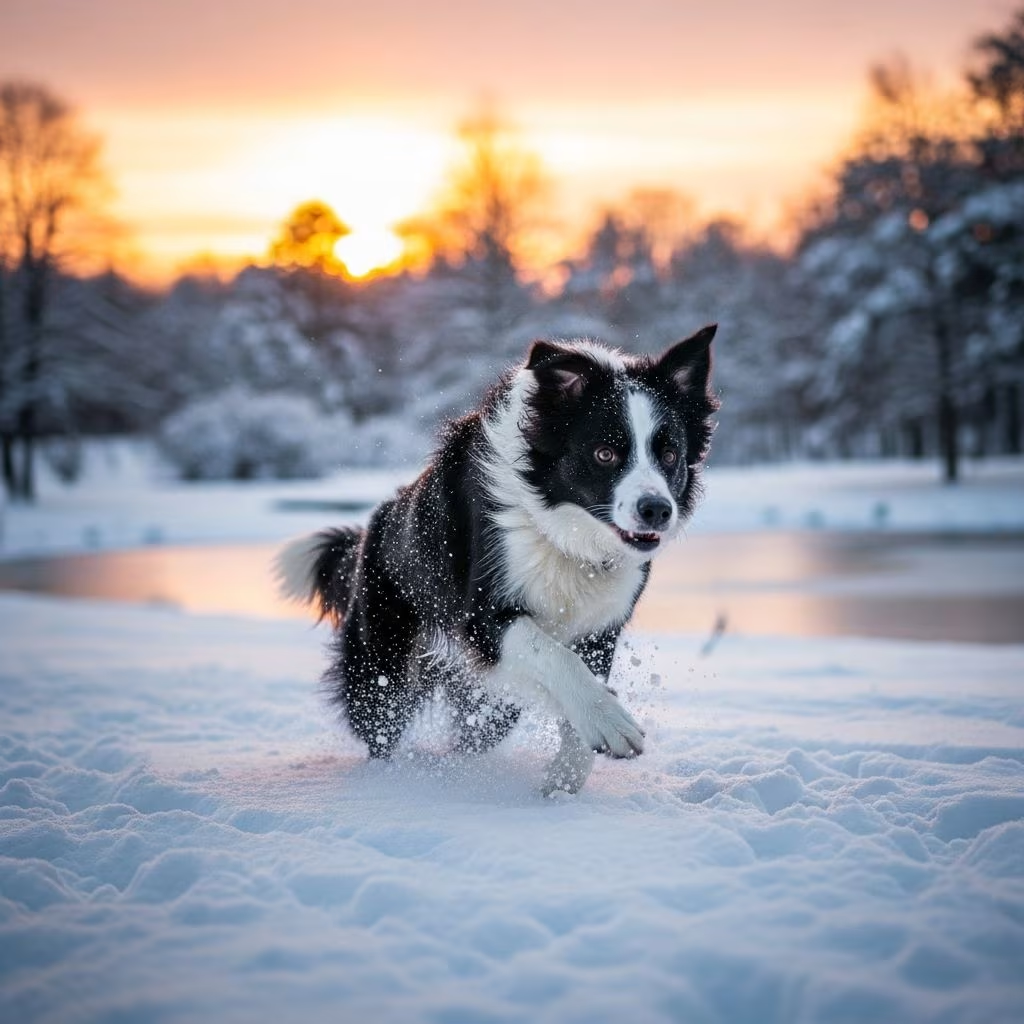
Keeping dogs active during winter prevents boredom, destructive behaviors, and weight gain. Cold weather limits outdoor time, but indoor alternatives provide physical exercise and mental engagement. This guide offers diverse activities suitable for various homes, breeds, and energy levels.
Understanding Your Dog’s Winter Needs
Dogs require consistent activity to stay healthy, regardless of season. Reduced outdoor access in winter can lead to lethargy or excess energy release indoors. Breeds with high energy, like Border Collies or Labs, need more stimulation than low-energy companions like Bulldogs. Factors such as age, size, and health influence activity choices—seniors benefit from gentle movements, while puppies thrive on play.
Consult a veterinarian before starting new routines, especially for dogs with joint issues or cold sensitivity. Aim for 30-60 minutes of daily activity, split into sessions. Combine physical exertion with brain games for balanced fitness.
Indoor Games to Burn Energy
Transform your living space into a playground with these simple, equipment-free games. They engage natural instincts like chasing and hunting.
- Hide and Seek Challenges: Command your dog to stay, then hide in another room. Call them to find you, rewarding success with treats. Progress to hiding toys for added difficulty.
- Tug-of-War Sessions: Use a sturdy rope toy for controlled pulling. Alternate winning to build strength and teach release on command, improving impulse control.
- Hallway Fetch Races: In a clear corridor, roll or toss soft toys for retrieval. Race your dog to increase excitement and cardio.
These games take 10-15 minutes and fit small apartments. Rotate toys to maintain interest.
Stair-Based Cardio Routines
Homes with stairs offer free cardio workouts. Supervise to prevent slips.
- Toss a toy upstairs or downstairs, encouraging pursuit.
- Walk alongside, matching pace for bonding.
- Add commands like ‘sit’ at each landing for obedience practice.
For variety, roll balls gently down steps. High-energy dogs can do 10-20 repetitions; limit seniors to 5. This builds endurance without outdoor exposure.
DIY Obstacle Courses at Home
Create custom agility setups using household items. These promote coordination and confidence.
| Item | Purpose | Safety Tip |
|---|---|---|
| Chairs or boxes | Tunnels or jumps | Pad sharp edges |
| Cushions or books | Platforms for balance | Use non-slip surfaces |
| Broom handles | Weaves or hurdles | Secure firmly |
Guide your dog through the course with treats and cheers. Time runs for competition feel. Disassemble after use to reclaim space. Ideal for medium to large rooms.
Strength-Building Exercises
Target muscles with targeted moves, especially for hindquarters prone to weakness in older dogs.
- Two Feet Up: Place front paws on a stable, low platform like stacked books. Reward holding position. Gradually increase height to stools or balance discs.
- Standing Leg Lifts: On a yoga mat, lift one back paw gently, marking with ‘yes’ and treating. Alternate paws for symmetry.
- Squat and Leap: Hold a toy low during your squats, then raise high to prompt jumps. Do 10 reps per set.
These low-impact exercises support joint health. Start slow, 5 minutes daily.
Treadmill and Running Alternatives
For runners, indoor treadmills simulate outdoor jogs. Introduce gradually: let dog stand off-machine first, then at low speeds with rewards.
No treadmill? Use flirt poles—lunge toys on ropes—for chase workouts in open areas. Practice leash running in halls to prepare for spring jogs.
Mental Stimulation Tricks
Brain games tire dogs as much as physical ones. Winter is perfect for skill-building.
- Trick Training: Teach spins, paws up, or rally obedience for AKC events. Use positive reinforcement.
- Find It Game: Hide treats around rooms, cueing ‘find it’ to sniff out.
- Puzzle Toys: Fill with kibble for problem-solving sessions.
Dedicate 15 minutes daily. Progress prevents boredom.
Relaxation Practices: Doga for Calm
Doga, or dog yoga, fosters flexibility and reduces anxiety. Use mats for partnered poses like gentle stretches or downward dog alongside yours.
Follow online tutorials, respecting injuries. Sessions of 10-20 minutes promote mindfulness for both.
Safe Outdoor Winter Options
When weather allows, bundle up for brief escapes. Short-haired breeds need coats; paw booties prevent ice burns.
- Snow mazes: Shovel paths for navigation puzzles.
- Shallow snow romps: Supervised rolling and jogging.
- Quick yard laps: Multiple 15-minute walks.
Limit to 10-20 minutes below freezing. Wipe paws post-outing.
Tailoring Activities by Dog Profile
| Dog Type | Recommended Activities |
|---|---|
| Puppies | Short fetch, basic tricks, gentle obstacles |
| Adults (High Energy) | Stairs, treadmill, flirt pole |
| Seniors | Doga, leg lifts, puzzle toys |
| Small Breeds | Hide and seek, hallway races |
Monitor for fatigue. Hydrate and rest as needed.
Nutrition and Recovery Tips
Active dogs burn more calories; adjust food accordingly. Post-exercise, provide water and cool-down walks. Massage sore muscles gently.
Common Mistakes to Avoid
- Overexertion in cold without warm-up.
- Ignoring breed-specific needs.
- Skipping supervision on stairs or courses.
- Forgetting mental alongside physical work.
Frequently Asked Questions
How often should I exercise my dog in winter?
Daily, 30-60 minutes split into 2-3 sessions, adjusted for age and health.
Are treadmills safe for all dogs?
Yes, with gradual training. Consult vets for orthopedic issues.
Can small apartments host these activities?
Absolutely—focus on games like hide and seek or tricks needing minimal space.
What if my dog hates indoor play?
Start with high-value treats; build positive associations over time.
Do senior dogs need winter exercise?
Yes, low-impact versions maintain mobility and mood.
Final Thoughts on Year-Round Fitness
Consistent winter routines ensure seamless transition to outdoor springs. Track progress in a journal for motivation. Your efforts yield a happier, healthier dog.
References
- 12 Indoor Exercises for Dogs When You Can’t Get Outside — PetMD. 2023-01-15. https://www.petmd.com/dog/general-health/indoor-exercises-for-dogs
- Keeping Your Dog Active in Winter: Indoor Exercise Ideas — Pet Assure. 2022-11-20. https://www.petassure.com/maxscorner/indoor-activities-and-winter-exercise-for-dogs/
- 6 Indoor Activities for Dogs to Keep Them Fit in Winter — Zoetis Petcare. 2024-02-10. https://www.zoetispetcare.com/blog/article/indoor-activities-dogs-winter
- 8 Ways to Exercise with Your Dog When It’s Too Cold to Go Outside — Wellness Pet Food. 2023-12-05. https://www.wellnesspetfood.com/blog/8-ways-to-exercise-with-your-dog-when-its-too-cold-to-go-outside/
- Safe Winter Exercise Ideas for Pets — Tranquility Veterinary. 2023-10-18. https://www.tranquilityvet.com/safe-winter-exercise-ideas-for-dogs-and-cats/



