

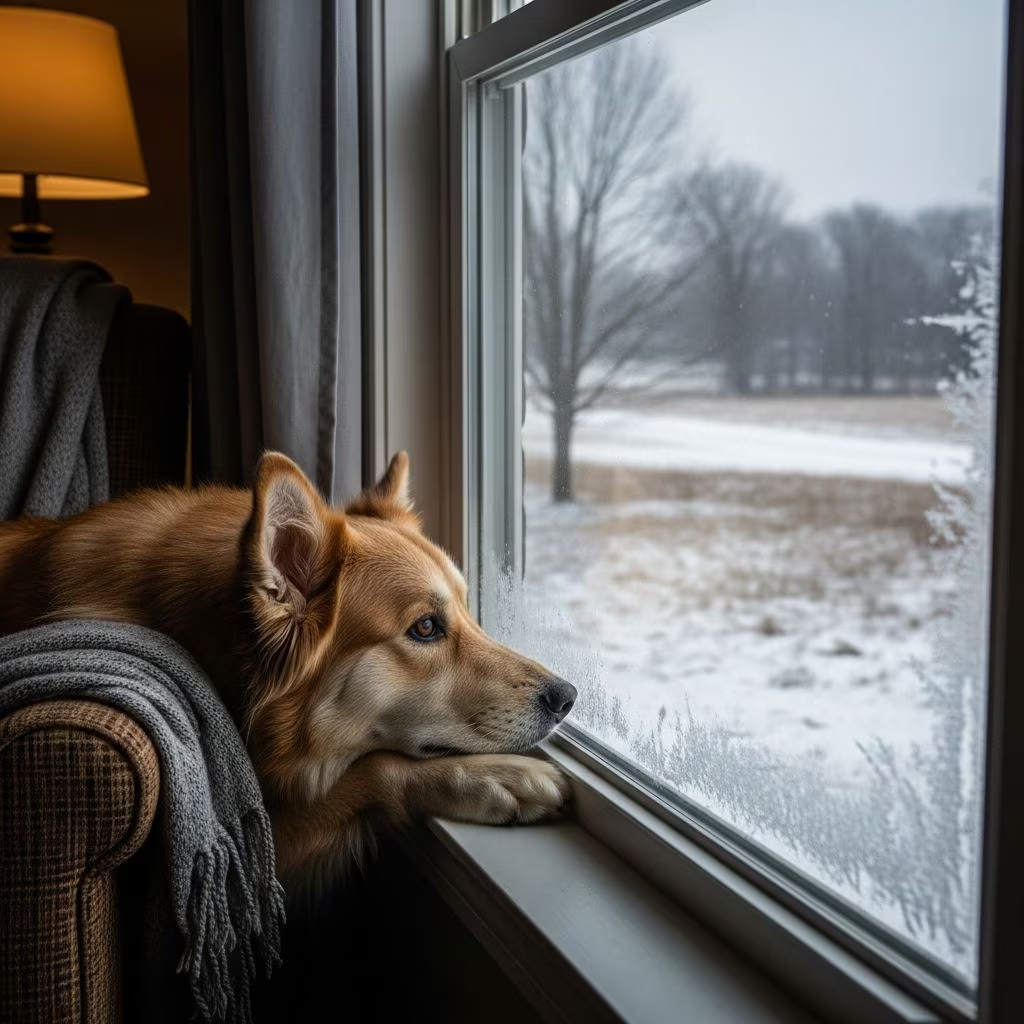
Dogs often show a marked reluctance to venture outside during winter, preferring the warmth indoors over snowy or icy conditions. This behavior stems from a mix of physical discomfort, environmental challenges, and emotional responses, making it essential for owners to understand and address these issues effectively.
Understanding Your Dog’s Winter Hesitation
When temperatures drop, many dogs transform from eager explorers to hesitant homebodies. This shift isn’t mere laziness; it’s a response to cold air biting at their paws, wet snow chilling their bellies, or unfamiliar slippery surfaces underfoot. Smaller breeds and those with thin coats feel the chill more acutely, while even hardy types may pause at the door.
Owners frequently report their pets squatting briefly outside before bolting back inside, or refusing to eliminate altogether until desperation sets in. Such patterns disrupt housetraining and limit exercise, potentially leading to indoor accidents or pent-up energy.
Physical Discomfort: The Cold’s Impact on Dogs
Cold weather directly affects a dog’s body, starting with their exposed paws and underbelly. Ice and snow can cause frostbite on paw pads, while rock salt used on sidewalks irritates skin and is toxic if licked off. Wet fur loses insulation, exacerbating the chill.
- Paw Sensitivity: Sensitive pads crack on frozen ground, causing pain with each step.
- Belly Chill: Low-bellied dogs like Dachshunds touch snow with their fur, leading to rapid cooling.
- Joint Stiffness: Older dogs or those with arthritis experience worsened pain in cold, damp conditions.
For breeds with short fur, the lack of natural insulation heightens vulnerability, prompting them to seek human warmth instead.
Environmental Barriers in Winter
Beyond personal discomfort, the winter landscape poses obstacles. Deep snow buries familiar potty spots, wind howls intimidatingly, and darkness from shorter days adds unease. Slippery ice makes walking treacherous, especially for puppies or seniors.
| Winter Challenge | Impact on Dogs | Quick Fix |
|---|---|---|
| Snow Accumulation | Buried elimination areas | Clear a dedicated path daily |
| Icy Surfaces | Slipping risk | Use booties or grit for traction |
| Short Days | Reduced visibility | LED collars and headlamps |
| Cold Winds | Increased chill factor | Windproof coats |
These factors compound, turning a simple potty break into an ordeal.
Psychological Factors: Anxiety and Routine Disruptions
Winter alters routines, breeding anxiety. Fewer walks mean less socialization, leading to restlessness. Noises like plows or howling winds startle sensitive dogs, associating outdoors with stress. Boredom from indoor confinement amplifies clinginess, as dogs turn to owners for stimulation.
Seasonal affective changes from diminished sunlight disrupt circadian rhythms, mirroring human winter blues. This unease manifests as doorway standoffs or indoor pacing.
Health-Related Reluctance
Underlying conditions flare in cold weather. Arthritis sufferers stiffen up, refusing movement. Urinary issues make holding it longer indoors tempting. Pain from chronic problems, unnoticed until winter slows activity, builds into avoidance.
Consult a vet if reluctance persists; they can rule out infections or mobility issues exacerbated by chill.
Practical Solutions for Winter Potty Breaks
Overcoming hesitation requires proactive setup. Start by creating a winter-friendly outdoor zone.
- Designate a Sheltered Spot: Erect a simple lean-to or use a tarp over a dirt patch, kept snow-free. This blocks wind and provides familiarity.
- Maintain Access: Shovel a straight path to minimize exposure time.
- Accompany Initially: Leash-walk to the spot on schedule, praising successes to rebuild positive associations.
For extreme cold, gear up: Coats insulate torsos, booties protect paws. Introduce gradually with treats to ensure acceptance.
Indoor Alternatives for Extreme Weather
When outdoors is impossible, indoor options prevent accidents.
- Puppy Pads or Artificial Turf: Place in a low-traffic area; scent with prior urine to encourage use.
- Litter Boxes: Large ones with absorbent litter work for some, especially apartment dwellers.
- Bathroom Stalls: Easy cleanup in showers or tubs for quick training.
Combine with frequent door prompts to transition back to outdoors when possible.
Boosting Indoor Exercise and Mental Stimulation
To combat boredom, enrich indoors.
- Tug games, puzzle toys filled with kibble.
- Hide-and-seek with treats around furniture.
- Short indoor fetch using soft toys.
- Training sessions for tricks, rewarding with play.
Aim for 15-30 minutes multiple times daily to burn energy and reduce clinginess.
Training Techniques to Encourage Outdoor Time
Positive reinforcement rebuilds confidence.
Step-by-Step Desensitization:
- Feed meals at the door, associating it with positivity.
- Open door briefly, treat for calm stays.
- Step out together for seconds, building duration.
- Practice in mild weather to carry over habits.
Use high-value rewards like meat bits. Consistency across family members prevents confusion.
Breed-Specific Winter Considerations
Not all dogs face equal challenges.
| Breed Type | Cold Tolerance | Recommended Gear |
|---|---|---|
| Small/Short-haired (e.g., Chihuahua) | Low | Full coat, booties | Short-legged (e.g., Corgi) | Medium | Belly cover, paw protection |
| Large/Thick-coated (e.g., Husky) | High | Minimal, just booties if salted paths |
| Seniors/Arthritic | Variable | Joint supplement, warm coat |
Tailor strategies to your dog’s profile.
FAQs: Winter Dog Outdoor Reluctance
Why does my dog suddenly hate going out in winter?
Cold paws, snow discomfort, and anxiety from changes like shorter days are primary culprits. Assess for pain too.
Are dog boots effective?
Yes, when fitted well and conditioned to; they prevent ice melt and salt irritation.
Can I train my adult dog to use indoor pads?
Absolutely, with patience and scent cues. Many succeed in harsh winters.
What if my dog has accidents indoors?
Clean thoroughly to remove scents, stick to routines, and rule out medical issues via vet check.
How much exercise do dogs need in winter?
Maintain breed-typical levels through indoor/outdoor mix; aim for 30-60 minutes daily split into sessions.
Long-Term Strategies for Year-Round Resilience
Prepare pre-winter: Gradually expose to cold via short outings, stock gear, and vet-check joints. Monitor weight from reduced activity; adjust diet. These steps ensure your dog stays happy and housetrained through seasons.
References
- Why Dogs Are Clingy in Winter: 4 Surprising Reasons Your Pup … — OLK9 Iowa. 2023. https://olk9iowa.com/why-dogs-are-clingy-in-winter/
- Dog Not Wanting to Go Outside — Advanced Pet Care of Clear Lake. 2023. https://advancedpetcareofclearlake.com/blog/dog-not-wanting-to-go-outside/
- Is Your Dog Reluctant to “Go” Outside in Winter? — Whole Dog Journal. 2023. https://www.whole-dog-journal.com/training/is-your-dog-reluctant-to-go-outside-in-winter/
- Why Winter Makes Your Dogs Behavior Worse — YouTube (Video Transcript). 2023. https://www.youtube.com/watch?v=Ha2y14q9Uy4
- My Dog Hates The Cold! Here’s What To Do… — PetLab Co. 2023. https://thepetlabco.com/learn/blog/why-do-dogs-hate-rain



