
Winter Wardrobe for Dogs: Essential Cold Weather Gear
Equip your dog with the right coats, boots, and accessories to thrive in freezing temperatures while staying comfortable and safe outdoors.
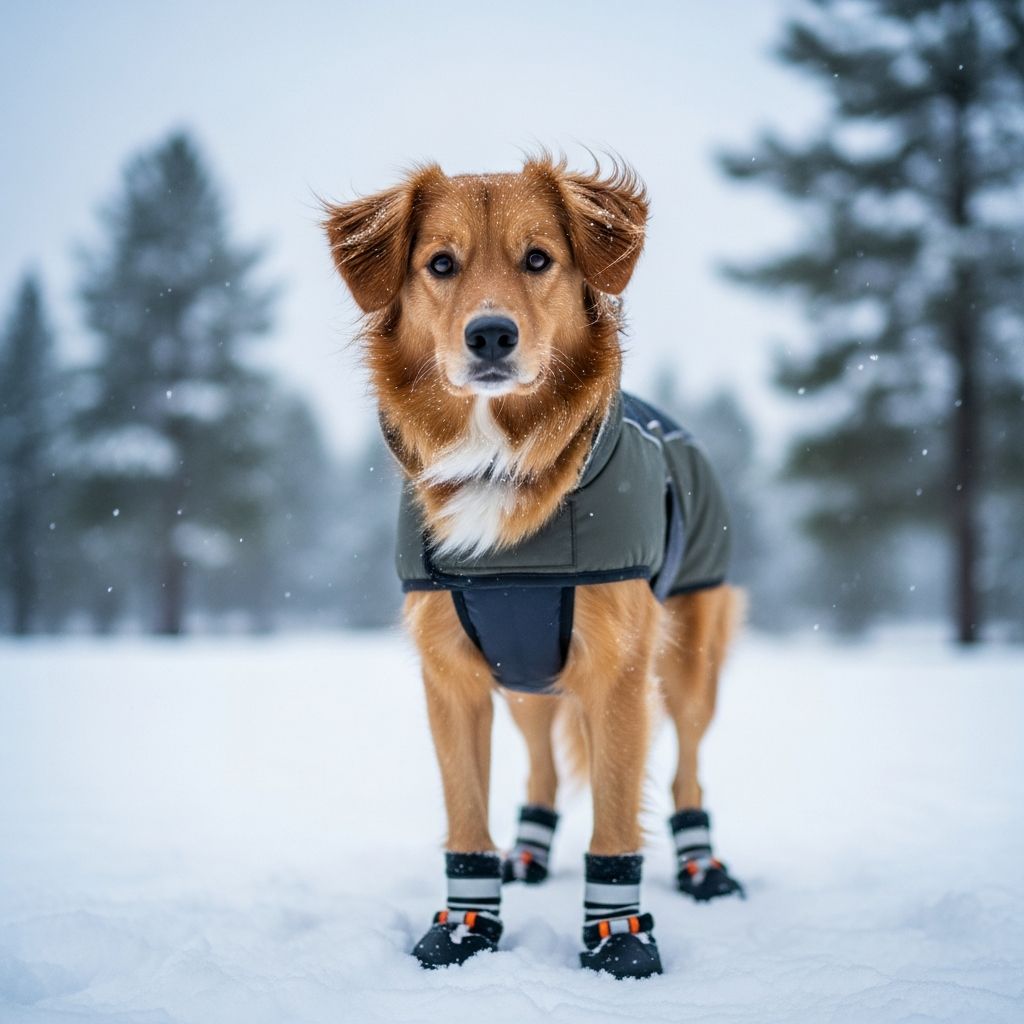
Protecting dogs from harsh winter conditions requires thoughtful selection of apparel and accessories. Factors like breed type, body size, activity level, and local climate determine the best gear to prevent hypothermia, frostbite, and discomfort.
Understanding When Your Dog Needs Protection
Dogs vary in cold tolerance based on coat thickness, size, and age. Small breeds under 20 pounds often require gear above 45°F (7°C), while medium dogs (20-60 pounds) may need it between 32°F and 45°F (0°C to 7°C). Large dogs over 60 pounds typically manage until below 20°F (-7°C), but wind chill and wetness amplify risks for all.
Short-haired or single-coated breeds like Labradors, Pugs, and Greyhounds lose heat faster and benefit from clothing at milder temperatures. Double-coated northern breeds such as Huskies or Malamutes often fare well without extras, even subzero, unless paws need shielding.
| Temperature Range | Small Dogs (<20 lbs) | Medium Dogs (20-60 lbs) | Large Dogs (>60 lbs) |
|---|---|---|---|
| Above 45°F (7°C) | Monitor comfort | Usually fine | No clothing needed |
| 32-45°F (0-7°C) | Clothing recommended | Consider for extended time | Usually fine |
| 20-32°F (-7-0°C) | Clothing required | Clothing recommended | Monitor comfort |
| Below 20°F (-7°C) | Limit time + clothing | Clothing required | Consider for extended time |
Adjust for wet snow or wind, which can drop effective temperatures significantly. Puppies, seniors, and dogs with health issues like arthritis need earlier intervention.
Types of Winter Coats and Jackets
Coats range from lightweight fleeces for brisk days to heavy insulated parkas for blizzards. Key features include waterproof shells, windproofing, and warm linings like fleece or synthetic fill.
- Lightweight Jackets: Ideal for 32-45°F walks; breathable fleece keeps active dogs cozy without overheating.
- Insulated Parkas: Quilted exteriors with thick linings suit sub-freezing temps; chest closures seal out wind.
- Snowsuits/Bodysuits: Full coverage for legs and belly protects small or thin-coated dogs from snow buildup and ice balls.
For double-coated breeds, unlined water-resistant suits retain natural warmth without overheating. Layering fleece under suits adds versatility on extreme days.
Tailoring Gear to Your Dog’s Breed and Size
Match apparel to physical traits. Small short-haired dogs like Chihuahuas thrive in parkas with sherpa linings and faux down. Barrel-chested giants like Rottweilers need expandable sizes with reflective accents for visibility.
- Short-haired: Thermal suits or parkas with foil linings.
- Double-coated: Lightweight slush suits or expedition coats.
- Hairless/Lean: Bodysuits covering legs fully.
Prioritize belly coverage, as dogs’ proximity to cold ground increases vulnerability there.
Protecting Paws: Boots and Alternatives
Paws suffer from ice melt, sharp ice, and snow packing. Boots with rugged soles prevent cracks and chemical burns; hairy paws may need booties to avoid ice balls.
- Quick potty breaks: Optional for hardy dogs.
- Walks near de-icers: Mandatory boots.
- Prolonged activity: Insulated boots plus coats for low-risk dogs.
Alternatives like legging socks suit playful pups, while musher breeds may go bare but benefit from paw wax.
Fitting Winter Gear Properly
Ill-fitting clothes restrict movement or expose skin. Measure from neck base to tail base, plus girth at widest point. Snug but non-binding fit allows two fingers under straps; adjustable velcro ensures security.
Train with positive rewards: Start indoors, pair with treats. Ventilation keeps heat-regulating areas (paws, ears, nose) free.
Activity-Based Gear Recommendations
Tailor to outings:
- Short Potty Breaks (32-45°F): Coat for vulnerable dogs; naked okay for others briefly.
- Daily Walks: Waterproof coat + boots if icy.
- High-Energy Play: Breathable jacket + boots.
- Stationary/Station Waits: Insulated full suit + blanket.
Safety Tips and Health Monitoring
Never leave dressed dogs unattended outside; cars pose hypothermia risks even with gear. Watch for shivering, hunched posture, or paw limping—bring indoors immediately.
For frostbite suspicion, warm slowly with lukewarm water and vet promptly. Limit exposure below 20°F for at-risk dogs.
FAQs
Do all dogs need winter coats?
No, northern breeds often don’t, but small, short-haired, or senior dogs do below 45°F.
How do I know if the coat fits?
It should cover belly to mid-back snugly, allow free movement, and have adjustable straps.
Are dog boots necessary?
Yes for salted roads or snow; they prevent irritation and ice buildup.
Can dogs overheat in winter gear?
Choose breathable materials and monitor; remove if panting excessively.
What if my dog hates wearing clothes?
Gradual training with treats helps acclimation.
Choosing Quality Materials
Opt for water-resistant nylon shells, fleece or Thinsulate linings, and reflective strips. Avoid cheap fabrics that tear or retain moisture.
References
- Winter Dog Gear Guide: Coats, Boots & Safety — Halo Collar Blog. 2023. https://www.halocollar.com/blog/dog-products/winter-dog-gear/
- How to Dress Your Dog for Winter Weather Based on Their Breed — Canada Pooch. 2023. https://canadapooch.com/blogs/news/dog-winter-clothes-by-breed
- Winter Clothing Guide for Dogs — AERC MN. 2024. https://www.aercmn.com/blog/winter-clothing-guide-for-dogs/
- How should I dress your dog for winter? — Chilly Dog Sweaters. 2023. https://chillydogsweaters.com/faq/how-should-you-dress-your-dog-for-winter/
- Does My Dog Need a Winter Coat? — American Kennel Club (AKC). 2024-01-15. https://www.akc.org/expert-advice/lifestyle/dog-winter-coat/
- Winter Dog Outfits: Does Your Pet Actually Need One? — Fitwarm. 2024. https://www.fitwarm.com/blogs/news/dog-winter-outfits-safety-guide
Similar Articles








Read full bio of medha deb




