Winter Survival Guide For Outdoor Cats: Shelter, Food, Water
Essential strategies to protect community cats from freezing temperatures, including DIY shelters, feeding routines, and health safeguards for harsh winters.
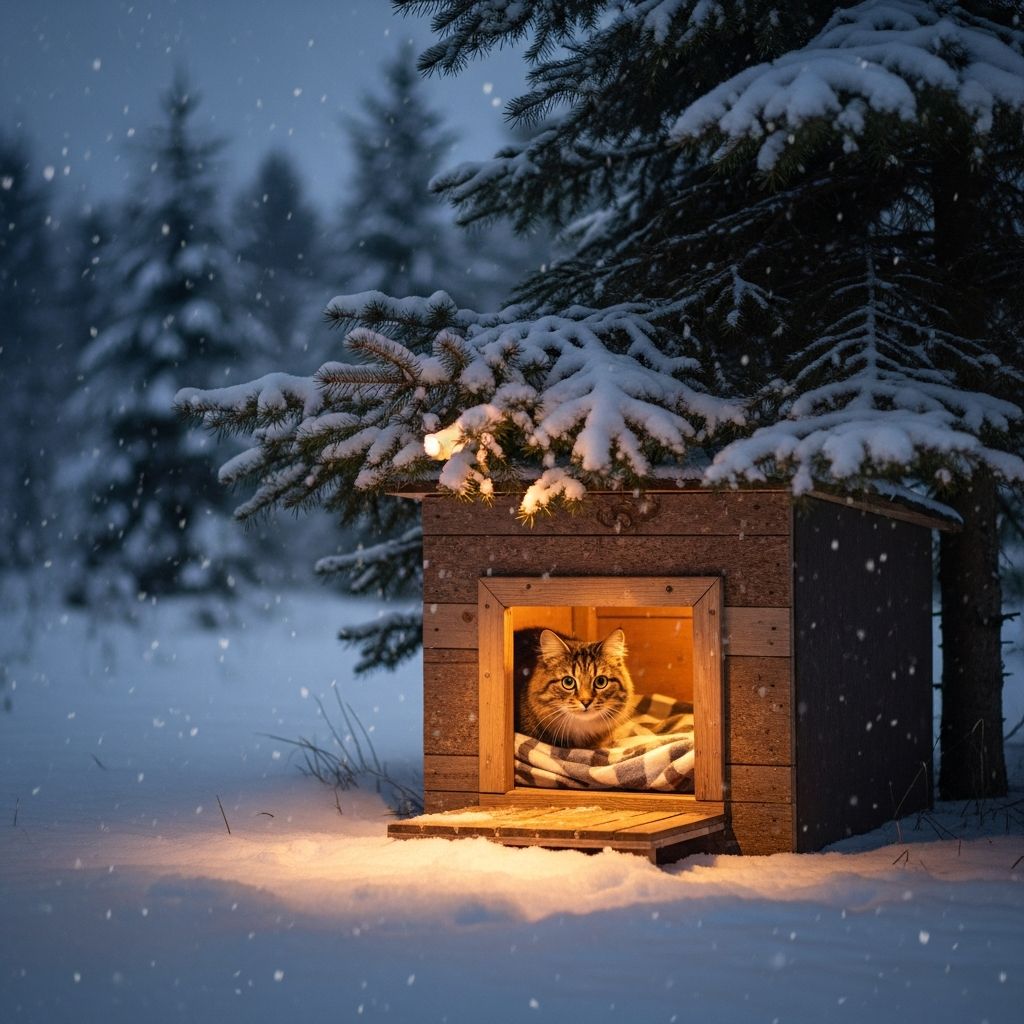
Winter Survival Guide for Outdoor Cats
Outdoor cats, often called community or feral cats, face severe challenges during cold months. Their natural fur thickens for insulation, but extreme weather demands human intervention to prevent hypothermia, frostbite, and dehydration. This guide outlines effective measures to support these resilient animals through winter, drawing from established animal welfare practices.
Understanding Winter Risks for Feral Felines
Community cats maintain body temperatures above 90°F to avoid hypothermia, but temperatures below 30°F pose immediate threats without shelter. Snow, wind, and ice exacerbate risks, leading to paw injuries, frozen water sources, and increased caloric needs for thermoregulation. Cats seek warm spots like car engines, heightening accident dangers. Proactive care focuses on shelter, nutrition, hydration, and hazard avoidance.
Designing Effective Insulated Shelters
DIY shelters mimic natural dens, trapping body heat efficiently. Key principles include strong insulation, minimal interior space, elevated positioning, and weatherproofing.
- Materials for Sturdy Construction: Use plastic storage bins or coolers (minimum 1.5-inch thick walls) for durability. Line interiors with Styrofoam sheets cut to fit snugly, creating a double-walled effect.
- Doorway Specifications: Cut a 5-6 inch diameter hole, elevated 4-6 inches from the base to block rain and snow. Add a flap from heavy plastic or a pet door for wind protection.
- Insulation Choices: Fill with straw, which repels moisture unlike hay, blankets, or towels that retain water and freeze. Layer Mylar emergency blankets under straw to reflect heat.
- Placement Tips: Elevate on pallets or 2×4 wood blocks off damp ground. Position entrances away from prevailing winds, facing walls to deter predators. Cover with plywood roofs and plastic awnings for rain deflection.
For multi-cat colonies, build clustered shelters to share warmth. Regularly inspect for damage, adding fresh straw as it compresses.
Step-by-Step Shelter Build Table
| Step | Action | Materials Needed |
|---|---|---|
| 1. Base Prep | Select bin and elevate platform | Plastic bin, pallets/2x4s |
| 2. Insulation Layer | Cut and insert Styrofoam | Styrofoam sheets, box cutter |
| 3. Inner Bin | Fit smaller bin inside | Second bin, straw |
| 4. Door & Seal | Cut aligned holes, seal lid | Heavy-duty adhesive, Gorilla Tape |
| 5. Weatherproof | Add roof, awning, flap | Plywood, plastic sheeting |
Nutrition Boosts for Cold Weather Endurance
Cats burn more calories staying warm, requiring 20-50% extra food in winter. Establish consistent feeding stations to minimize exposure time.
- Station Design: Build enclosed areas with roofs and walls, elevated off ground. Use dark, double-walled bowls to retain heat.
- Food Types: Offer larger portions of high-protein dry or warmed canned food. Avoid wet food prone to freezing unless heated.
- Caloric Increase: Monitor intake; underfed cats lose weight rapidly. Supplement with kitten food for density if needed.
Post-storm, clear paths to stations and shelters.
Preventing Dehydration in Freezing Conditions
Cats dehydrate faster in dry cold air despite reduced activity. Frozen bowls lead to neglect.
- Daily Checks: Refresh water twice daily with warm liquid. Use solar-heated or microwavable pad bowls.
- Anti-Freeze Methods: Dark bowls absorb sun; running water from spigots resists icing. Insulate dish undersides with foam.
- Alternatives: Heated pet bowls (Lectro/K&H brands) or fountains prevent solidification.
Safety Measures Against Winter Hazards
Beyond basics, address environmental threats.
- Chemical Avoidance: Skip salt, antifreeze, and ice-melters toxic to paws and if ingested. Use sand for traction.
- Snow Management: Shovel entrances post-snowfall to prevent entrapment.
- Vehicle Vigilance: Tap hoods before starting engines; cats hide in warm compartments.
- Health Monitoring: Watch for limping (frostbite), lethargy, or weight loss. Trap-Neuter-Return (TNR) reduces breeding stress.
Enhancing Comfort with Heat Sources
For severe climates, add safe warmth.
- Pet-Safe Pads: Low-watt outdoor heating pads or beds maintain 85-100°F.
- Installation: Secure inside shelters, avoiding chew risks. Pair with straw for retention.
Test setups in mild weather for functionality.
Seasonal Routines and Community Involvement
Success relies on routine.
- Weekly Tasks: Refresh bedding, clean stations, inspect shelters.
- Colony Care: Coordinate with neighbors for coverage during absences.
- Long-Term: Advocate TNR to stabilize populations, easing winter demands.
Frequently Asked Questions
Can outdoor cats survive sub-zero temperatures?
Yes, with proper insulated shelters and ample food; their body heat warms confined spaces effectively.
What’s the best bedding for cat shelters?
Straw excels at moisture repulsion; avoid absorbent fabrics.
How often to feed winter outdoor cats?
Twice daily minimum, more if very cold, with extra calories.
Are heated bowls safe for feral cats?
Pet-specific models are; ensure chew-proof cords.
What if a cat seems injured in winter?
Contact local rescuers for humane trapping and vet care.
Implementing these strategies transforms winter from peril to manageable season for outdoor cats. Consistent effort yields healthier colonies.
References
- How to Help Outdoor Cats in Winter — Best Friends Animal Society. 2023-10-15. https://bestfriends.org/pet-care-resources/how-help-outdoor-cats-winter
- Cold Weather Tips for Cats — Alley Cat Allies. 2024-11-20. https://www.alleycat.org/resources/cold-weather-tips-for-cats/
- Top Ten Tips: Caring For Community Cats in Winter — ASPCApro. 2023-12-05. https://www.aspcapro.org/resource/top-ten-tips-caring-community-cats-winter
- Help Outdoor Cats Keep Warm This Winter — Animal Humane Society. 2024-01-10. https://www.animalhumanesociety.org/resource/help-outdoor-cats-keep-warm-winter
- Community Cat Winter Tips and Shelter Building — Nevada Humane Society. 2023-11-28. https://nevadahumanesociety.org/insights/community-cat-winter-tips-and-shelter-building/
Similar Articles








Read full bio of Sneha Tete