
Winter Survival Guide for Outdoor Cats
Essential strategies to protect stray, feral, and outdoor cats from freezing temperatures, hidden dangers, and winter hardships.
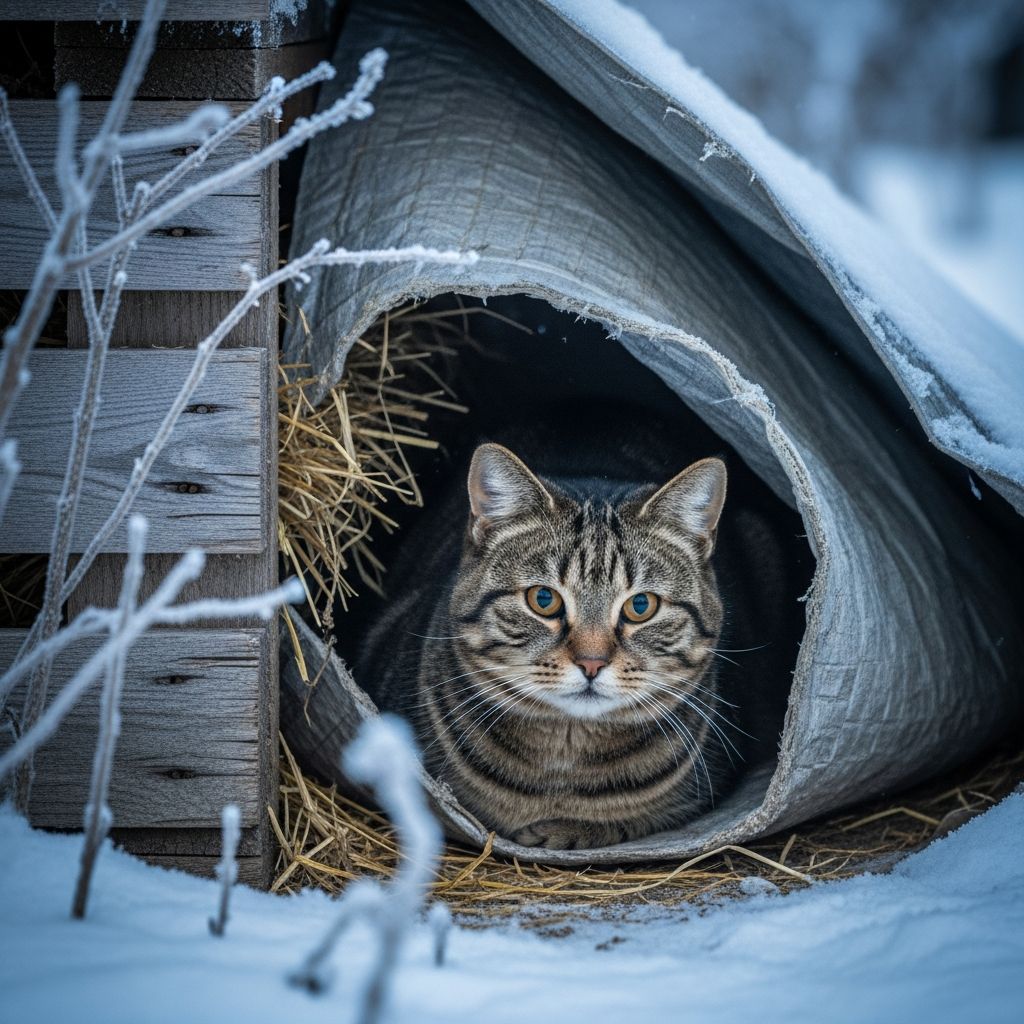
Outdoor cats, whether community strays or cherished pets that roam, face severe risks during winter months. Low temperatures, snow accumulation, and reduced daylight hours can threaten their health and survival. This guide provides practical, evidence-based advice to help caregivers create safe environments, drawing from veterinary and humane organization recommendations.
Understanding Winter Vulnerabilities in Feline Physiology
Cats possess a thick undercoat that offers some insulation against cold, but prolonged exposure below freezing can lead to hypothermia, frostbite, and weakened immunity. Stray and feral populations are particularly at risk without human intervention, as they seek warmth in hazardous spots like vehicle engines. Providing targeted support improves their resilience.
Key physiological adaptations include increased caloric needs—up to 30% more food intake—to maintain body heat. Dehydration risks rise as cats conserve energy, and paw pads suffer from ice melt chemicals. Proactive measures address these issues effectively.
Building Effective Insulated Shelters
A well-designed shelter is the cornerstone of winter cat care. It must retain body heat while allowing air circulation to prevent moisture buildup.
- Size matters: Opt for compact designs fitting 2-3 cats to trap heat efficiently; larger spaces lose warmth quickly.
- Elevation is essential: Raise shelters 4-6 inches off the ground using bricks or pallets to block rising dampness and cold.
- Entry protection: Small doorways (6-8 inches wide) deter predators; add flaps or position facing a wall to block wind and snow.
DIY Shelter Construction Guide
Transform everyday materials into durable havens. Start with a sturdy plastic bin or Styrofoam cooler, cutting entry holes on opposite ends for cross-ventilation.
- Cut two 7×7 inch entrances, one per end.
- Line interiors with Mylar emergency blankets to reflect radiant heat back to the cats.
- Fill with 4-6 inches of straw—never hay, blankets, or towels, as they retain moisture and promote mold.
- Seal cracks with foam or duct tape; top with a sloped roof using plywood for snow runoff.
- Anchor securely against wind.
Regular inspections ensure dryness; refresh straw weekly and clear snow from entrances after storms.
Nutrition and Hydration Strategies
Cold weather boosts metabolism, demanding more calories. Increase wet food portions by 20-50% and offer high-protein dry kibble for energy.
| Challenge | Solution | Benefits |
|---|---|---|
| Freezing water | Heated bowls or insulated stations with roofs | Prevents dehydration; maintains access |
| Increased hunger | Multiple daily feedings; sheltered stations | Sustains energy; reduces scavenging risks |
| Contamination | Pet-safe deicers; daily cleaning | Avoids toxin ingestion; paw protection |
Position feeding areas away from shelters to avoid attracting wildlife. Check twice daily, especially in sub-zero conditions.
Preventing Vehicle-Related Injuries
Cats instinctively crawl into warm engine compartments or wheel wells during cold snaps, leading to burns, crush injuries, or fatalities. This is a leading winter hazard for outdoor felines.
- Pre-drive ritual: Bang on the hood and honk the horn; peer underneath with a flashlight, including tire areas.
- Park strategically: Use garages when possible; avoid idling in cat-prone spots.
- Community awareness: Share reminders via neighborhood groups.
One simple habit—knocking before starting—can save lives, as engines retain heat attracting desperate animals.
Safeguarding Against Chemical and Environmental Hazards
Deicing salts cause paw burns and gastrointestinal issues if ingested during grooming. Switch to sand, gravel, or pet-safe melts like calcium magnesium acetate.
Antifreeze, with its sweet taste, is lethally toxic; store securely and clean spills immediately. Wipe returning cats’ paws with damp cloths to remove residues.
Reflective collars or GPS trackers enhance visibility in fog and early dusk, but use breakaway designs to prevent snags on fences.
Trap-Neuter-Return (TNR) During Cold Seasons
TNR stabilizes populations and improves health, making cats hardier against winter stresses. However, extreme cold complicates procedures.
- Timing: Trap on mild days above 40°F (4°C); avoid nights below freezing.
- Monitoring: Check traps every 15-30 minutes; cover with towels for stress reduction.
- Recovery: Use heated recovery spaces; release only when fully alert and weather permits.
Organizations like Alley Cat Allies provide protocols: delay if storms loom, prioritizing cat welfare.
Advanced Protection Measures
For dedicated caregivers, consider self-heating mats powered by low-voltage solar panels, placed inside shelters. Cat flaps on sheds allow indoor-outdoor access for semi-feral cats.
Humidifiers indoors benefit cats transitioning inside, preventing dry skin. Track colonies via apps for consistent monitoring.
Frequently Asked Questions (FAQs)
What bedding is best for outdoor cat shelters?
Straw is ideal as it insulates without absorbing moisture; avoid hay or fabrics.
How often should I feed winter outdoor cats?
Twice daily minimum, more if temperatures drop below 20°F (-7°C).
Can feral cats be brought indoors in winter?
Possible with slow socialization, but many prefer managed outdoor setups.
Is TNR safe in snow?
Only during thaws; prepare insulated holding areas.
What if I spot a cat in my engine bay?
Shut off the car, wait 30 minutes, then gently encourage exit without force.
Long-Term Community Colony Management
Sustainable care involves volunteers rotating duties: shelter maintenance, feeding logs, and vet check partnerships. Apps like Feeding Station Trackers aid coordination. Educate neighbors on car checks and toxin avoidance to broaden impact.
Winter survival hinges on collective action—simple interventions yield profound results for vulnerable felines.
References
- How to Keep Outdoor Cats Warm and Safe in Winter — Birdsbesafe. 2023-10-15. https://www.birdsbesafe.com/blogs/news/how-to-keep-outdoor-cats-warm-safe-winter
- Outdoor Cats in the Winter — FOUR PAWS USA. 2024-01-08. https://www.fourpawsusa.org/our-stories/publications-guides/outdoor-cats-in-the-winter
- Cold Weather Tips for Cats — Alley Cat Allies. 2023-11-20. https://www.alleycat.org/resources/cold-weather-tips-for-cats/
- Winter Tips to Keep Your Outdoor Cat Safe — Just Cats Clinic. 2024-12-05. https://justcatsclinic.com/winter-tips-to-keep-your-outdoor-cat-safe/
- Cold Weather Tips for Your Feral Friend — North Shore Animal League. 2023-09-12. https://www.animalleague.org/blog/advice/cold-weather-tips-for-feral-cats/
- Help Outdoor Cats Keep Warm This Winter — Animal Humane Society. 2024-02-14. https://www.animalhumanesociety.org/resource/help-outdoor-cats-keep-warm-winter
Similar Articles








Read full bio of medha deb




