

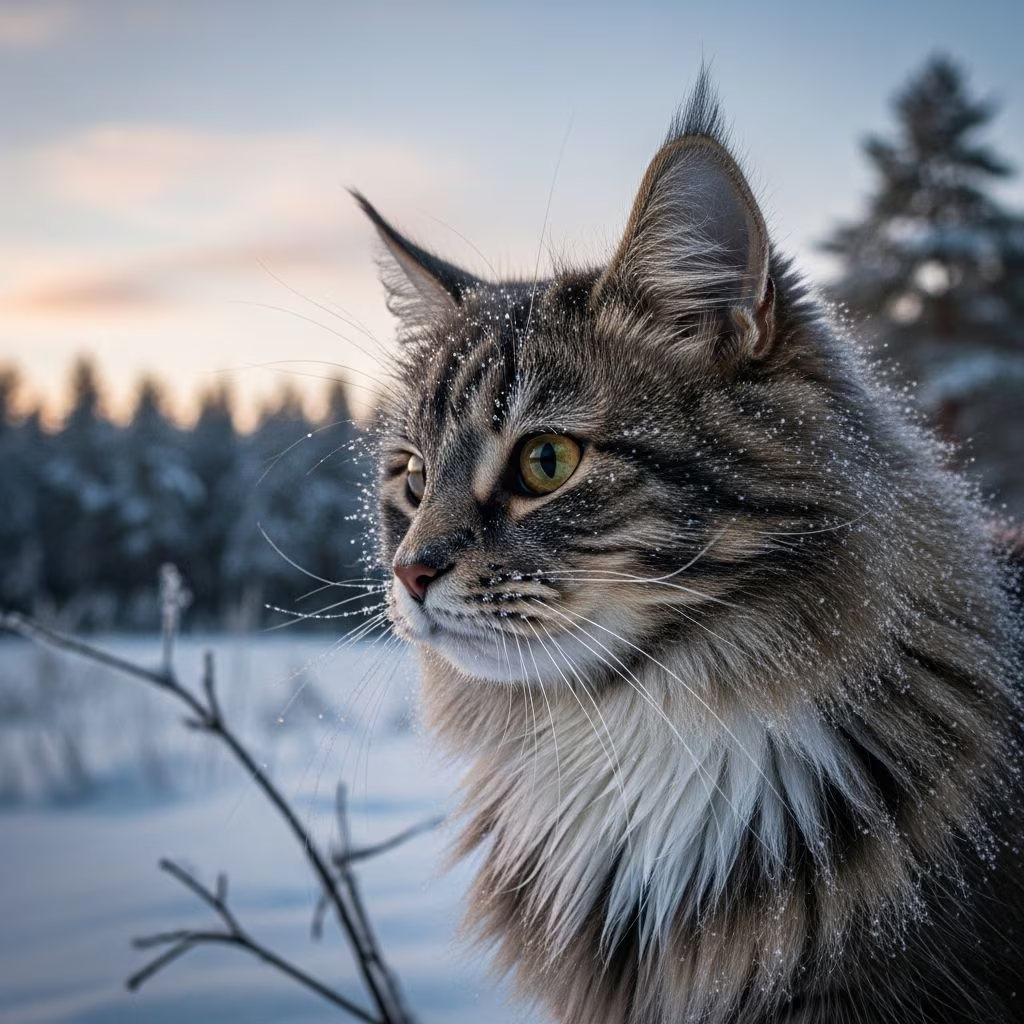
Outdoor cats, including feral and stray populations, confront extreme challenges during cold months when temperatures plummet. These resilient animals possess natural mechanisms to conserve heat, but human intervention significantly enhances their chances of making it through unscathed. This guide explores their physiological adaptations, practical shelter solutions, nutrition strategies, hydration methods, and essential safety protocols to support community cats effectively.
Natural Ways Cats Cope with Freezing Conditions
Cats have evolved remarkable physiological traits that aid survival in low temperatures. Their dense fur acts as insulation, trapping body heat close to the skin. In severe cold, they curl into tight balls to minimize exposed surface area, reducing heat loss. whiskers and paw pads may thicken as a protective layer against frost.
These felines also seek microclimates like engine compartments or dense foliage for warmth. However, such spots pose risks, underscoring the value of dedicated shelters. Increased caloric intake becomes crucial as metabolism ramps up to generate internal heat, demanding up to 30% more energy in sub-zero weather.
Building Effective Insulated Shelters
Providing a dry, windproof refuge is paramount for outdoor cats. Simple DIY designs using readily available materials can outperform commercial options in customization. Opt for compact enclosures—no larger than necessary—to leverage the cats’ body heat for warmth retention.
- Materials needed: Plastic storage bins (18-20 gallon size), straw bedding, plywood for roofing, and pet-safe insulation foam.
- Cut a 6-inch diameter entry hole 1-2 inches from the base on the long side, ideally two holes for escape routes in predator-prone areas.
- Line the interior with several inches of straw, which repels moisture unlike blankets or hay that retain dampness and chill.
- Elevate on pallets or bricks to avoid ground moisture; position in sunny, wind-sheltered spots facing south.
Enhance protection by angling plywood roofs for runoff and adding plastic awnings over entrances. For added warmth, incorporate low-watt pet heating pads from brands like K&H or Lectro, ensuring chew-proof cords.
| Shelter Type | Pros | Cons | Best For |
|---|---|---|---|
| Styrofoam Cooler | Lightweight, excellent insulation | May degrade outdoors | Small colonies |
| Plastic Tote Bin | Durable, waterproof | Heavier to move | Harsh weather areas |
| Wooden Box | Customizable size | Requires sealing | Larger groups |
Nutrition Strategies for Cold Weather
Winter demands heightened nutrition to fuel thermoregulation. Cats burn calories rapidly to maintain core temperature, necessitating larger portions of high-energy food. Establish fixed feeding stations to minimize exposure time in the elements.
- Design covered stations with roofs and walls, elevated off ground for warmth retention.
- Prioritize dry kibble supplemented with kitten formula for extra calories; warm canned food before serving to entice eating.
- Increase portions by 20-30% during freezes; feed multiple times daily if possible.
Avoid over-reliance on wet food at night due to freezing risks, unless using heated bowls. Clean stations regularly to prevent disease spread in confined winter groups.
Ensuring Reliable Access to Water
Dehydration poses a silent threat as cats consume less frozen water. Combat this with proactive measures to keep liquid available.
- Use heated or double-walled bowls placed in sunny locations; dark colors absorb heat better.
- Refill twice daily with warm water; microwave-safe pads under bowls provide residual warmth.
- Solar-powered heaters or running spigots prevent full freezing in milder colds.
Insulate bowls with spray foam exteriors for DIY solutions. Monitor intake, as reduced hydration exacerbates hypothermia risks.
Safety Measures to Prevent Winter Hazards
Beyond basics, vigilance averts common dangers. Cats often hide in warm car engines, risking injury.
- Tap hoods and check under vehicles before starting; honk horns in feral-heavy areas.
- Secure antifreeze and toxic de-icers; opt for pet-safe alternatives like sand for traction.
- Shovel paths to shelters post-snowfall; add reflective markers for visibility to plows.
Implement Trap-Neuter-Return (TNR) programs to stabilize colonies, reducing births in vulnerable seasons and curbing nuisance behaviors.
Advanced Shelter Modifications
For extreme climates, elevate designs with mylar emergency blankets reflecting body heat, topped with straw. Door flaps from heavy plastic block drafts while allowing passage. Commercial options like ecoFlex houses offer plug-and-play convenience with built-in heaters.
Regular inspections ensure structural integrity; rotate straw bedding weekly to maintain dryness. Group multiple shelters for colonies, spacing to avoid overcrowding yet enabling huddling.
Health Monitoring and Interventions
Observe for frostbite on ears/tail tips, lethargy, or limping indicating hypothermia. Provide high-protein boosts to weakened cats. Collaborate with local rescues for veterinary checks during TNR.
Long-term, gradual indoor socialization improves adoptability, transitioning ferals to safer lives.
FAQs
Can outdoor cats really survive sub-zero temperatures?
Yes, with proper aid; natural insulation and shelters enable survival down to -20°F or lower, per animal welfare data.
What’s the best bedding for cat shelters?
Straw excels by staying dry and insulating; avoid hay, blankets, or towels that absorb moisture.
How often should I feed winter outdoor cats?
At least twice daily, with increased portions to meet elevated caloric needs.
Are heated bowls safe for feral cats?
Pet-specific models with grounded cords are safe and effective against freezing.
Should I bring outdoor cats indoors?
Ideal for owned cats; ferals benefit more from TNR and shelters due to stress factors.
References
- How to Help Outdoor Cats in Winter — Best Friends Animal Society. 2023-10-15. https://bestfriends.org/pet-care-resources/how-help-outdoor-cats-winter
- How to Keep Outdoor Cats Warm in Winter — Longwood Vet Center. 2024-11-20. https://longwoodvetcenter.com/how-to-keep-outdoor-cats-warm-in-winter/
- A Winter Guide to Caring for Feral Cats — Felius. 2023-12-05. https://felius.org/blog/winter-stray-cat-help-fhahb
- Guide to Help Outdoor Cats Stay Safe and Warm This Winter — Philadelphia Animal Welfare Society. 2024-01-10. https://philadoptables.org/news/guide-to-help-outdoor-cats-stay-safe-and-warm-this-winter/
- Cold Weather Tips for Cats — Alley Cat Allies. 2024-09-18. https://www.alleycat.org/resources/cold-weather-tips-for-cats/



