

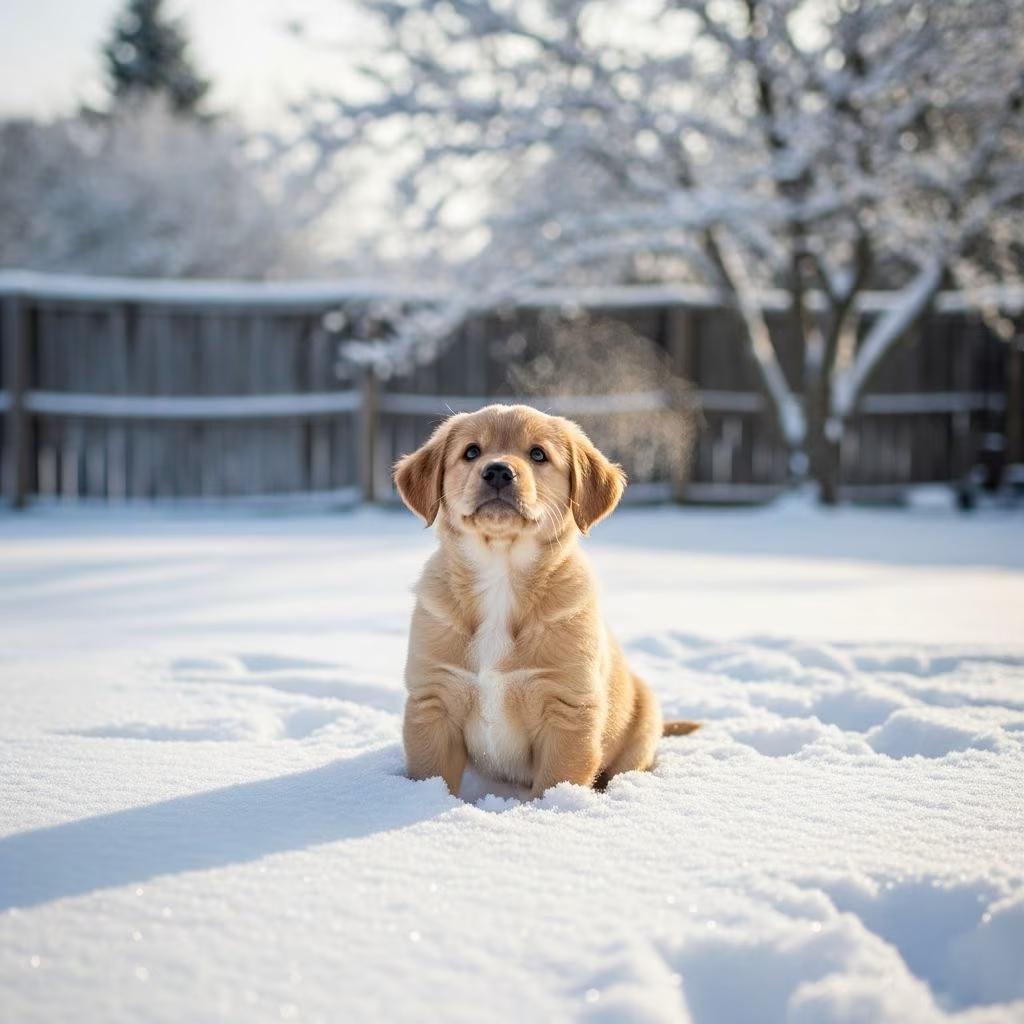
House training a puppy during winter presents unique obstacles like freezing temperatures, snow accumulation, icy paths, and relentless rain, which can discourage both the pet and owner from maintaining consistency. Success hinges on adapting standard methods with protective measures, strategic scheduling, and motivational tools to build reliable habits despite harsh conditions.
Understanding Winter’s Impact on Puppy Bladder Control
Cold weather influences a puppy’s willingness to eliminate outdoors more than in milder seasons. Young dogs, particularly small breeds or those unaccustomed to chill, often resist due to discomfort from wet paws, frozen ground, or wind chill. Apartment dwellers face added difficulty without private yards, leading to indoor accidents if routines falter.
Puppies under six months have limited bladder capacity, needing breaks every 1-2 hours, amplified by winter’s shorter days and reduced outdoor time. Freezing slows digestion slightly, but urgency remains; ignoring signals risks setbacks in training progress. Recognizing these factors allows proactive adjustments for smoother housebreaking.
Building a Rock-Solid Daily Potty Schedule
Consistency forms the foundation of effective winter potty training. Establish fixed times for elimination attempts: immediately upon waking, post-meals (within 15-30 minutes), after naps, play sessions, and before bedtime. Aim for 8-12 outings daily for pups under 12 weeks, tapering as they age.
- Morning ritual: First trip at dawn, even in darkness, to set positive tone.
- Meal-linked outings: Feed on schedule; potty 20 minutes later reinforces association.
- Evening wind-down: Final short session limits overnight needs.
Track successes in a log to identify patterns, adjusting for colder nights when pups hold longer. Shorten outdoor stays to 5 minutes max in sub-freezing temps, praising immediately upon completion to link relief with reward.
Equipping Your Puppy for Cold-Weather Success
Protective apparel transforms reluctant outings into tolerable routines. Select breathable, fitted items suited to breed and size.
| Gear Type | Benefits | Best For |
|---|---|---|
| Sweaters/Fleece Layers | Retains body heat, lightweight | Short-haired breeds |
| Waterproof Coats | Blocks rain/snow, wind-resistant | All weather exposure |
| Paw Booties | Prevents ice/salt damage, traction | Pups with sensitive pads |
| Leash Holders/Waste Bags | Quick access for impromptu trips | Owners in apartments |
Introduce gear gradually during fair weather to avoid added stress. For humans, keep outerwear by the door for swift departures—rushing back indoors mid-elimination undermines training. Booties like rubberized Pawz models shield from de-icing chemicals below 20°F, where paw frostbite risks rise.
Clearing the Path: Outdoor Setup Strategies
Designate a snow-free potty zone near the door, 4×4 feet minimum, using a shovel or leaf blower for daily maintenance. Familiar scent markers prompt quicker elimination; verbal cues like “go potty” paired with this spot build muscle memory.
In heavy snow, create a trench or elevated platform. For urban settings, scout sheltered corners in parks during breaks in storms. Accompany your puppy actively—don’t just open the door—guiding to the area while repeating commands enthusiastically.
Indoor Alternatives for Extreme Conditions
When blizzards or -20°F winds rage, indoor solutions prevent regressions without derailing long-term outdoor goals.
- Disposable Pee Pads: Absorbent, low-odor; place near exit door.
- Artificial Turf Mats: Mimic grass texture for easy transition.
- Litter Boxes: Ideal for tiny breeds; use puppy-specific pellets.
Gradual weaning works best: shift pads daily toward outdoors over weeks, rewarding door signals. Reserve indoors for necessities, prioritizing outside during thaws to maintain preferences.
Motivating Through Positive Reinforcement
High-value treats (cheese bits, hot dog slices) delivered within seconds of completion trump discomfort. Pair with exuberant praise or clickers for precision. Environmental perks like brief play post-potty build excitement around outings.
For resistant pups, start associations in tolerable weather: cue elimination, then reward lavishly. Progress to bad days with doubled incentives. Patience prevents force, which fosters aversions.
Addressing Common Winter Training Hurdles
Paw Discomfort and Refusal
Salt, ice melt, and frozen urine balls irritate pads. Rinse paws post-outing with lukewarm water, applying balm like Musher’s Secret. Booties train tolerance via short indoor wears first.
Indoor Accidents Spike
Revert to crating unsupervised pups, increasing outings. Clean mishaps enzymatically to erase scents. Monitor for urinary issues mimicking training woes—vet check if frequent.
Breed-Specific Challenges
Small/toy breeds chill faster; northern breeds like Huskies thrive in cold. Tailor expectations and gear accordingly.
Safety First: Health Monitoring in Winter
Watch for hypothermia signs: shivering beyond 10 minutes, lethargy, pale gums. Limit exposure under 15°F without shelter. Hydration stays key despite cold; fresh water prevents constipation aiding regularity.
Annual vet checks confirm no underlying conditions like infections complicating control. Puppies graduate full control around 6 months, winter starters often stronger for perseverance built.
Advanced Techniques for Stubborn Cases
Belly bands for males contain accidents during transition. Scheduled warm broth pre-outing stimulates urgency. Group walks with tolerant dogs model behavior via social cues.
Tech aids like heated pads near doors entice during deep freezes, phasing out post-winter.
Seasonal Transition and Maintenance
As spring nears, extend outdoor times, fading indoor aids entirely. Reinforce summer routines to prevent backsliding. Documented winter success boosts owner confidence for future litters or fosters.
Frequently Asked Questions
How often should I take a 10-week-old puppy out in winter?
Every 1-2 hours awake, plus meal/nap triggers—up to 12 times daily.
Can I use pee pads permanently?
No; they risk incomplete training. Use temporarily, transitioning outdoors promptly.
What if my dog hates booties?
Practice short sessions with treats; opt for flexible rubber over rigid styles.
Is crate training cruel in cold?
Not if sized properly with bedding; it mirrors denning instinct safely.
How to handle multi-dog households?
Potty individually first, matching paces as confidence grows.
References
- Tips for House-Training a Puppy in the Winter — Chewy. 2023. https://www.chewy.com/education/dog/new-dog/house-training-puppy-winter
- Training Dogs to Potty in Rain, Snow, or Other Bad Weather — American Kennel Club (AKC). 2024-01-15. https://www.akc.org/expert-advice/training/potty-in-bad-weather/
- How to Potty Train a Puppy in Winter: Tips That Work — Poo Bros. 2024. https://poobros.com/how-to-potty-train-a-puppy-in-winter-port-st-lucie/
- Best Tips To Make Dog Training in Cold Weather Better — Mischief Managed RI. 2023-12-10. https://mischiefmanagedri.com/blog/winter-dog-training/
- Cold Weather House Training — Pet Professional Guild. 2023. https://www.petprofessionalguild.com/barks/barks-magazine-blog/cold-weather-house-training/



