

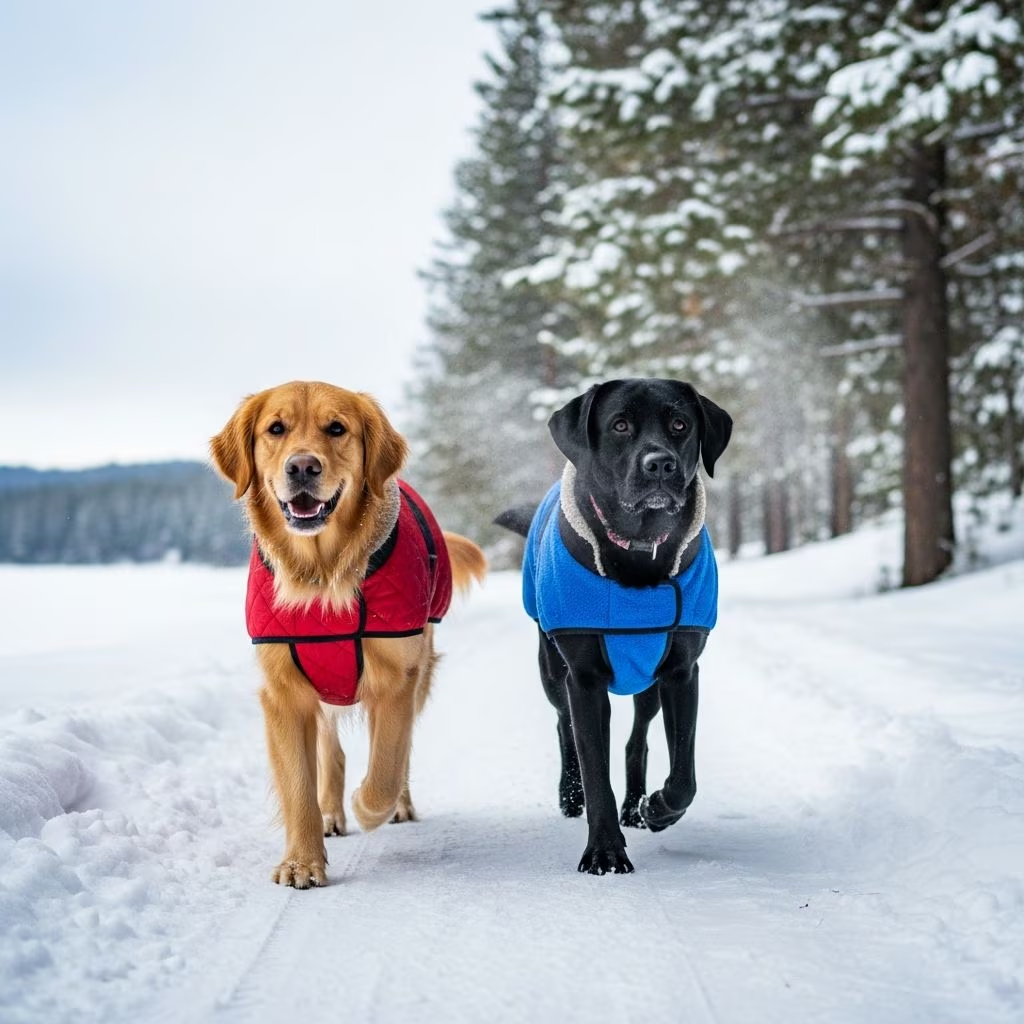
Winter Pet Safety: A Complete Guide to Keeping Your Dogs Safe in Cold Weather
As temperatures drop and winter weather sets in, pet owners face unique challenges in keeping their canine companions safe, warm, and healthy. Cold weather poses serious risks to dogs, including hypothermia, frostbite, and other cold-related injuries. Understanding these dangers and taking proactive steps to protect your pets is essential for their well-being throughout the winter season. This comprehensive guide covers everything you need to know about winter pet safety, from temperature thresholds to emergency preparedness.
Understanding Temperature Thresholds for Dogs
Not all dogs react to cold weather in the same way. A dog’s tolerance for cold depends on several factors, including breed, size, coat type, age, and overall health. Knowing the temperature limits for your specific dog can help you make informed decisions about outdoor time and necessary precautions.
Above 45°F (7°C): Most healthy dogs can enjoy outdoor activities without significant concern, though short-haired breeds may benefit from protective clothing.
32°F to 45°F (0°C to 7°C): Puppies, senior dogs, and short-haired breeds should have limited outdoor exposure. Watch for signs of discomfort and provide protective gear when necessary.
Below 32°F (0°C): Extended outdoor time poses increased risks. Keep outdoor sessions brief and monitor your dog closely for signs of cold stress.
Below 20°F (-6°C): All dogs face significant danger at these temperatures. Outdoor time should be restricted to quick bathroom breaks only, and extra precautions are absolutely necessary.
Keep Pets Indoors When Possible
The most effective way to protect your dog from winter weather is to keep them inside during extreme cold. Indoor dogs are happiest and safest when they spend most of their time in a warm, comfortable home environment. Bring your dog inside during low temperatures, even if they’re accustomed to outdoor time during other seasons.
For pets that must spend time outdoors, ensure they have access to appropriate shelter:
– Provide a warm, draft-free shelter that’s large enough for comfortable movement but small enough to retain body heat- Use hay or straw for insulation, never use blankets that can absorb moisture- Position shelters away from prevailing winds- Cover shelter entrances with heavy plastic or waterproof burlap to block wind and precipitation- Raise the floor a few inches off the ground to prevent moisture and cold transfer
Limiting Outdoor Time for Vulnerable Pets
Certain dogs are more susceptible to cold-related injuries and require extra protection during winter months. Puppies lack fully developed temperature regulation, senior dogs have compromised circulation, and short-haired breeds like Greyhounds, Pitbulls, and Dachshunds have minimal natural insulation.
For these vulnerable populations:
– Limit outdoor time during cold weather, especially in temperatures below 32°F- Monitor energy levels closely; dogs tire faster in cold conditions- Keep outdoor sessions brief, particularly for young or elderly animals- Consider using protective clothing like cozy pet coats or sweaters- Watch for signs of cold stress including shivering, reluctance to move, and whining
Snow Play Safety Guidelines
Many dogs enjoy playing in the snow, but winter recreation requires careful supervision to prevent injury and exhaustion. Cold weather drains energy faster than temperate conditions, so shorter play sessions are safer for all dogs.
When allowing snow play:
– Supervise outdoor activities and monitor your dog’s energy levels- Keep play sessions short to prevent overexertion and exhaustion- Check between toes frequently for ice balls that can cause discomfort and frostbite risk- Never allow dogs to run on frozen ponds or lakes; ice may not support their weight- Bring your dog inside immediately if they show signs of fatigue or cold stress- Provide warm water and a heated space for recovery after outdoor play
Protecting Your Dog’s Paws in Winter
Dog paws are particularly vulnerable during winter months due to snow, ice, salt, and chemical de-icers. Rock salt and other snow-melting chemicals can irritate delicate paw pads, cause chemical burns, and lead to salt poisoning if ingested when dogs lick their paws clean.
Paw Protection Strategies:
– Use pet-safe snow melts around your home and yard- Consider protective booties for dogs that will tolerate them comfortably- Wipe paws thoroughly with a damp towel after every outdoor excursion- Apply pet-safe paw wax or balm before walks for additional protection- Store de-icing salt safely away from pets- If your dog ingests rock salt, contact your veterinarian immediately
Cold Weather Gear and Protection
Proper winter clothing can make a significant difference in your dog’s comfort and safety during cold weather activities. Different breeds and individual dogs have varying needs for protective gear.
When to Use Dog Coats and Sweaters:
– Short-haired breeds should wear protective clothing when temperatures drop below 45°F- Puppies and senior dogs benefit from clothing at temperatures above 45°F- Small breeds typically need protection at higher temperatures than large breeds- Dogs with health conditions may need clothing at higher temperatures- Long-haired, thick-coated breeds like Huskies may not need clothing except in extreme cold
Choose clothing that fits snugly without restricting movement, covers the back and belly, and is made from waterproof, insulating materials. Ensure booties fit properly so your dog can walk normally.
Signs Your Dog Is Too Cold
Learning to recognize cold stress indicators helps you respond quickly before your dog develops hypothermia or frostbite. Bring your dog inside immediately if you notice any of these warning signs:
– Excessive shivering or trembling- Reluctance to move or play- Lifting paws off the ground frequently- Seeking warm shelters or trying to go inside- Whining or vocalizing distress- Slowed movements or lethargy- Confusion or disorientation- Pale gums or lips
If your dog shows these symptoms, bring them inside immediately, warm them gradually with blankets and warm (not hot) water, and contact your veterinarian if symptoms persist.
Home Comfort and Heating Safety
Creating a warm, comfortable indoor environment is essential for winter pet safety. However, heating sources can pose hazards if not managed properly.
Safe Heating Practices:
– Provide insulated sleeping areas free from drafts- Use appropriate heating pads designed for pets- Ensure fireplaces have protective screens to prevent burns- Keep portable heaters, space heaters, and heating pads out of reach- Maintain moderate humidity levels to prevent dry skin- Keep your home at a comfortable temperature for pets- Avoid placing heating sources near pet bedding where they can overheat
Emergency Preparedness for Winter Storms
Winter storms can bring sudden power outages, travel disruptions, and emergency situations. Preparing in advance ensures you can keep your pets safe and comfortable during unexpected events.
Emergency Supply Checklist:
– Maintain a 5-day supply of regular pet food- Stock plenty of fresh water (or know how to provide it if water sources freeze)- Store all necessary medications with clear instructions- Keep updated identification on your pets at all times- Have recent photos of your pets for identification if they get lost- Maintain a pet first aid kit- Keep veterinary records and microchip information accessible- Have a plan for temporary shelter if you must evacuate- Consider a generator or backup power source for critical pet needs
Winter Health Considerations
Cold weather can exacerbate certain health conditions and create new wellness challenges. Regular veterinary care becomes even more important during winter months.
Winter health concerns include:
– Dry skin and flaky coats due to low humidity and heating- Paw pad cracking from salt and ice exposure- Arthritis and joint pain worsening in cold temperatures- Increased caloric needs for outdoor dogs- Respiratory issues in extreme cold- Reduced mobility in senior dogs
Maintain regular grooming, provide moisturizing treatments for dry skin, ensure adequate nutrition, and schedule veterinary check-ups if your dog has pre-existing health conditions.
Understanding Your Dog’s Individual Limits
Every dog has unique tolerances for cold weather based on their individual characteristics. What’s safe for one dog might be dangerous for another, even within the same breed.
Factors affecting cold tolerance include:
– Breed and coat type- Size and body composition- Age and health status- Acclimatization to cold- Prior cold-weather experience- Individual metabolism
If you’re uncertain about your dog’s cold tolerance, consult your veterinarian for personalized advice. They can assess your dog’s specific health status and recommend appropriate precautions for winter activities.
Safe Winter Walking Practices
Walking your dog during winter requires extra caution for both you and your pet. Icy surfaces present slipping hazards, and extreme cold increases injury risk.
Winter Walking Safety Tips:
– Check weather conditions and windchill before heading out- Keep walks shorter in extreme cold- Avoid icy surfaces when possible- Wear appropriate footwear to prevent slipping- Keep your dog on a secure leash in winter conditions- Watch for ice patches and slippery areas- Avoid overexertion for both you and your pet- Take breaks if you or your dog shows signs of fatigue or cold stress- Keep your phone accessible in case of emergency
Frequently Asked Questions
Q: At what temperature should I stop taking my dog outside?
Most healthy dogs can go outside in temperatures down to 32°F with appropriate gear and supervision. At 20°F and below, outdoor time should be limited to quick bathroom breaks only. However, puppies, senior dogs, and short-haired breeds need protection at higher temperatures.
Q: Can I leave my dog outside in winter?
Dogs should not be left outside in winter conditions for extended periods. Bring them inside during extreme cold, especially at night. If your dog must spend time outdoors, provide a warm, insulated shelter with protection from wind and moisture.
Q: Do all dogs need winter coats?
No, not all dogs need winter coats. Short-haired, small, young, and elderly dogs typically benefit most from protective clothing. Thick-coated breeds like Huskies usually don’t need coats except in extreme conditions. Ask your veterinarian about your specific dog’s needs.
Q: How can I protect my dog’s paws in winter?
Wipe paws with a damp towel after outdoor time, use pet-safe de-icers, apply protective paw wax, consider booties, and check between toes regularly for ice buildup. Store de-icing salt safely away from pets.
Q: What should I do if my dog shows signs of hypothermia?
Bring your dog inside immediately, wrap them in warm blankets, and contact your veterinarian. Warm them gradually—avoid sudden temperature changes. Provide warm (not hot) water and monitor them closely.
Q: How often should I walk my dog in winter?
Dogs still need regular exercise in winter, but sessions should be shorter and less intense than in warmer months. Multiple short walks are often better than one long walk in extreme cold. Always supervise outdoor time closely.
References
- Winter Pet Safety Tips: Keeping Pets Warm and Protected — California SPCA. 2025. https://www.caspca.org/winter-pet-safety-tips-keeping-pets-warm-and-protected
- How Cold is Too Cold for Dogs? A Comprehensive Guide to Winter Pet Safety — PetsCare.com. 2025. https://www.petscare.com/news/post/do-dogs-get-cold-guide
- How to Keep Pets Warm in Cold Winter Weather — The Humane Society of the United States. 2025. https://www.humaneworld.org/en/resources/how-keep-pets-warm-cold-winter-weather
- Ultimate Guide to Cold Safety for Dogs — Dr. Treat. 2025. https://www.drtreat.co/post/ultimate-guide-to-cold-safety-for-dogs
- Winter Pet Care Guide: Essential Tips for Keeping Dogs and Cats Safe — Independence Veterinary Clinic. 2025. https://independenceveterinaryclinic.com/winter-pet-care-guide-essential-tips/
- Winter Pet Safety Guide: How to Keep Dogs and Cats Warm, Healthy and Safe — PetBacker. 2025. https://www.petbacker.com/blog/how-to/winter-pet-safety-guide-how-to-keep-dogs-and-cats-warm-healthy-and-safe
- Winter Pet Safety Guide — Edmonton Humane Society. 2024-05. https://www.edmontonhumanesociety.com/wp-content/uploads/2024/05/EHS-Winter-Pet-Safety-Guide.pdf



