

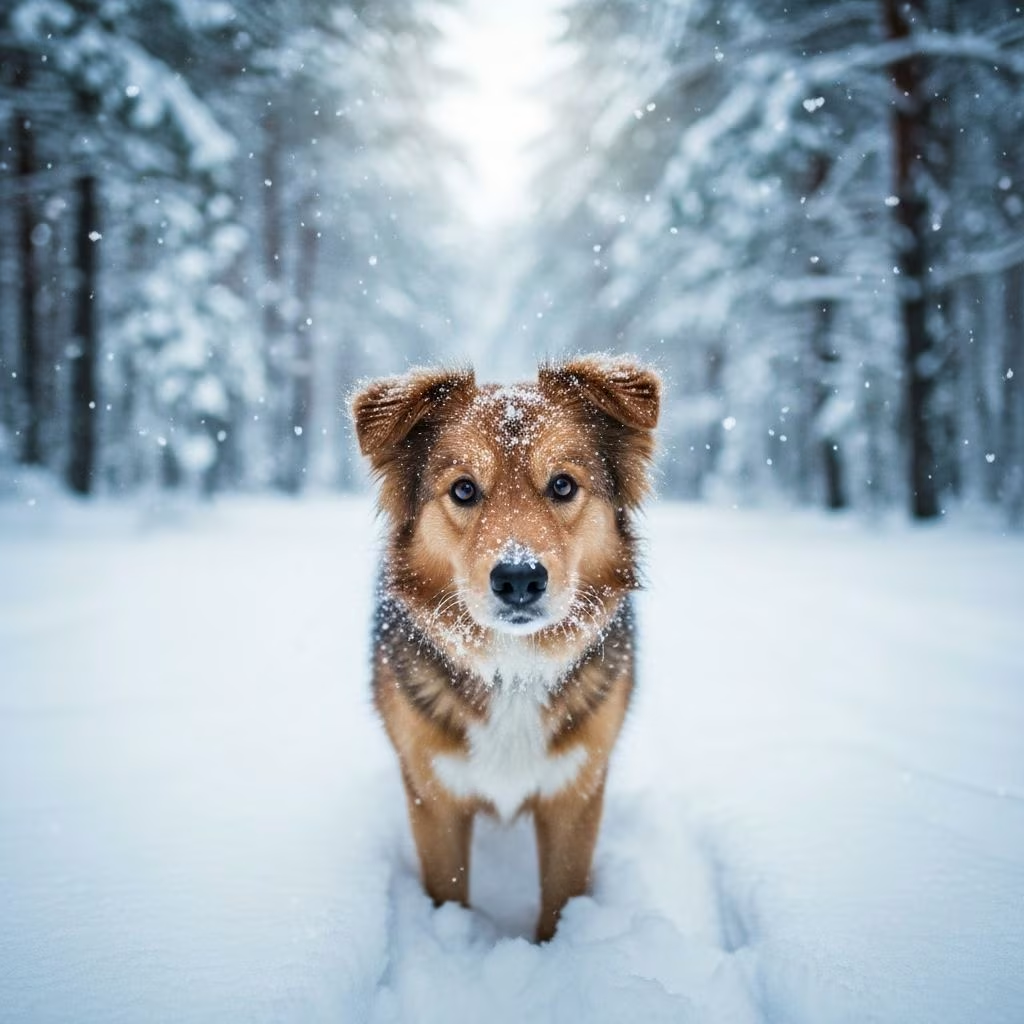
Dogs vary widely in their ability to tolerate cold weather based on breed, size, age, and health. Generally, limit outdoor time to 10-15 minutes below 20°F ( -7°C) for most pets, shortening further for small or thin-coated breeds to prevent hypothermia and frostbite.
Understanding Temperature Thresholds
Cold tolerance decreases as temperatures drop, especially with wind or moisture. Below 32°F (0°C), puppies, seniors, and small dogs face higher risks, needing supervision for potty breaks only. At 20°F (-7°C), medium dogs endure 30 minutes max, while large northern breeds like Huskies manage longer. Under 0°F (-18°C), no dog should remain outside beyond minutes, regardless of coat thickness.
- 32°F to 45°F (0°C to 7°C): Safe for short walks (20-30 min) for healthy adults; monitor small breeds closely.
- 20°F to 32°F (-7°C to 0°C): Limit to 10-20 min; use coats for short-haired dogs.
- Below 20°F (-7°C): 5-10 min max; high frostbite risk on ears and paws.
- Below 0°F (-18°C): Potty breaks only (under 5 min); life-threatening for most.
Wind chill amplifies dangers—add 1-2°F effective drop per mph of wind. Wet fur from snow reduces insulation, halving safe times.
Breed and Size Variations in Cold Endurance
Northern breeds like Siberian Huskies, Alaskan Malamutes, and Newfoundlands have double coats for insulation, tolerating sub-zero temps for hours if acclimated. Chihuahuas, Greyhounds, and Dachshunds with thin fur or low body fat chill quickly, needing indoor living year-round.
| Breed Type | Coat Thickness | Safe Time at 10°F (-12°C) | Notes |
|---|---|---|---|
| Northern Breeds (e.g., Husky) | Thick double | 1-2 hours | Acclimated outdoor dogs only |
| Large Breeds (e.g., Labs) | Medium | 30-45 min | Coat helps but monitor paws |
| Small Breeds (e.g., Chihuahua) | Thin/short | 5-10 min | Coats and booties essential |
| Senior/Puppy (Any) | Varies | Under 10 min | Health conditions worsen risks |
Body size matters: smaller dogs lose heat faster due to higher surface-to-volume ratio. Health issues like arthritis or heart disease demand stricter limits.
Protective Clothing and Gear Essentials
Dress thin-coated dogs in waterproof coats covering neck to tail base, with belly coverage. Sweaters alone wick moisture, worsening chill—opt for insulated jackets. Booties shield paws from ice melt and abrasives; ensure proper fit to avoid slips.
- Choose waterproof, windproof coats with leash holes and adjustable straps.
- Use paw balms (e.g., petroleum jelly alternatives) pre-walk to block salts.
- Booties for traction and thermal protection; practice indoors first.
- Reflective vests for low-light walks enhance visibility.
Rotate wet gear to keep dogs dry. Never shave down coats—natural fur insulates best.
Paw Care in Harsh Winter Conditions
Road salts (sodium/calcium chloride) irritate pads, causing cracks and burns. Ice balls form between toes, leading to frostbite. Clean paws immediately post-walk with warm water, drying thoroughly.
- Apply vet-approved balm before outings.
- Trim toe hair to prevent ice buildup.
- Wipe with pet-safe wipes or rinse buckets at doorways.
- Moisturize dry pads nightly; avoid human lotions.
Antifreeze puddles are toxic—train dogs to avoid spills. Use pet-safe ice melts at home.
Hypothermia and Frostbite Warning Signs
Early hypothermia shows as shivering, lethargy, or hunched posture. Advanced stages include weakness, slow breathing, or collapse—warm gradually indoors, never hot water. Frostbite hits ears, tail, paws: pale/blue skin, swelling, pain. Seek vet care promptly.
- Mild signs: Shivering, lifted paws, whining.
- Severe signs: Non-responsive, gum paleness, rapid heartbeat.
- First aid: Warm blankets, heating pads on low (supervised), warm fluids.
Prevention trumps treatment—err on shorter outings.
Indoor Alternatives and Enrichment
Skip long walks on extreme days; use potty pads for small dogs. Indoor games maintain fitness: hide treats, puzzle toys, or treadmill sessions. Increase calories by 20-50% for outdoor dogs to fuel thermoregulation—consult vets for obese pets.
Wipe snow from underbellies post-play to avoid chills. Humidify homes to combat dry skin.
Emergency Preparedness for Storms
Power outages demand plans: battery heaters, extra food/water for 5+ days, leashed walks. Avoid cars—temps plummet inside. ID tags/microchips prevent losses in snow.
Near water, leash tightly—thin ice risks drowning. Reflective gear and flashlights boost night safety.
FAQs
Can all dogs handle snow equally?
No—northern breeds excel; tropical breeds suffer even at 40°F (4°C). Assess individually.
How often check paws in cold?
After every outing; redness or limping signals issues.
Is antifreeze safe around dogs?
No—sweet taste lures them; it’s lethal in small amounts. Clean spills immediately.
Should outdoor dogs get coats?
Yes, even thick-coated ones benefit in wind/rain for extra layers.
What if my dog shivers outside?
Bring inside immediately; don’t force acclimation.
Daily Winter Walk Checklist
| Before | During | After |
|---|---|---|
| Balm on paws Coat/booties on Leash/ID ready | Shorten route Watch for ice/salt Monitor behavior | Wipe/clean paws Dry thoroughly Warm bed/rest |
References
- How to Keep Your Dog Warm and Safe This Winter — American Kennel Club. 2023-12-01. https://www.akc.org/expert-advice/health/keep-dog-warm-winter-safety-tips/
- When Is It Too Cold for My Dog? A Winter Dog Safety Guide — Embark Veterinary. 2024-11-15. https://embarkvet.com/resources/dog-cold-tolerance-by-breed/
- 10 Ways to Keep Your Pets Safe When It’s Bitter Cold Outside — American Red Cross. 2024-01-10. https://www.redcross.org/about-us/news-and-events/news/Winter-Safety-Tips-for-Your-Pets.html
- Dog Winter Safety Tips — VCA Animal Hospitals. 2023-10-20. https://vcahospitals.com/resources/lifestyle-dog/hazards-safety/winter-safety-tips
- Cold Weather Safety Tips — ASPCA. 2024-02-05. https://www.aspca.org/pet-care/general-pet-care/cold-weather-safety-tips
- Cold weather animal safety — American Veterinary Medical Association. 2023-11-28. https://www.avma.org/resources-tools/pet-owners/petcare/cold-weather-animal-safety



