
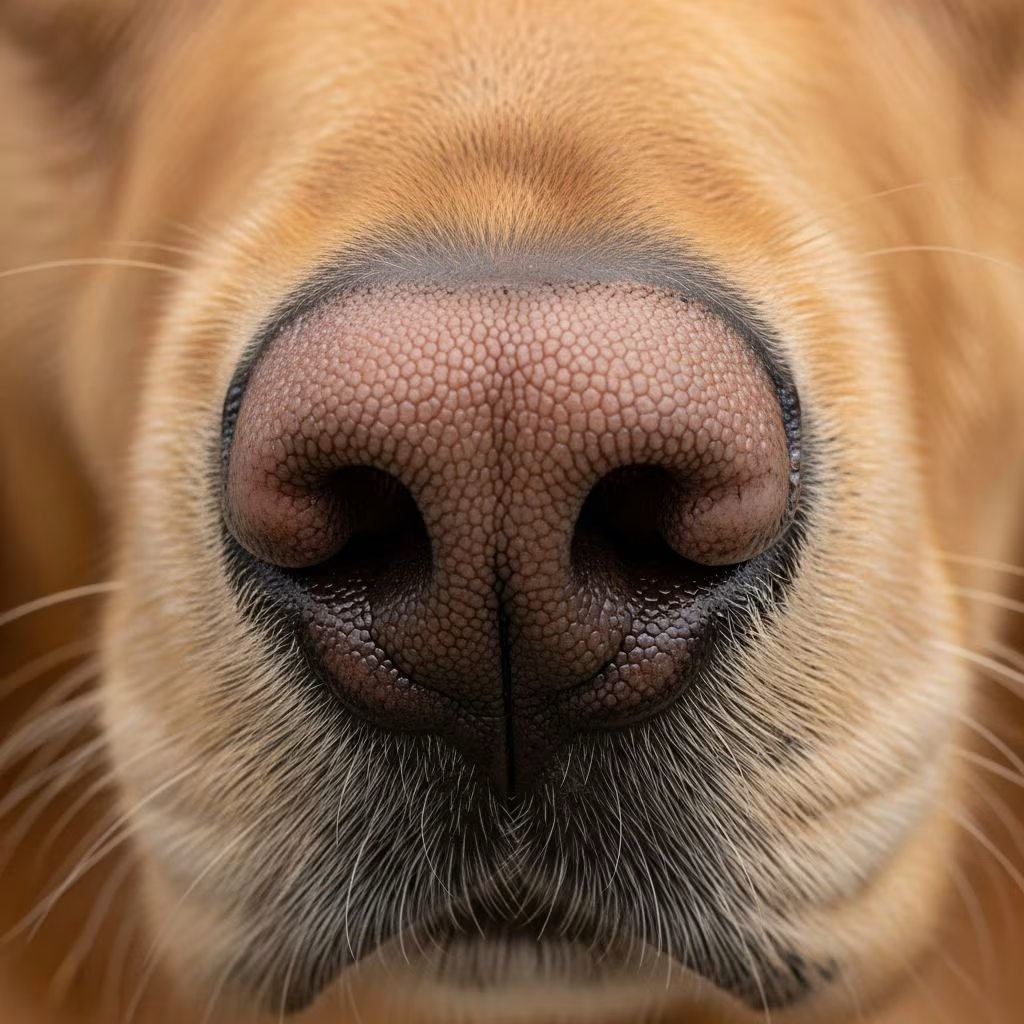
Pet owners sometimes notice their dog’s nose changing color during colder months, transitioning from its typical dark brown or black appearance to a lighter pink or tan shade. This phenomenon, medically termed seasonal nasal hypopigmentation, occurs frequently enough to have earned the colloquial name “snow nose” or “winter nose.” While the color transformation can alarm dog parents unfamiliar with the condition, veterinary professionals consistently reassure owners that this is a benign, temporary change requiring no intervention.<\/p>
Defining the Condition: What Happens to Your Dog’s Nose<\/h2>
Seasonal nasal hypopigmentation represents a temporary loss of pigmentation in a dog’s nasal tissue, resulting in visible color changes during winter months. The intensity of this depigmentation varies considerably among affected dogs. Some experience a subtle lightening across the entire nose surface, while others develop a distinctive pink stripe running down the center. In certain cases, only patches of the nose lose their pigmentation, creating an irregular mottled appearance.<\/p>
The condition manifests as a purely cosmetic issue with no associated pain, discomfort, or physical harm to the nasal tissue itself. Dogs experiencing snow nose show no behavioral changes, difficulty breathing, or signs of distress. The nose remains structurally sound and functionally normal throughout the seasonal color transition.<\/p>
One of the most reassuring characteristics of this condition is its temporary nature. As winter transitions into spring and daylight hours increase, the nose typically regains its original pigmentation. However, dogs that develop snow nose once frequently experience the same pattern annually, returning to lighter coloring each winter season.<\/p>
The Mechanism Behind Pigment Loss<\/h2>
The exact physiological mechanism causing seasonal nasal hypopigmentation remains incompletely understood by veterinary researchers. However, scientific investigation has identified several contributing factors working together to produce the color change.<\/p>
The enzyme tyrosinase plays a central role in this process. Tyrosinase functions as the biological catalyst responsible for melanin production—the pigment that gives color to skin, hair, and nasal tissue. Research suggests that tyrosinase exhibits temperature sensitivity, becoming less active during colder months. This reduced enzymatic activity results in decreased melanin synthesis within nasal cells, leading to the observable lightening of nose color.<\/p>
Environmental factors beyond temperature contribute to this seasonal pattern. Reduced daylight exposure during winter months may influence hormonal and enzymatic processes regulating pigmentation. Additionally, some researchers propose that ultraviolet light exposure, rather than directly causing pigment loss, may normally stimulate melanin production during brighter months, with reduced UV exposure during winter allowing natural depigmentation.<\/p>
Genetic predisposition significantly influences susceptibility to snow nose. Certain dog breeds demonstrate markedly higher incidence rates, suggesting inherited factors determining nasal pigmentation stability across seasons. The condition appears linked to the same genetic mechanisms responsible for lighter nose pigmentation in some breeds.<\/p>
Breed Predisposition and Genetic Factors<\/h2>
While snow nose can occur in any dog breed, specific breeds show substantially higher prevalence rates. Golden Retrievers, Labrador Retrievers, Siberian Huskies, Bernese Mountain Dogs, and American Eskimo Dogs frequently experience seasonal nasal hypopigmentation. Cocker Spaniels and Malamutes also demonstrate increased susceptibility to this condition.<\/p>
This breed-specific pattern indicates strong genetic underpinnings. Dogs genetically programmed to have lighter or variable nasal pigmentation patterns show greater likelihood of developing snow nose. The liver gene, responsible for brown coloration in some dogs, appears correlated with snow nose susceptibility. Similarly, genetic factors controlling piebald patterns and white spotting may predispose certain individuals to seasonal pigmentation changes.<\/p>
Family history serves as a useful predictor—puppies born to parents with snow nose histories show increased likelihood of developing the condition themselves. This hereditary component explains why some dog owners observe snow nose consistently across multiple pets from the same breeding line.<\/p>
Natural Pigmentation Changes Across a Dog’s Lifespan<\/h2>
Understanding snow nose requires recognizing that pigmentation changes represent normal biological processes throughout a dog’s life. Tyrosinase naturally breaks down with advancing age, leading many senior dogs to develop lighter nose coloration independent of seasonal influences. Aging dogs often display gradual lightening of their noses to light brown or pink tones, representing a permanent rather than seasonal change.<\/p>
This age-related depigmentation also affects other body areas. Older dogs frequently show pigmentation changes in their tongues, gums, and abdominal skin. These aging-associated changes occur entirely separately from snow nose but demonstrate that pigmentation variability is normal throughout canine development and aging.<\/p>
Some dogs are born with naturally pink or light-colored noses due to genetic factors completely unrelated to snow nose. These dogs may have inherited genes directly determining persistent light nasal pigmentation rather than seasonal changes. Distinguishing between congenital light noses and acquired seasonal depigmentation requires understanding your individual dog’s baseline nose color.<\/p>
Diagnostic Approach: How Veterinarians Confirm Snow Nose<\/h2>
Veterinarians diagnose snow nose through a “diagnosis of exclusion” methodology. No specific diagnostic test definitively confirms seasonal nasal hypopigmentation. Instead, veterinarians systematically rule out alternative conditions producing similar nose color changes.<\/p>
The diagnostic evaluation begins with a thorough clinical history and physical examination. Your veterinarian will assess timing of the pigmentation change, seasonal patterns, presence of any nasal discharge or crusting, and whether the dog shows any associated symptoms. A dog with pure snow nose demonstrates color changes exclusively—no secondary signs like ulceration, sores, bleeding, crusting, texture abnormalities, or discomfort.<\/p>
If the presentation raises concerns about underlying disease, veterinarians may recommend additional diagnostic testing. Tissue biopsies allow microscopic examination of nasal cells to identify pathological changes inconsistent with benign snow nose. Bacterial or fungal cultures detect infectious agents that might produce similar color changes. Specialized staining techniques can reveal specific disease processes affecting nasal pigmentation.<\/p>
However, when a dog presents with isolated color lightening during winter months, no associated symptoms, and a breed predisposition, veterinarians typically diagnose snow nose with confidence based on clinical presentation alone.<\/p>
Conditions Mimicking Snow Nose: When Color Changes Signal Concern<\/h2>
Several more serious medical conditions produce nasal pigmentation loss resembling snow nose but requiring veterinary treatment. Recognizing these distinctions proves essential for appropriate care:<\/p>
- Discoid Lupus Erythematosus (DLE):<\/strong> This autoimmune condition causes pigment loss alongside nasal ulcerations, loss of the normal cobblestone surface texture, and skin changes around the eyes, ears, and lips. Dogs with DLE require immunosuppressive medication to manage the condition.<\/li>
- Pemphigus Foliaceous:<\/strong> This autoimmune blistering disease produces facial blisters, ulcerations, hair loss, and systemic symptoms including fever and lethargy—none of which occur with simple snow nose.<\/li>
- Cutaneous Lymphoma:<\/strong> Certain cancers affecting skin produce pigmentation changes accompanied by hair loss, ulcerations, bumps, and redness around the nose and facial area.<\/li>
- Nasal Hyperkeratosis:<\/strong> This condition creates dry, crusty, bumpy noses with fissures, distinguishing it from the smooth surface of snow nose.<\/li>
- Bacterial Infections:<\/strong> Mucocutaneous pyoderma causes red, swollen, crusty nose and lip tissue—symptoms absent in uncomplicated snow nose.<\/li>
- Fungal Infections:<\/strong> Ringworm produces red, hairless, scaly, or itchy patches on facial muzzle areas, representing signs beyond simple pigmentation loss.<\/li>
- Uveodermatologic Syndrome:<\/strong> This systemic condition causes pigmentation loss around mouth, nose, and eyes along with painful, inflamed ocular tissue.<\/li>
- Pemphigus Foliaceous:<\/strong> This autoimmune blistering disease produces facial blisters, ulcerations, hair loss, and systemic symptoms including fever and lethargy—none of which occur with simple snow nose.<\/li>
The key distinguishing feature is that true snow nose involves only color changes without secondary symptoms. Any nasal discharge, crusting, ulceration, sores, texture changes, or discomfort warrants veterinary evaluation to exclude these alternative diagnoses.<\/p>
Treatment and Management Strategies<\/h2>
No medical treatment exists for snow nose because the condition requires no intervention from a therapeutic standpoint. The nose suffers no structural damage, the dog experiences no discomfort, and the process causes no health consequences. Attempting to restore pigmentation through topical treatments, dietary supplements, or other interventions produces no documented benefit.<\/p>
Some dog owners have experimented with vitamin E supplementation, theorizing that antioxidant protection might slow depigmentation processes. Others have tried kelp supplementation based on its iodine content’s theoretical role in thyroid hormone production involved in pigmentation. However, no scientific evidence supports either approach as effective interventions.<\/p>
Pet owners can take one practical protective measure: applying dog-safe sunscreen to the pink nasal area. Since pigmented tissue normally provides UV protection, the depigmented pink nose becomes more vulnerable to sun damage during winter when dogs spend time outdoors in snow-covered environments with increased reflected UV exposure. Regular sunscreen application protects the sensitive exposed tissue during seasonal color changes.<\/p>
No prevention strategies exist for snow nose given the incompletely understood mechanisms involved. Keeping dogs warm during winter provides comfort but offers no protective effect against seasonal depigmentation. Limiting outdoor exposure doesn’t prevent the condition. The seasonal color change occurs regardless of lifestyle modifications or environmental manipulations.<\/p>
What to Expect as Seasons Change<\/h2>
Dogs experiencing snow nose typically notice the pigmentation change progressing gradually through fall and winter months as daylight decreases and temperatures drop. The peak depigmentation usually occurs during the darkest, coldest months of winter.<\/p>
As spring approaches and daylight increases, most affected dogs begin regaining nasal pigmentation. The process reverses gradually, with the nose progressively returning to its original dark color throughout spring and into early summer. By the time summer arrives, most dogs show complete restoration of normal nasal pigmentation.<\/p>
However, this pattern doesn’t prove universal. Some dogs retain lighter nose coloration year-round after the initial seasonal change, suggesting a permanent rather than reversible alteration. Other dogs show only partial pigmentation restoration, maintaining a slightly lighter appearance even during warm months.<\/p>
Dogs that develop snow nose once frequently exhibit the same pattern recurring annually. Each winter, the nose predictably lightens to similar degrees, and each spring shows comparable restoration. This cyclical pattern can continue throughout a dog’s life without causing any health consequences.<\/p>
Frequently Asked Questions About Canine Nasal Depigmentation<\/h2>Is snow nose painful for my dog?<\/h3>
No. Snow nose causes no pain, discomfort, or physical harm. The color change affects only appearance, not the structure or function of nasal tissue.<\/p>
Will snow nose affect my dog’s sense of smell?<\/h3>
Snow nose produces no impact on olfactory function. A dog’s sense of smell depends on the internal structure of the nasal passages and olfactory receptors, not on external pigmentation.<\/p>
Can I permanently prevent or treat snow nose?<\/h3>
No proven prevention or treatment exists. The condition resolves naturally with seasonal changes and requires no intervention.<\/p>
Should I be concerned if my dog’s snow nose doesn’t return to normal?<\/h3>
Some dogs retain lighter pigmentation year-round without developing further changes. This permanent lightening represents a benign variation requiring no concern. However, if you notice new symptoms developing alongside nose color changes, veterinary evaluation becomes appropriate.<\/p>
Are certain ages more susceptible to snow nose?<\/h3>
Snow nose can develop at any age in genetically predisposed dogs. Age itself doesn’t determine susceptibility, though senior dogs may show additional pigmentation changes due to age-related tyrosinase decline.<\/p>
References<\/h3> - Snow Nose in Dogs: A Veterinarian Explains<\/cite> — ToGrips. Accessed January 2026. https://toegrips.com/snow-nose-dog/<\/a><\/li>
- Snow Nose in Dogs: Why Is My Dog’s Nose Turning Pink?<\/cite> — Petcube. Accessed January 2026. https://petcube.com/blog/snow-nose-in-dogs/<\/a><\/li>
- Snow Nose on Dogs Is Real<\/cite> — Whole Dog Journal. Accessed January 2026. https://www.whole-dog-journal.com/health/snow-nose-on-dogs-is-real/<\/a><\/li>
- Snow Nose in Dogs: What Is It and Why Does It Happen?<\/cite> — Chewy. Accessed January 2026. https://www.chewy.com/education/dog/health-and-wellness/snow-nose-in-dogs<\/a><\/li>
- Why is My Dog’s Nose Crusty and Changing Color?<\/cite> — PetPlace. Accessed January 2026. https://www.petplace.com/article/dogs/pet-health/why-is-dogs-nose-crusty-and-losing-pigment<\/a><\/li>
- Seasonal Nasal Hypopigmentation in Dogs<\/cite> — Vetster. Accessed January 2026. https://vetster.com/en/conditions/dog/seasonal-nasal-hypopigmentation<\/a><\/li>
- What Is Dog Snow Nose? A Vet Approved Guide for 2025<\/cite> — AskAVet. Accessed January 2026. https://askavet.com/blogs/news/what-is-dog-snow-nose-a-vet-approved-guide-for-2025<\/a><\/li><\/ol><\/div><\/div>
 Written by
medha deb
Medha Deb is an editor with a master's degree in Applied Linguistics from the University of Hyderabad. She believes that her qualification has helped her develop a deep understanding of language and its application in various contexts. Medha specializes in the areas of beauty, health, sports, and wellness and is committed to ensuring that the content on the website is of the highest quality.Medha's passion for writing and editing began early in life when she joined a book writer's club with her mother. It was there that she discovered her love for the written word and the power it holds to inform, inspire, and transform lives. Since then, she has honed her skills as a writer and editor, working with a variety of clients and publications to produce compelling and informative content. Currently, she writes and edits for fluffyaffair.She is also an ardent animal lover and dedicates her time and resources to the foster care of neonatal kittens, providing them with the love and attention they need to thrive. Her commitment to animal welfare is a testament to her compassion and empathy, and it underscores her belief in the importance of caring for the most vulnerable members of our society. More articles →
- Snow Nose in Dogs: A Veterinarian Explains<\/cite> — ToGrips. Accessed January 2026. https://toegrips.com/snow-nose-dog/<\/a><\/li>
- Snow Nose in Dogs: Why Is My Dog’s Nose Turning Pink?<\/cite> — Petcube. Accessed January 2026. https://petcube.com/blog/snow-nose-in-dogs/<\/a><\/li>
- Snow Nose on Dogs Is Real<\/cite> — Whole Dog Journal. Accessed January 2026. https://www.whole-dog-journal.com/health/snow-nose-on-dogs-is-real/<\/a><\/li>
- Snow Nose in Dogs: What Is It and Why Does It Happen?<\/cite> — Chewy. Accessed January 2026. https://www.chewy.com/education/dog/health-and-wellness/snow-nose-in-dogs<\/a><\/li>
- Why is My Dog’s Nose Crusty and Changing Color?<\/cite> — PetPlace. Accessed January 2026. https://www.petplace.com/article/dogs/pet-health/why-is-dogs-nose-crusty-and-losing-pigment<\/a><\/li>
- Seasonal Nasal Hypopigmentation in Dogs<\/cite> — Vetster. Accessed January 2026. https://vetster.com/en/conditions/dog/seasonal-nasal-hypopigmentation<\/a><\/li>
- What Is Dog Snow Nose? A Vet Approved Guide for 2025<\/cite> — AskAVet. Accessed January 2026. https://askavet.com/blogs/news/what-is-dog-snow-nose-a-vet-approved-guide-for-2025<\/a><\/li><\/ol><\/div><\/div>
- Snow Nose in Dogs: Why Is My Dog’s Nose Turning Pink?<\/cite> — Petcube. Accessed January 2026. https://petcube.com/blog/snow-nose-in-dogs/<\/a><\/li>
medha deb
Medha Deb is an editor with a master's degree in Applied Linguistics from the University of Hyderabad. She believes that her qualification has helped her develop a deep understanding of language and its application in various contexts. Medha specializes in the areas of beauty, health, sports, and wellness and is committed to ensuring that the content on the website is of the highest quality.Medha's passion for writing and editing began early in life when she joined a book writer's club with her mother. It was there that she discovered her love for the written word and the power it holds to inform, inspire, and transform lives. Since then, she has honed her skills as a writer and editor, working with a variety of clients and publications to produce compelling and informative content. Currently, she writes and edits for fluffyaffair.She is also an ardent animal lover and dedicates her time and resources to the foster care of neonatal kittens, providing them with the love and attention they need to thrive. Her commitment to animal welfare is a testament to her compassion and empathy, and it underscores her belief in the importance of caring for the most vulnerable members of our society. More articles →
More from Canine Corner

Brachycephalic Dogs: Symptoms, Risks, And Care Guide For Owners
 Sneha Tete • 9 min read
Diabetes In Dogs: 7 Early Warning Signs And Care Tips At Home
medha deb • 5 min read
Keeping Cats Safe At Night: An Essential Guide For Owners Today
Sneha Tete • 5 min read