

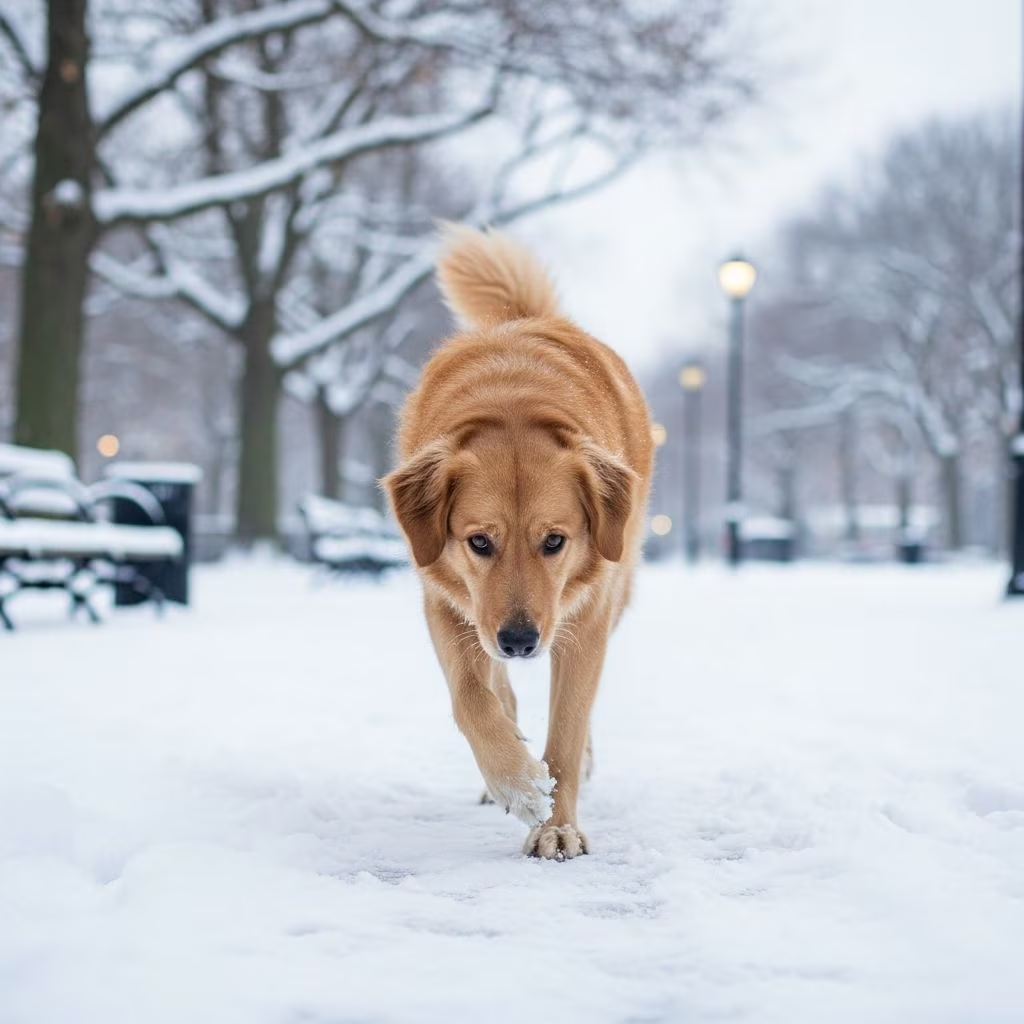
Winter brings unique challenges for dogs, from extreme cold causing frostbite and hypothermia to hidden toxins like antifreeze and road salts irritating paws. Understanding these risks allows pet owners to take proactive steps, ensuring their companions stay safe and comfortable through the season.
Recognizing Cold-Related Emergencies
Dogs face severe threats from low temperatures, particularly frostbite and hypothermia. Frostbite freezes skin and tissues in extremities like ears, tails, and paws, while hypothermia lowers core body temperature, leading to weakness and organ failure if untreated.
- Frostbite signs: Pale, gray, or blistered skin; pain upon touching affected areas; swelling after thawing.
- Hypothermia indicators: Intense shivering, lethargy, shallow breathing, or unconsciousness in advanced stages.
Certain dogs are more vulnerable: small breeds, seniors, thin-coated varieties, and those with health issues like heart disease or hypothyroidism struggle to regulate body heat. Veterinary experts recommend limiting outdoor exposure when temperatures drop below freezing, especially for these groups.
Safeguarding Paws from Ice and Chemicals
Snow, ice, and de-icing salts create paw hazards, causing cracks, burns, and infections. Dogs often lick irritants off their feet, risking gastrointestinal upset or toxicity.
| Risk Factor | Effects on Paws | Prevention Method |
|---|---|---|
| Road Salt | Chemical burns, dryness | Pet-safe de-icers, paw rinsing |
| Ice Buildup | Cracking, cuts | Booties, paw wax |
| Cold Surfaces | Frostbite | Short walks, protective balms |
After every outing, rinse and dry paws thoroughly. Apply moisturizing balms to create a barrier, and trim fur between toes to prevent snow clumping. Booties provide full protection but introduce training—start indoors to build tolerance.
Dressing Dogs for the Cold
Not all dogs need winter gear, but short-haired breeds like Greyhounds, small puppies, and older pets benefit greatly from coats or sweaters. These add insulation, covering the body to block wind and prevent ice balls in fur.
- Choose well-fitted jackets that cover the torso and neck without restricting movement.
- Avoid shaving coats short; natural fur traps warmth. Selective trimming around sanitary areas reduces mess without compromising insulation.
- For nighttime walks, add reflective vests for visibility in low light.
Seniors with arthritis need extra support—orthopedic beds indoors and non-slip booties outdoors reduce slip risks on ice.
Toxic Threats in Winter Environments
Antifreeze is a silent killer, sweet-tasting to dogs but causing fatal kidney failure. Even small amounts are lethal, so store it securely and clean spills immediately.
- Symptoms of antifreeze poisoning: Drunken gait, vomiting, seizures—seek emergency vet care.
- Opt for propylene glycol-based antifreeze, which is less toxic.
Other dangers include heated pads without auto-shutoff, risking burns, and dry indoor air causing skin issues. Use humidifiers and pet-safe space heaters.
Adjusting Exercise and Mobility in Winter
Cold stiffens joints, worsening arthritis, while ice leads to slips. Shorten walks to 10-15 minutes in extreme cold, supplementing with indoor activities.
- Indoor options: Puzzle toys, tug games, scent work, or treadmill training.
- Clear yard paths, use gravel for traction, and avoid frozen water bodies—thin ice can’t support a dog’s weight.
For leashed walks, switch to front-clip harnesses to prevent pulling-induced falls. Carry a flashlight and stick to plowed routes.
Special Considerations for Vulnerable Dogs
Senior and Arthritic Dogs
Older dogs lose heat faster and face mobility challenges. Provide draft-free warm spots, heated mats, and joint supplements. Monitor for stiffness post-walks and consult vets for pain management.
Puppies and Small Breeds
These have higher surface-to-volume ratios, losing heat rapidly. Bundle them up, keep outings brief, and watch for early hypothermia signs like whining or huddling.
Breeds with Medical Conditions
Dogs with diabetes, hypothyroidism, or cardiovascular issues need tailored plans—frequent vet checkups, calorie boosts for warmth, and medication adjustments.
Preventing Escapes and Ensuring Identification
Winter disorients dogs; snow masks scents, and cold drives bolting for warmth. Snow can jam gates, creating escape opportunities.
- Secure all fences and doors daily.
- Ensure collars have current tags; microchips are essential for lost pets.
- Use GPS trackers on collars for real-time location.
In facilities or multi-dog homes, double-check enclosures before outings.
Indoor Comfort and Hydration Tips
Dry heated air cracks skin and paws—brush regularly to distribute oils and use humidifiers. Increase water intake as cold suppresses thirst, preventing dehydration.
- Offer warmed water and wet food.
- Boost calories by 10-20% for outdoor dogs to fuel thermoregulation.
Check bowls don’t freeze if dogs go outside briefly.
Common Winter Myths Debunked
- Myth: All dogs tolerate cold equally. Fact: Even husky breeds risk hypothermia below zero without shelter.
- Myth: Shaving keeps dogs cleaner. Fact: It removes vital insulation.
- Myth: Cars warm up quickly for pets. Fact: They cool faster than expected, risking hypothermia.
Frequently Asked Questions (FAQs)
How cold is too cold for my dog?
Temperatures below 32°F (0°C) are risky for small or thin-coated dogs; under 20°F (-7°C) endangers all breeds without protection. Factor in wind chill and duration.
Can dogs get frostbite on short walks?
Yes, paws and ears can frostbite in 15-30 minutes at 25°F (-4°C). Use booties and limit time.
What if my dog ingests antifreeze?
Induce vomiting only if advised by a vet, then rush to an emergency clinic for antidotes like fomepizole.
Do booties really help?
Absolutely—they shield from salt, ice, and cold. Train gradually with treats for acceptance.
How do I know if my dog has hypothermia?
Rectal temperature below 99°F (37°C) confirms it. Warm gradually with blankets and warm fluids; vet care is critical.
Year-Round Preparedness
Stock a winter kit: booties, balm, towels, pet-safe de-icer, extra blankets. Schedule pre-winter vet exams to address vulnerabilities. By anticipating hazards, you ensure joyful winter adventures for your dog.
References
- Winter safety tips — Cornell University College of Veterinary Medicine. 2023. https://www.vet.cornell.edu/departments-centers-and-institutes/riney-canine-health-center/canine-health-topics/winter-safety-tips
- Cold weather animal safety — American Veterinary Medical Association. 2024-01-15. https://www.avma.org/resources-tools/pet-owners/petcare/cold-weather-animal-safety
- Protect Your Pets from Winter Hazards — University of Wisconsin School of Veterinary Medicine. 2023-11-20. https://www.vetmed.wisc.edu/protect-your-pets-from-winter-hazards/
- Cold Weather Safety Tips — ASPCA. 2024. https://www.aspca.org/pet-care/general-pet-care/cold-weather-safety-tips
- Winter Pet Safety Tips: Protecting from Cold Weather Hazards — Kennel Connection. 2023-12-05. https://kennelconnection.com/blog/winter-pet-safety-tips-dogs-cold-weather/



