Winter Dog Grooming Tips: Complete Guide
Master winter dog grooming with expert tips for paws, coat, and skin care.
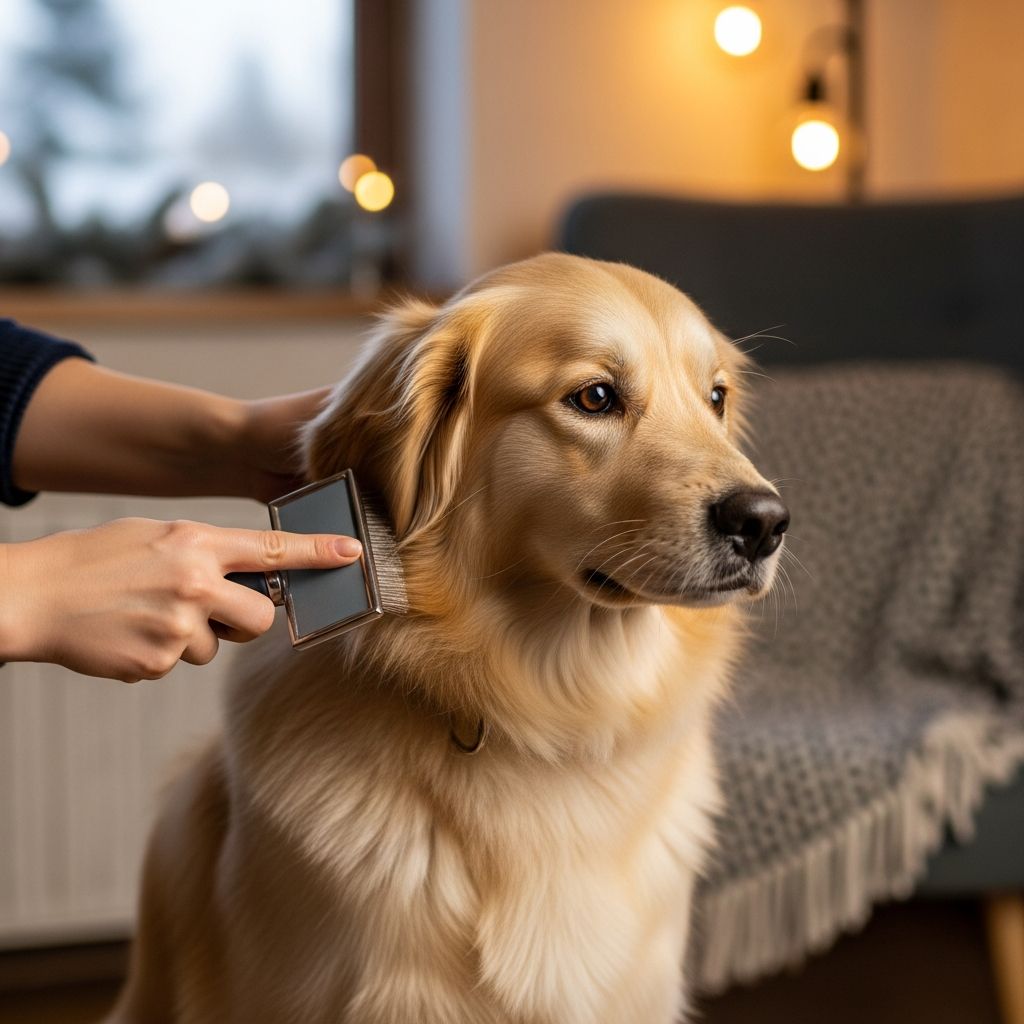
Winter Dog Grooming Tips: A Complete Guide to Keeping Your Pup Comfortable
As the temperature drops and winter arrives, your dog’s grooming needs change significantly. The cold, dry air, snow, ice, and salt used on roads and sidewalks can take a toll on your furry friend’s skin, coat, and paws. Proper winter grooming is essential not just for maintaining your dog’s appearance, but more importantly, for protecting their health and comfort during the harsh winter months. Whether your dog is a short-haired breed or has a luxurious long coat, implementing a winter grooming routine will help ensure they stay healthy, happy, and comfortable all season long.
Understanding Winter Grooming Challenges
Winter presents unique grooming challenges that differ significantly from other seasons. The combination of cold temperatures, low humidity, snow, ice, and de-icing salt creates an environment that can lead to dry skin, cracked paw pads, matted fur, and other uncomfortable conditions. Additionally, many dogs spend more time indoors near heating systems, which further dries out both their skin and the surrounding air. Understanding these challenges is the first step toward developing an effective winter grooming strategy that addresses your dog’s specific needs.
Protecting Your Dog’s Paws During Winter
Your dog’s paws are among the most vulnerable areas during winter and require special attention and care. The paw pads are constantly exposed to cold temperatures, ice, snow, and potentially harmful de-icing products.
Applying Protective Paw Balms
One of the most effective ways to protect your dog’s paws is by applying a nourishing paw balm regularly. During winter, the dry environment can cause your dog’s paw pads to crack and become painful. Quality paw balms containing natural ingredients like shea butter, coconut oil, and beeswax create a protective barrier that prevents moisture loss and shields the paws from harsh environmental conditions. Apply the balm to clean, dry paws and gently massage it into the affected areas. For best results, apply paw balm several times a week or as needed, especially after outdoor adventures.
Investing in Dog Booties
Dog booties are one of the most practical solutions for winter paw protection. Ice and snow can accumulate on paw pads, causing discomfort and potential injury. Most importantly, ice melt products commonly used on roads and sidewalks contain salt, which can cause gastrointestinal distress in dogs when they lick it off their feet or consume snow contaminated with these products. Additionally, the salts and cold temperatures can lead to skin irritation, drying, and cracking of the paw pad skin. When selecting booties, choose ones that fit snugly without restricting movement and that have good traction on icy surfaces. Many dogs require an adjustment period to get comfortable wearing booties, so start the training process early in the season.
Regular Paw Inspections and Cleaning
Make it a habit to inspect your dog’s paws daily during winter, looking for signs of cracking, redness, irritation, or accumulation of ice balls between the pads. After each outdoor excursion, wipe down your dog’s paws with a warm, damp towel before they have a chance to lick them and potentially ingest harmful substances. Pay special attention to the area between the paw pads where moisture and debris can accumulate. Keeping the fur between the paw pads trimmed also helps minimize the accumulation of mud, ice, and snow, reducing the amount of dirt tracked into your home and decreasing discomfort for your dog.
Maintaining Your Dog’s Coat in Cold Weather
Your dog’s coat serves as their primary defense against cold temperatures. Proper winter coat maintenance ensures this natural insulation works effectively while preventing matting and other coat-related issues.
Providing Winter Clothing
While dogs have natural coats, many benefit from additional protection during winter. Generally, if the temperature drops below 20 degrees Fahrenheit, most dogs should wear a winter coat. However, smaller or thin-coated breeds may need a jacket even when temperatures are as high as 40 degrees Fahrenheit. When selecting a winter coat for your dog, look for one that provides adequate insulation, fits properly without restricting movement, and ideally includes reflective materials for visibility during shorter winter days. Ensure the coat covers your dog’s back, sides, and belly, leaving room for comfortable movement.
Managing Dry, Itchy Winter Skin
Winter weather can significantly impact your dog’s skin health. The combination of cold, dry outdoor air and heated indoor environments creates an ideal environment for skin dryness and irritation. To combat this issue, switch to a moisturizing dog shampoo and conditioner formulated specifically for dry, sensitive skin. Look for products containing soothing ingredients like oatmeal and aloe, which have been used for centuries to calm irritated skin. When bathing your dog during winter, use warm—not hot—water, as hot water can further strip natural oils from the skin. Additionally, bathing your dog less frequently in winter can help preserve natural skin oils. Encourage increased water intake by adding warm water to your dog’s food, which helps prevent dehydration and supports healthy skin from the inside out. Using a humidifier in your home can also help counteract the drying effects of heating systems on both your dog’s skin and the surrounding environment.
Preventing and Managing Matted Fur
It may be tempting to let your dog’s fur grow out during winter for extra warmth, but this can lead to matting and discomfort if not properly maintained. The best approach is to keep your dog’s fur slightly longer than you would during summer months, but still maintain a regular grooming schedule with visits to a professional groomer. Between grooming appointments, thoroughly brush your dog’s coat several times a week to prevent mats and tangles from forming. After any outdoor adventures in the snow, brush your dog’s coat to remove snow and debris that can freeze and mat the fur. An absorbent microfiber towel is invaluable for helping your pet dry off quickly after outdoor time, which also helps prevent matting caused by damp fur.
Grooming Best Practices for Winter
Beyond paw and coat care, there are several additional grooming practices that support your dog’s overall health and comfort during winter months.
Establishing a Consistent Grooming Schedule
Consistency is key when it comes to winter dog grooming. Establish a regular grooming schedule that includes weekly brushing sessions, monthly nail trims, and professional grooming every 4-8 weeks depending on your dog’s coat type. This regular maintenance helps you catch any skin issues early and prevents the buildup of mats and debris.
Grooming Tools and Products
Invest in high-quality grooming tools appropriate for your dog’s coat type. Use metal combs for tackling unruly coats and slicker brushes for general coat maintenance. Keep grooming tools clean and in good condition to ensure effective grooming sessions. Stock up on winter-specific grooming products including moisturizing shampoos, conditioning treatments, paw balms, and nose balms.
Professional Grooming Services
During winter, professional grooming becomes even more important. A professional groomer can provide specialized treatments for dry skin, ensure proper nail length to maintain paw pad health, and offer expert advice on maintaining your dog’s coat during harsh weather. Professional groomers have access to specialized equipment and products that may not be available for home use.
Addressing Common Winter Skin Issues
Despite your best efforts, some dogs may still experience skin problems during winter.
Dry and Flaky Skin
Dry and flaky skin is one of the most common winter skin problems in dogs, mirroring issues many humans experience. If you notice your dog’s skin seems excessively itchy or irritated, consult your veterinarian. While the culprit may be the drying winter air, your vet can determine if allergies are involved and help tailor a treatment plan, which may include supplements designed to bolster your dog’s allergy and immune response.
Cracked Nose and Paw Pads
Some dogs’ noses may turn paler in color during winter, a condition called a “weathered nose,” which may also appear cracked and crusty. A dry winter nose can be maintained by applying a dog-specific nose balm regularly to keep it clean and healthy. Similarly, cracked paw pads can be alleviated by adding nourishing paw balm treatments to your winter care routine. These specialized formulas soothe and moisturize dry paw pads while providing protective benefits.
Creating an Effective Winter Grooming Routine
An effective winter grooming routine should include the following components:
– Daily paw inspections and cleaning after outdoor activities- Application of paw balm and nose balm as needed- Brushing the coat 2-3 times per week to prevent matting- Bathing your dog every 4-6 weeks with moisturizing products- Maintaining a humidifier in your home to combat dry air- Ensuring your dog wears appropriate winter clothing when necessary- Regular visits to a professional groomer every 4-8 weeks- Monitoring your dog’s skin for signs of irritation or excessive itching
Frequently Asked Questions About Winter Dog Grooming
Q: At what temperature should I put a coat on my dog?
A: Most dogs should wear a winter coat when temperatures drop below 20 degrees Fahrenheit. However, smaller breeds, thin-coated dogs, senior dogs, or dogs with health conditions may need a coat even at temperatures as high as 40 degrees Fahrenheit.
Q: How often should I bathe my dog in winter?
A: In winter, bathe your dog less frequently than in other seasons—typically every 4-6 weeks—to help preserve natural skin oils. Always use warm water and moisturizing shampoos formulated for dry skin.
Q: What should I do if my dog refuses to wear booties?
A: If your dog is resistant to booties, start training early by having them wear booties indoors for short periods. Always wipe their paws thoroughly after outdoor walks and consider using paw balm for protection.
Q: Can I let my dog’s fur grow longer in winter for warmth?
A: Yes, you can allow your dog’s fur to grow slightly longer in winter, but maintain regular brushing several times weekly and professional grooming every 4-8 weeks to prevent matting.
Q: How can I prevent dry skin in winter?
A: Use moisturizing shampoos and conditioners, encourage increased water intake, add a humidifier to your home, bathe your dog with warm water, and apply moisturizing treatments to dry areas like paws and nose.
Q: What are the best ingredients to look for in winter grooming products?
A: Look for products containing natural moisturizing ingredients like shea butter, coconut oil, beeswax, oatmeal, aloe, flaxseed, and vitamin E, which all help protect and nourish dry winter skin.
Conclusion: Keeping Your Dog Comfortable All Winter Long
Winter grooming requires a proactive and comprehensive approach to ensure your dog stays healthy, comfortable, and happy throughout the cold months. By implementing a solid winter grooming routine that addresses paw protection, coat maintenance, and skin health, you can significantly reduce the risk of winter-related discomfort and health issues. Remember that every dog is unique, so pay attention to your individual dog’s needs and adjust your grooming routine accordingly. When in doubt, consult with your veterinarian or professional groomer for personalized recommendations. With proper winter grooming care, your dog can enjoy outdoor activities and remain comfortable and healthy all season long.
References
- How to Protect Dog Paws, Coat and Nose in Winter — Chewy. 2024. https://www.chewy.com/education/dog/health-and-wellness/how-to-protect-dog-paws-in-winter
- How to Revamp Your Dog’s Skincare Routine For Winter — Chewy. 2024. https://www.chewy.com/education/dog/health-and-wellness/how-to-solve-common-winter-dog-skin-problems
Similar Articles



Read full bio of Sneha Tete