Winter Dog Clothes: Keep Your Pup Toasty and Trendy
Discover stylish and warm winter dog clothes to keep your furry friend cozy all season long.
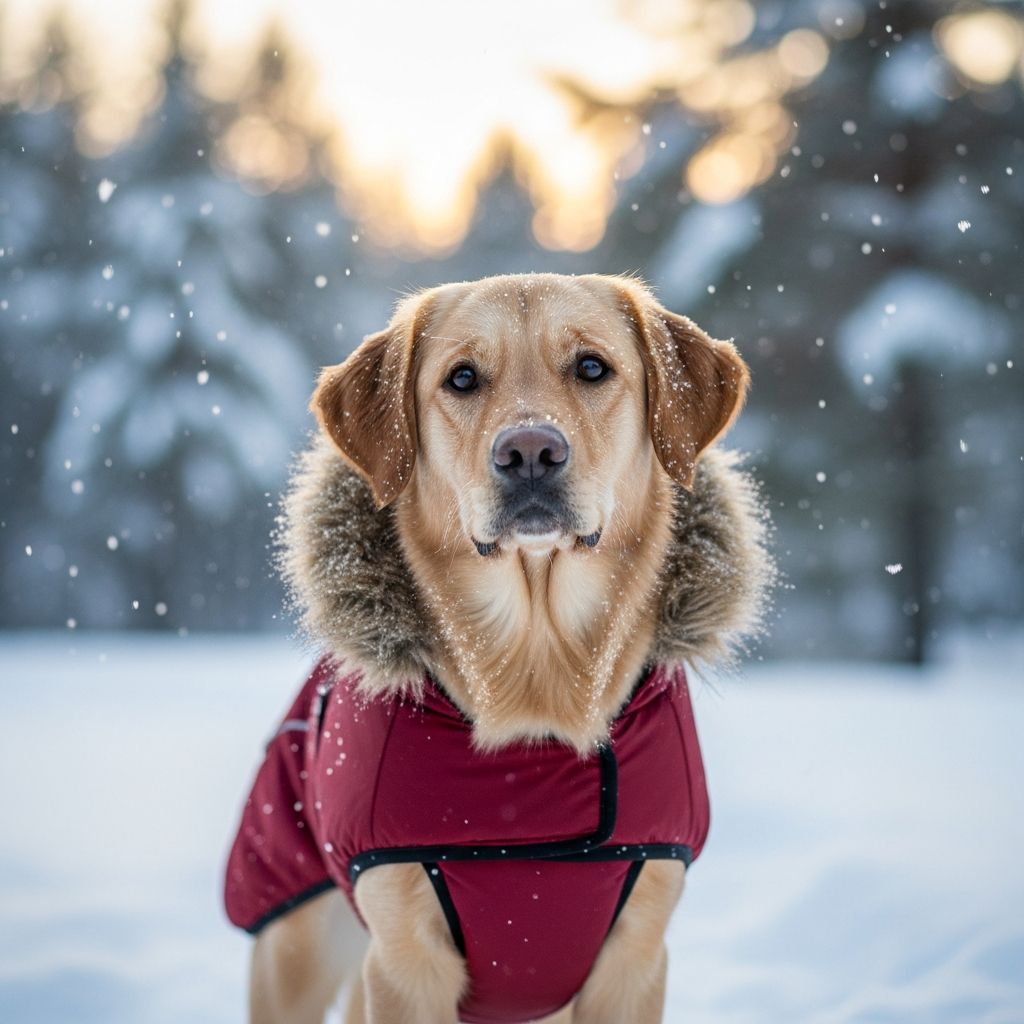
Winter Dog Clothes to Keep Your Fur Fam Toasty and On-Trend This Season
As temperatures drop and winter weather arrives, it’s time to think about keeping your beloved canine companion warm and comfortable. Just like humans, dogs need extra layers during the colder months to protect them from frigid temperatures, wind, and moisture. Winter dog clothes aren’t just a fashion statement—they’re a practical necessity for maintaining your pet’s health and well-being during the cold season. Whether your pup is a delicate toy breed or a hardy working dog, the right winter wardrobe can make all the difference in keeping them cozy, safe, and happy throughout the season.
Why Winter Clothes Matter for Your Dog
Winter poses unique challenges for dogs, particularly those with short coats, smaller body frames, or breeds not naturally adapted to cold climates. Cold weather can lead to hypothermia, frostbite, and discomfort in sensitive areas like paw pads and ear tips. Winter dog clothes provide essential protection by creating an insulating barrier against harsh elements. Additionally, winter gear helps keep your dog clean by preventing snow, slush, and mud from matting into their fur, reducing the need for extensive post-playtime grooming sessions. For senior dogs and those with health conditions, maintaining proper body temperature becomes even more critical to their overall comfort and safety.
Types of Winter Dog Clothes
Lightweight Jackets
Lightweight jackets are perfect for dogs who get cold easily or for mild winter weather conditions. These versatile pieces allow your dog to enjoy outdoor activities without the risk of overheating, making them ideal for transitional seasons or moderate climates. Lightweight jackets typically feature water-resistant materials and can be layered with other pieces for added warmth during particularly chilly days.
Insulated Jackets
Insulated jackets represent the gold standard of winter dog wear for moderate to severe cold conditions. These coats incorporate thermal lining and quilted insulation to trap body heat and maintain your dog’s core temperature. High-quality insulated jackets like the True North Parka feature warm ratings and robust construction with water-resistant exteriors and fleece linings that provide maximum protection during outdoor adventures.
Snowsuits and Bodysuits
For the ultimate winter protection, snowsuits and bodysuits offer complete full-body coverage, including the legs—areas often exposed to cold and moisture. These comprehensive one-piece garments are especially beneficial for lean-bodied dogs, hairless breeds, and those with longer legs who are particularly susceptible to cold weather. The Snow Suit exemplifies this category perfectly, featuring thermal foil lining and water-resistant exteriors with full-body coverage available in multiple colors and sizes.
Parkas and Heavy-Duty Coats
Parkas designed for dogs provide premium insulation and are often equipped with dual-closure systems to seal against wind chill. The Alaskan Army Parka, for instance, combines water-resistant exteriors with sherpa lining and faux-down insulation, making it ideal for small, short-haired breeds sensitive to frigid temperatures. These heavy-duty options are engineered to withstand the harshest winter conditions while maintaining comfort and mobility.
Fleece Coats and Sweaters
Made from thick fleece materials, these coats provide cozy warmth for fall and winter seasons while maintaining ease of adjustment and leash attachment. Fleece coats like the Highline Fleece option come in multiple color combinations and size ranges accommodating breeds from tiny toy dogs to large giants, ensuring every pup can find the perfect fit.
Choosing the Right Winter Clothes for Your Dog
Consider Your Dog’s Breed
Different breeds have varying cold tolerance levels based on their natural coat characteristics. Double-coated breeds like Huskies and Golden Retrievers have built-in insulation and typically need lighter protection, while single-coated breeds require more substantial insulation. Short-haired breeds such as Pugs and Greyhounds benefit especially from winter clothes with robust insulation. For breeds with longer hair, full-coverage snowsuits prevent snow matting and eliminate painful post-play grooming sessions.
Climate and Temperature
Your geographic location plays a crucial role in determining what type of winter clothes your dog needs. Dogs in temperate climates may require only lightweight jackets, while those in areas where temperatures frequently plunge near or below freezing need insulated, weatherproof coats. Consider the typical winter forecast for your area and choose clothing with protective outer shells that repel water and snow.
Size and Fit
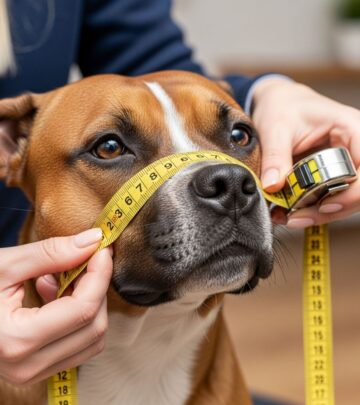
Proper fit is essential for both comfort and functionality. Winter coats should allow your dog freedom of movement while providing adequate protection from the elements. Look for adjustable features like velcro closures and stretch materials that accommodate growth and ensure a snug fit. Many quality winter coats feature adjustable straps and elastic components like the Elasto-Fit® technology found in premium dog coats, making fitting easier and more comfortable.
Activity Level
Consider how active your dog is during winter months. High-performance dogs engaged in snow play need coats that maintain mobility and flexibility, such as those with stretch knit fabrics and articulated designs. For less active dogs, maximum insulation becomes more important than range of motion flexibility.
Popular Winter Dog Coat Styles for Every Need
| Coat Type | Best For | Key Features | Warmth Rating |
|---|---|---|---|
| True North Parka | Single-coated dogs | Water-resistant quilted exterior, fleece lining, dual-velcro closure | Warmest |
| Snow Suit | Short-haired and long-haired breeds | Thermal foil lining, water-resistant, full-body coverage | Warmer |
| Alaskan Army Parka | Small, short-haired breeds | Water-resistant, sherpa lining, faux-down insulation | Very Warm |
| Slush Suit | Double-coated breeds | Water-resistant, unlined, layerable | Moderate |
| Expedition Coat 2.0 | Large and giant breeds | Thermal lining, water-resistant shell, extended size range | Warmest |
Trendy Winter Fashion for Pups
Winter dog clothes have evolved beyond basic functionality to include stylish designs that let your pup’s personality shine. Retro ski-inspired looks with color-blocking designs combine vintage aesthetics with modern activewear functionality. Reflective camo, bold plaids, and classic solid colors make it easy to coordinate your dog’s winter wardrobe with your own style. Premium options feature fashionable sherpa linings and luxurious materials that keep your dog looking and feeling fabulous throughout the season. Whether you prefer army green, salt and pepper, classic black, vibrant pink, or eye-catching green camo, today’s winter dog clothes offer something for every taste and personality.
Layering Strategies for Maximum Warmth
Strategic layering can significantly enhance your dog’s winter protection and comfort. For extreme cold conditions, layer a lightweight Slush Suit over a Thermal Tech Fleece to trap heat while maintaining your dog’s natural insulation. This approach works particularly well for double-coated breeds, as it prevents overheating while providing necessary protection. Unlined water-resistant jackets over thermal fleece create a versatile system that adapts to changing temperatures throughout the day. When selecting layers, ensure each piece allows proper movement and that the combined weight remains manageable for your dog.
Advanced Features in Modern Winter Dog Coats
Contemporary winter dog clothes incorporate innovative technologies and design elements. Waterproof, windproof, breathable three-layer fabrics protect against moisture while allowing ventilation. Leg loops and leash portals enable secure fastening and easy harness compatibility. Extended hip and thigh coverage protects vulnerable areas during active play. Reflective trim and light loops enhance visibility during early morning or evening outdoor activities. Storm collars provide maximum weather protection when folded up, and articulated stretch sleeves maintain freedom of movement. These advanced features ensure your dog stays safe, comfortable, and visible during winter adventures.
Size and Breed-Specific Recommendations
Small Breeds
Small dogs with limited body fat require more robust insulation. Parkas with sherpa lining and faux-down insulation like the Alaskan Army Parka offer ideal warmth and protection. These dogs benefit from full-body coverage snowsuits and comprehensive insulation options that single-coated breeds cannot rely on from their natural coats.
Medium Breeds
Medium-sized dogs with short hair typically do well with insulated jackets or thermal-lined coats that provide balanced warmth without excessive bulk. The Snow Suit works excellently for these breeds, offering full-body protection available in sizes accommodating most medium-sized dogs.
Large and Giant Breeds
Larger breeds often have sufficient body mass to generate heat, but double-coated giants like Rottweilers and Saint Bernards may still need protection during extreme conditions. Extended-size options like the Expedition Coat 2.0, available up to size 36, ensure perfect fit for barrel-chested and giant breeds requiring professional-grade winter protection.
Double-Coated Breeds
Double-coated breeds such as Huskies already possess natural insulation and typically need lighter, unlined protection that prevents overheating. Water-resistant outer shells like the Slush Suit work perfectly, protecting these dogs from snow and moisture without trapping excessive heat. These dogs can benefit from layering systems for extreme temperatures but generally require less intensive insulation than single-coated breeds.
Health and Comfort Considerations
Winter clothes help reduce stress and keep smaller breeds calm and comfortable during cold weather. Proper insulation maintains body temperature, particularly important for senior dogs and those with health conditions. Quality winter wear protects sensitive areas including paw pads, ear tips, and the belly from frostbite and cold exposure. Additionally, winter gear minimizes sun exposure for short-haired dogs, reducing skin cancer risk. Always ensure your dog’s coat allows freedom of movement and doesn’t restrict breathing or bathroom activities.
Maintenance and Care Tips
Proper maintenance extends your winter dog clothes’ lifespan and effectiveness. Check zippers, velcro closures, and seams regularly for damage. Most coats can be gently spot-cleaned with mild soap and air-dried. Some premium coats feature removable linings for easier cleaning. Store winter clothes in dry, cool spaces during off-season months. Before winter arrives, test your dog’s comfort with short outdoor adventures to assess their needs and adjust your selections accordingly. Regularly inspect your dog’s skin under the coat for any irritation or moisture buildup.
Frequently Asked Questions
Q: At what temperature should I put a winter coat on my dog?
A: Generally, once temperatures drop below 45°F (7°C), most dogs benefit from additional protection. Small, short-haired, senior, or thin dogs may need coats at higher temperatures, while cold-weather breeds might tolerate colder temperatures without protection.
Q: Can I leave a winter coat on my dog all day?
A: It’s best to remove winter coats when your dog is indoors and warm. Leaving coats on constantly can cause skin irritation and matting. Only use winter clothes during outdoor activities or in genuinely cold conditions.
Q: How do I know if my dog is too cold?
A: Signs of cold include shivering, reluctance to go outside, seeking warmth constantly, lifting paws frequently, or showing anxiety. If your dog displays these behaviors, bring them inside and consider adding more insulation to their winter wardrobe.
Q: Are winter clothes necessary for all dogs?
A: Not all dogs need winter clothes. Breeds with thick double coats typically handle cold well. However, small breeds, short-haired dogs, senior dogs, puppies, and those with low body fat generally benefit significantly from winter protection.
Q: Can waterproof coats cause overheating?
A: Quality waterproof coats with breathable fabrics won’t cause overheating. However, avoid leaving waterproof coats on for extended periods indoors, and never use them in warm weather when your dog needs natural temperature regulation.
Q: What’s the difference between a jacket and a snowsuit?
A: Jackets cover the back and sides, while snowsuits provide complete full-body coverage including the legs. Snowsuits offer superior protection and are especially beneficial for lean breeds with longer legs.
Q: How should winter clothes fit my dog?
A: Winter clothes should fit snugly without restricting movement. You should be able to fit one or two fingers under the collar, and your dog should move naturally without stiffness. Adjustable features allow customized fitting.
References
- How to Dress Your Dog for Winter Weather Based on Their Breed — Canada Pooch. Accessed 2025. https://canadapooch.com/blogs/news/dog-winter-clothes-by-breed
- Does My Dog Need a Winter Coat? Finding the Right Jacket for Your Dog — American Kennel Club. Accessed 2025. https://www.akc.org/expert-advice/lifestyle/dog-winter-coat/
- Top 10 Best Dog Winter Coats For 2025 Reviewed & Tested — The Dog Outdoors. Accessed 2025. https://www.thedogoutdoors.com/pages/top-10-best-dog-winter-coats-our-picks-for-best-winter-dog-jackets
- Winter Dog Gear: Dog Coats, Boots, & More for Cold Weather — Ruffwear. Accessed 2025. https://ruffwear.com/collections/winter-dog-gear
- Winter attire for dogs keeps them calm and comfortable — CVETS. Accessed 2025. https://cvets.net/winter-attire-for-dogs-keeps-them-calm-and-comfortable/
- 10 Types of Practical Dog Clothes You Actually Need — Spark Paws. Accessed 2025. https://www.sparkpaws.com/blogs/community/practical-dog-clothes
Similar Articles




Read full bio of medha deb