

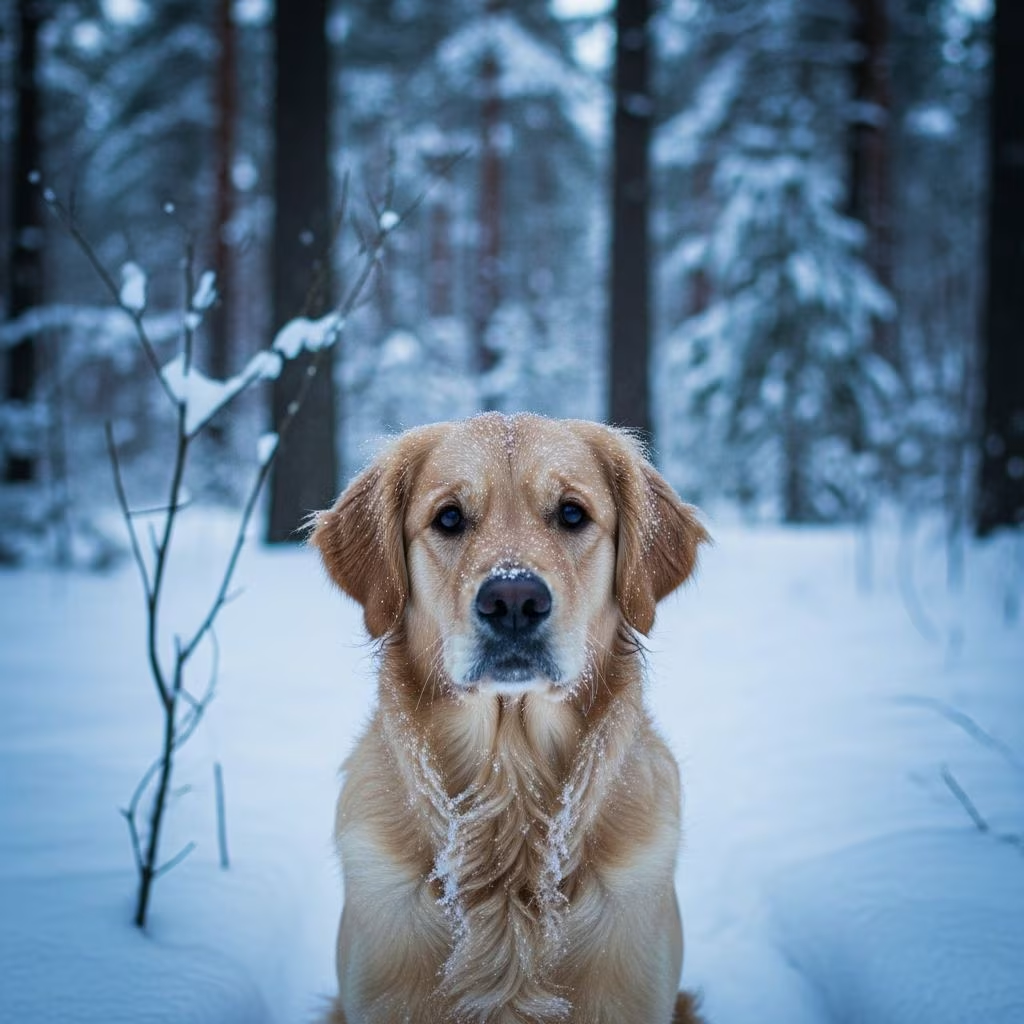
Cold weather brings unique challenges for dogs, from extreme low temperatures causing frostbite and hypothermia to hidden toxins like de-icing salts and antifreeze. Understanding these risks allows pet owners to take proactive steps, ensuring their dogs remain safe, comfortable, and healthy throughout the season.
Recognizing Cold-Related Emergencies
Dogs face severe threats from freezing conditions, particularly when temperatures drop below 32°F (0°C), where frostbite risks increase, and below 20°F (-7°C) with wind chill, short exposures become hazardous.
**Frostbite** affects extremities like ears, tails, and paws, where tissues freeze, leading to pale, numb skin that may blister or blacken later. Early signs include discolored skin and pain upon warming.
**Hypothermia** occurs as body temperature falls below 99°F (37.2°C), starting with shivering and progressing to lethargy, weak pulse, and unconsciousness. Small, thin-coated, or senior dogs are most vulnerable.
- Monitor behavior during walks: excessive shivering, reluctance to move, or hunched posture signals distress.
- Act immediately: Bring the dog indoors, wrap in blankets, offer warm (not hot) fluids, and contact a vet.
Safeguarding Paws from Ice, Salt, and Snow
Paws suffer from cold concrete, sharp ice, and corrosive de-icing chemicals, which irritate skin, cause cracks, and lead to infections if licked.
Salt and ice melts are especially problematic; ingestion causes vomiting, diarrhea, or burns in the mouth and gut.
| Risk Factor | Symptoms | Prevention |
|---|---|---|
| Cold Surfaces | Cracked pads, frostbite | Booties, paw wax |
| De-icing Salts | Irritation, GI upset | Rinse paws post-walk, pet-safe melts |
| Ice Buildup | Discomfort, cuts | Trim toe fur, dry thoroughly |
- Wipe paws with damp cloths or rinse after every outing to remove irritants.
- Apply protective balms before walks to create a moisture barrier.
- Use booties for acclimated dogs, rewarding with treats to build tolerance.
Antifreeze and Other Toxic Winter Chemicals
Antifreeze, with its sweet taste, is deadly even in small amounts, causing kidney failure within hours. It’s common in driveways from car leaks.
- Store securely and opt for pet-safe alternatives like propylene glycol-based products.
- Watch for drooling, drunken gait, or seizures—induce vomiting only under vet guidance.
Other hazards include rodenticides in garages and fertilizers, all amplified by dogs’ tendency to lick residues off paws or floors.
Dressing for the Cold: Coats, Sweaters, and Gear
Not all dogs need winter attire, but short-haired breeds (e.g., Greyhounds, Pit Bulls), puppies, seniors, and small dogs benefit greatly.
- Choose waterproof coats covering belly and back; snoods protect ears.
- Reflective gear enhances visibility during dark walks.
- Avoid shaving double-coated breeds, as undercoats insulate.
Test fit: Gear should allow free movement without slipping. Gradually introduce to prevent stress.
Indoor Winter Wellness: Dry Air, Heat Sources, and Comfort
While outdoors pose obvious risks, indoors bring dry air causing flaky skin and chapped noses, plus burns from space heaters or fireplaces.
- Humidify air to 40-60% to prevent dehydration.
- Position beds away from drafts, vents, and heat sources; use orthopedic foam for joint support.
- Increase omega-3 supplements for coat health if vet-approved.
Seniors with arthritis need extra care: Warmth eases stiffness, so heated pads (supervised) and gentle indoor exercise help.
Adjusting Exercise and Outdoor Time
Shorten walks in sub-freezing temps—aim for 10-15 minutes, checking for discomfort.
- Shovel play areas, avoiding thin ice over ponds.
- Provide non-slip mats at entrances to prevent falls.
- Indoor alternatives: Puzzle toys, flirt poles, or scent games maintain mental stimulation.
Thick-coated northern breeds tolerate cold better, but no dog should be left outside unattended.
Preventing Escapes and Ensuring Identification
Winter disorients dogs—snow covers scents, cold slows them, increasing lost pet risks.
- Verify collars/tags are current; microchip all dogs.
- Secure gates/doors against ice jams.
- Leash walks strictly, even in yards.
Special Needs: Puppies, Seniors, and Medical Cases
Puppies lose heat fast due to size and thin fur; limit exposure and monitor closely.
Seniors or dogs with hypothyroidism, heart disease, or diabetes struggle with thermoregulation—frequent vet checkups and tailored diets advised.
Nutrition and Hydration in Cold Months
Dogs burn more calories staying warm, so increase food by 10-20% for active pets, consulting vets for obese or ill ones.
- Ensure constant fresh water; warm it slightly to encourage drinking amid low humidity.
- Boost fats/proteins for energy and coat protection.
Frequently Asked Questions
What temperature is too cold for my dog?
Below 32°F for most; under 20°F is risky for all except Arctic breeds. Factor wind chill and duration.
Do dogs need booties in snow?
Yes, for protection from cold, salt, and ice—especially short walks on treated paths.
Can I leave my dog outside in winter?
Generally no; provide insulated, elevated shelters only if unavoidable, with unrestricted indoor access.
How do I know if my dog has frostbite?
Look for pale, swollen, or painful ears/paws/tail. Warm gently and see a vet immediately.
Is antifreeze toxic to dogs?
Highly— even a teaspoon can kill. Use pet-safe versions and clean spills promptly.
Seasonal Checklist for Dog Owners
- Prep Gear: Coat, booties, balm, reflective leash.
- Daily Routine: Short walks, paw rinses, warm bedding.
- Emergency Kit: Blankets, warm water, vet hotline.
- Monthly Checks: ID tags, microchip, health exam.
References
- Winter Pet Safety Tips: Protecting from Cold Weather Hazards — Kennel Connection. 2023-12-15. https://kennelconnection.com/blog/winter-pet-safety-tips-dogs-cold-weather/
- Winter Health Risks for Pets and How to Prevent Them — Animal Hospital at Hillshore. 2024-01-10. https://animalhospitalathillshore.com/winter-health-risks-for-pets-and-how-to-prevent-them/
- Dog Winter Safety Tips — VCA Animal Hospitals. 2024-11-20. https://vcahospitals.com/resources/lifestyle-dog/hazards-safety/winter-safety-tips
- How to Keep Your Dog Safe and Healthy This Winter — Embarkvet. 2023-11-05. https://embarkvet.com/resources/dog-winter-health-tips/
- Protect Your Pets from Winter Hazards — UW School of Veterinary Medicine. 2024-02-14. https://www.vetmed.wisc.edu/protect-your-pets-from-winter-hazards/
- Bundle Up, Pup: A Veterinarian’s Guide to Cold Weather Safety for Pets — South Hyland. 2023-12-01. https://southhyland.com/bundle-up-pup-a-veterinarians-guide-to-cold-weather-safety-for-pets/



