

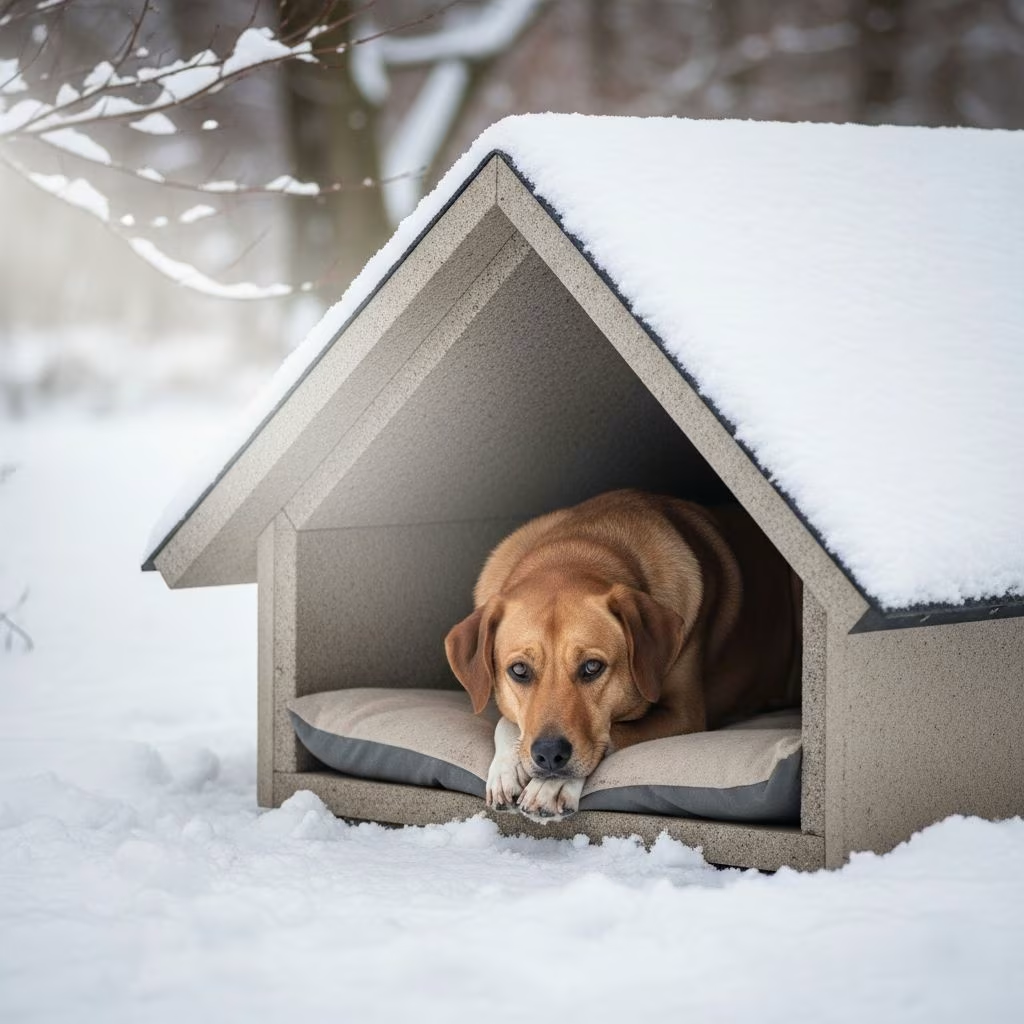
Dog owners who keep their pets outdoors during winter months face a significant challenge: ensuring their furry companions remain safe, warm, and comfortable despite freezing temperatures and harsh weather conditions. While some dog breeds are naturally better equipped to handle cold climates, all dogs benefit from proper shelter during winter. Understanding the difference between insulated dog houses and heated dog houses, along with the features that matter most, can help pet owners make informed decisions about protecting their outdoor dogs.
Understanding the Distinction Between Insulation and Active Heating
When it comes to protecting outdoor dogs from winter weather, two primary approaches exist: passive insulation and active heating systems. These methods work differently and serve different purposes depending on your dog’s specific needs and your climate conditions.
Insulated dog houses rely on specialized materials to trap and preserve body heat naturally generated by your dog. This passive approach uses various insulation materials strategically placed within the structure to prevent cold air from penetrating the interior space. The dog’s own body warmth becomes the primary heat source, making this approach sustainable and energy-efficient.
Heated dog houses combine insulation with an active heat source, typically an electric heating pad or similar heating device. This dual approach ensures consistent warmth even in extreme cold conditions, providing an extra layer of protection that passive insulation alone cannot achieve.
Common Insulation Materials and Their Effectiveness
The quality of insulation directly impacts how well a dog house maintains internal temperatures. Pet owners should understand the various materials used in modern heated and insulated dog houses:
- Blanket insulation: Provides moderate thermal resistance and works well in moderately cold climates
- Foam boards: Offer excellent insulation value with minimal thickness, making them ideal for compact structures
- Rock wool: Delivers superior insulation properties and fire-resistant qualities for added safety
- Cork materials: Provide natural insulation with eco-friendly benefits and durability
- Foam spray applications: Allow for complete coverage, eliminating gaps and thermal bridges throughout the structure
- High-density polyethylene (HDPE): Creates durable, well-insulated walls that prevent drafts while remaining lightweight and easy to maintain
Each material offers distinct advantages, and many modern heated dog houses combine multiple materials to maximize thermal efficiency and durability.
Essential Features of Modern Heated Dog Houses
Contemporary heated dog houses incorporate several design elements that work together to create a comfortable environment for outdoor dogs:
Self-Regulating Heating Technology
Advanced heated dog houses feature self-regulating heating systems that automatically adjust temperature based on external conditions. This intelligent approach prevents overheating while ensuring consistent warmth, eliminating the need for manual temperature adjustments and reducing safety concerns associated with traditional heating methods.
Weather-Resistant Construction
Quality heated dog houses are built with materials that withstand rain, snow, wind, and other environmental challenges. Durable, weather-resistant exteriors protect the internal heating system and insulation from moisture damage, extending the product’s lifespan and maintaining its effectiveness over multiple winters.
Elevated Base Design
An elevated floor keeps dogs off cold, wet ground while promoting air circulation beneath the structure. This design feature prevents moisture accumulation, reduces the risk of parasites and infections associated with prolonged ground contact, and enhances overall comfort by creating a dry sleeping surface.
Strategic Entrance Design
Magnetic dual-flap doors and tunnel entrances serve multiple purposes. They reduce heat loss by creating an airlock effect, prevent drafts from entering the main chamber, keep insects and pests out, and allow dogs to enter and exit easily while maintaining the structure’s thermal efficiency.
Ventilation Systems
Proper ventilation ensures fresh air circulation while preventing moisture buildup inside the heated dog house. Adequate airflow prevents the accumulation of stale air and humidity, creating a healthier environment that reduces respiratory issues and maintains comfort levels.
Temperature Regulation Benefits for Outdoor Dogs
Unlike humans who regulate body temperature through sweating, dogs rely primarily on panting to cool themselves. During winter months, outdoor dogs face opposite challenges—their bodies must work harder to maintain normal body temperature when exposed to cold conditions. Heated and insulated dog houses address this biological challenge by:
- Reducing the energy dogs must expend to maintain normal body temperature
- Preventing heat loss through conduction, convection, and radiation
- Creating a stable microclimate that adapts to seasonal changes
- Protecting against dangerous temperature extremes that can lead to hypothermia or frostbite
- Allowing dogs to rest comfortably without constant physical exertion to stay warm
Year-Round Utility and Seasonal Flexibility
Modern heated and insulated dog houses offer benefits beyond winter months. The same insulation that traps warmth in winter also keeps interiors cooler during summer by reflecting heat and providing shade. Dogs benefit from a temperature-regulated environment that promotes better sleep quality, reduces stress, and allows extended outdoor time regardless of season.
This year-round functionality makes heated and insulated dog houses economical investments for outdoor dog owners, as they provide protection and comfort across all seasons rather than serving a single seasonal purpose.
Practical Setup and Maintenance Considerations
Pet owners should evaluate practical aspects when selecting heated dog houses:
Installation and Assembly
Quality heated dog houses should assemble quickly and easily, often in under one minute. Modular designs that break into sections facilitate transport and setup, ensuring pet owners can deploy the shelter promptly when weather conditions deteriorate.
Cleaning and Hygiene
Removable components and easy-to-clean materials prevent bacteria and parasite accumulation. Regular cleaning prevents health issues and maintains the structure’s longevity, making maintainability an important consideration when comparing options.
Power Requirements and Safety
For heated dog houses, understanding electrical requirements, cord length, and weatherproof connections ensures safe operation. Quality heated dog houses feature fully enclosed heating elements that prevent contact hazards while maintaining consistent warmth distribution throughout the interior.
Comparing Insulated Versus Heated Solutions
| Feature | Insulated Dog House | Heated Dog House |
|---|---|---|
| Initial Cost | Lower | Higher |
| Operating Cost | None (passive) | Electricity-dependent |
| Temperature Range | Moderate climates | Extreme cold conditions |
| Installation | Simple | Requires electrical outlet |
| Maintenance | Minimal | Regular checks needed |
| Winter Performance | Good in mild winters | Superior in harsh winters |
| Year-Round Use | Effective | Effective |
| Energy Efficiency | Excellent | Good with self-regulation |
Choosing the Right Solution for Your Dog
Several factors should influence your decision between insulated and heated dog houses:
- Climate severity: Regions with extreme winter temperatures benefit more from active heating
- Dog breed and coat type: Short-haired breeds require more protection than double-coated breeds
- Duration outdoors: Dogs spending extended periods outside need better thermal protection
- Age and health status: Senior dogs and those with health conditions benefit from heated solutions
- Available shelter access: Dogs without access to indoor shelter need more robust protection
- Budget constraints: Initial and ongoing operational costs affect long-term feasibility
Safety Considerations and Best Practices
Pet owners must understand that no dog should remain outdoors in freezing weather for extended periods, regardless of shelter quality. Heated and insulated dog houses provide important protection, but they should complement a comprehensive pet care strategy that includes:
- Regular health monitoring and veterinary checkups before winter months
- Access to unfrozen water sources throughout the day
- Appropriate nutrition to maintain body condition and energy reserves
- Periodic outdoor time management to prevent prolonged cold exposure
- Emergency protocols for extreme weather events
Investment in Pet Comfort and Health
Quality heated and insulated dog houses represent meaningful investments in outdoor pet welfare. By maintaining consistent, comfortable temperatures and protecting dogs from harsh environmental conditions, these structures contribute to better sleep quality, reduced stress, improved behavior, and overall enhanced quality of life for outdoor dogs.
The combination of proper insulation, strategic design features, and heating technology creates an environment where dogs can thrive during winter months while enjoying the benefits of outdoor living. Whether choosing a purely insulated solution for mild climates or a heated system for harsh winters, pet owners have effective options for protecting their outdoor companions from cold weather risks.
References
- The Heated Dog House: A Cozy, Weatherproof Haven for Your Pet — PRWeb. March 12, 2025. https://www.prweb.com/releases/the-heated-dog-house-a-cozy-weatherproof-haven-for-your-pet-302399439.html
- A Look at Heated Dog Houses — Whole Dog Journal. https://www.whole-dog-journal.com/lifestyle/dog-gear/gear-and-products/a-look-at-heated-dog-houses/
- Winter-Ready: The Best Heated Dog Houses for Outdoor Comfort and Warmth — Petsfit. https://petsfit.com/blogs/news/winter-ready-the-best-heated-dog-houses-for-outdoor-comfort-and-warmth
- Benefits of a Heated Dog House — Doika. https://doika.be/en/blogs/news/benefits-of-a-heated-doghouse
- What are The Benefits of Dog Houses for Outdoor Dogs? — Smart Pets Home. https://www.smartpetshome.com/blog/what-are-the-benefits-of-dog-houses-for-outdoor-dogs/
- Cool Comfort: The Benefits of an Air Conditioned Outdoor Dog House for Hot Summers — Petsfit. https://petsfit.com/blogs/news/cool-comfort-the-benefits-of-an-air-conditioned-outdoor-dog-house-for-hot-summers



