

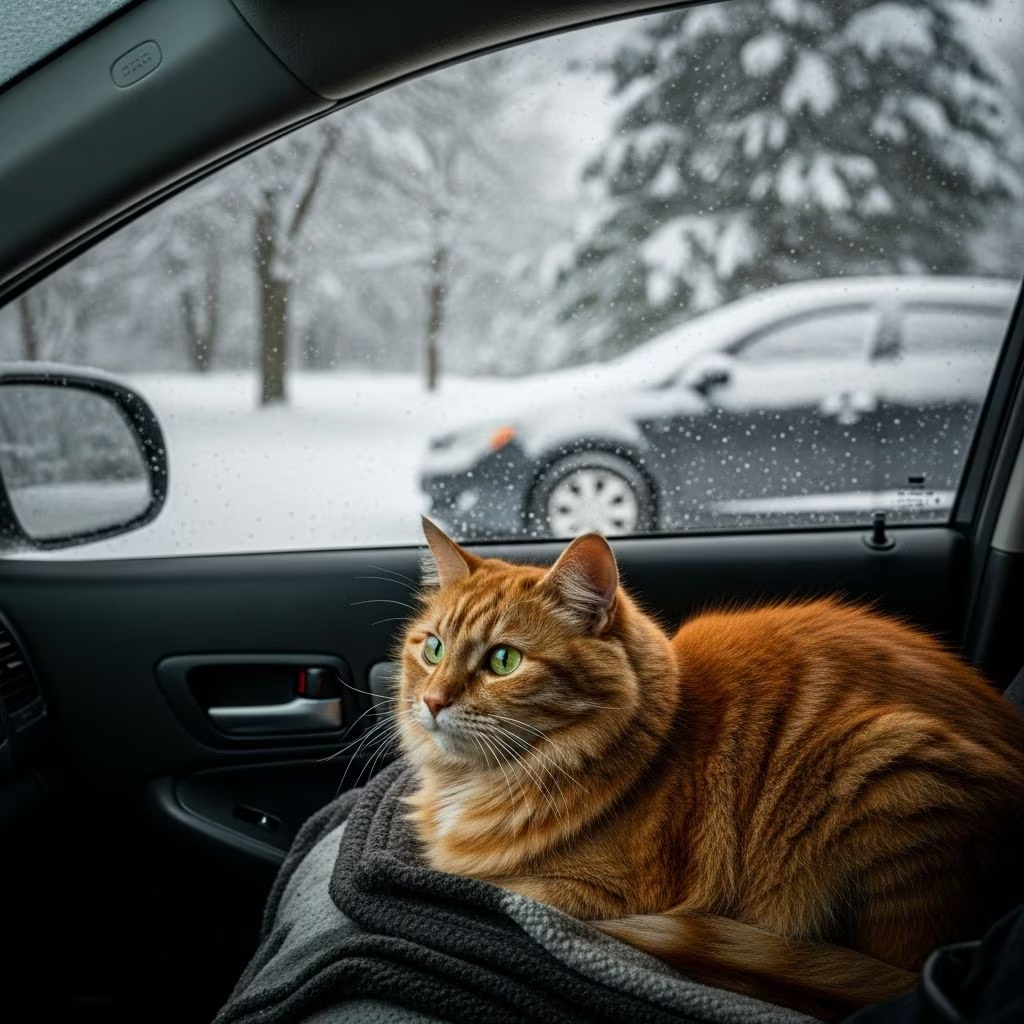
Cats often climb onto or hide inside vehicles during harsh winter conditions to escape biting cold, but this habit poses severe risks like engine burns or being struck by moving parts when drivers start their cars. Implementing simple daily routines can drastically reduce these threats for both owned and community cats.
The Hidden Perils of Freezing Temperatures for Felines
Winter brings plummeting temperatures that challenge a cat’s ability to regulate body heat, leading to life-threatening conditions such as hypothermia and frostbite. These issues arise when core body temperature drops below normal levels, impairing vital organ function and circulation.
Hypothermia sets in rapidly outdoors, with symptoms including shivering, lethargy, dilated pupils, and shallow breathing. Frostbite commonly affects extremities like ears, paws, tail, and nose, causing tissue damage that may require veterinary amputation in severe cases. Untreated, these can prove fatal within hours.
Temperature Thresholds: When It’s Unsafe for Cats Outside
Cats face elevated risks when air temperatures fall below 45°F (7°C), a point where prolonged exposure becomes hazardous even for healthy adults. Wind chill exacerbates this, making conditions feel far colder and accelerating heat loss.
Vulnerable groups include:
- Kittens under six months, with immature thermoregulation.
- Senior cats over 10 years, often with reduced fat reserves and mobility.
- Underweight felines below 4.4 lbs (2 kg), lacking insulation.
- Short-haired or wet-furred cats, who lose heat faster.
For feral or stray populations, these thresholds demand community intervention to prevent mass suffering.
Why Vehicles Become Irresistible Havens in Winter
After a drive, car engines retain significant residual heat from exhaust manifolds, radiators, and hood interiors, radiating warmth for hours in subzero environments. This creates a magnetic pull for cold-stressed cats scanning for thermal refuges.
Beyond engines, cats perch on rooftops, huddle near tires, or squeeze into wheel wells for partial wind protection. Urban strays, lacking insulated dens, prioritize these spots amid scarce natural shelters like dense foliage or burrows.
| Vehicle Area | Attraction Factor | Risk Level |
|---|---|---|
| Engine Compartment | High residual heat | Extreme (fan blades, belts) |
| Hood Surface | Mild warmth conduction | High (sudden movement) |
| Tire Wells | Wind block, ground heat | Moderate (exhaust proximity) |
| Roof | Elevated vantage, slight warmth | Low-moderate (falls, dislodging) |
This table outlines common feline hotspots on vehicles, balancing appeal against potential injuries.
Real-World Consequences: Injuries and Tragedies
Each winter, veterinary clinics report spikes in cat admissions from car-related mishaps. Cats wedged in fan belts suffer lacerations, burns from hot components, or blunt trauma from spinning pulleys. Those on exteriors risk being flung off during acceleration, leading to falls or road collisions.
Feral cats face additional perils: displacement to distant locations if undetected during drives, resulting in disorientation and starvation. Statistics from animal welfare groups highlight hundreds of such incidents annually in cold climates, underscoring the need for proactive measures.
Essential Daily Protocols to Safeguard Cats
Adopting a “think before you start” ritual transforms routine vehicle use into a feline safety checkpoint. Begin every morning with these steps:
- Thump the hood: Firmly tap or bang on the hood two to three times to startle hidden cats, giving them 10-15 seconds to emerge.
- Sound alerts: Honk the horn briefly or slam doors to amplify vibrations.
- Visual scan: Peer under the vehicle, around tires, and atop surfaces for eyeshine or movement.
- Wait period: Pause 30 seconds post-noise to allow escape from tight crevices.
- Engine idle check: Start briefly while monitoring for unusual noises like yowls or thuds.
Even electric vehicles warrant caution, as battery compartments generate heat post-charge.
Boosting Protection for Neighborhood Strays
While securing your own cat indoors remains paramount—shielding from traffic, predators, and toxins—community strays require collective action. Install purpose-built shelters: insulated boxes lined with straw (not blankets, which retain moisture), elevated off frozen ground, and positioned in wind-sheltered spots.
Enhance appeal with:
- Straw bedding for superior insulation and drainage.
- Multiple entrances to evade predators.
- Heating pads designed for outdoor use, solar-powered where possible.
- Food stations nearby, but separate from shelters to deter wildlife.
These outperform vehicles by offering sustained, safe warmth without mechanical hazards.
Recognizing and Responding to Cold Exposure Signs
If you spot a shivering cat near your property, act swiftly. Bring it indoors temporarily if feasible, or to a warm garage. Provide:
- Warm (not hot) fluids like low-sodium chicken broth.
- Blanket-wrapped heating pads on low.
- Veterinary evaluation for severe symptoms.
Avoid rapid rewarming like hot water baths, which shock the system. Monitor for 24-48 hours post-rescue.
Broader Winter Wellness Strategies for Cats
Holistic care extends beyond cars. Paw pad checks prevent ice melt cracks; increased calorie intake combats heat loss; and grooming removes clumped snow. Indoor enrichment counters seasonal lethargy, mimicking daylight with play sessions.
For multi-cat homes, monitor bullying around new heated beds. Antifreeze spills, ubiquitous in garages, demand immediate cleanup—its sweet taste lures fatal ingestion.
Seasonal Comparisons: Cats vs. Other Pets
| Pet Type | Cold Tolerance | Car-Seeking Behavior | Prevention Focus |
|---|---|---|---|
| Cats | Low (45°F threshold) | High (engine preference) | Hood checks, shelters |
| Dogs | Moderate (coat-dependent) | Low | Coats, booties |
| Ferrets | Very low | Moderate | Indoor only |
Cats uniquely gravitate to vehicles due to agility and thermal sensitivity, distinguishing them from bulkier pets.
Frequently Asked Questions
How long does engine heat last after parking?
Typically 1-4 hours, depending on ambient temperature and drive duration. Peaks near exhaust areas.
Are indoor-only cats at risk?
No, but escaped or visiting strays are. Maintain secure exits.
What if I hear a cat after starting the engine?
Shut off immediately, inspect, and seek vet care if injured.
Best shelter materials for ferals?
Styrofoam-insulated bins with straw; avoid hay or cloth.
Do all cats seek car warmth?
Primarily outdoor, thin-coated, or hungry ones; well-fed indoor cats rarely venture out.
Community Impact: Building Safer Winters
Neighborhood campaigns—flyers on “thump before start,” shared shelters—amplify individual efforts. Partner with rescues for trap-neuter-return programs, curbing feral overpopulation before winter peaks. Track local reports via animal control for hotspots.
Pet owners’ vigilance fosters empathy, turning potential tragedies into survival stories. Consistent habits ensure cats endure winters unscathed, preserving their curious spirits.
References
- Cats on Cars in Cold Weather: Vet-Reviewed Facts and Safety Guide — Catster. 2023. https://www.catster.com/lifestyle/cats-on-cars-in-cold-weather/
- Cats and Cars in Cold Weather — Pet Health Network. 2023. https://www.pethealthnetwork.com/cat-health/cat-checkups-preventive-care/cats-and-cars-cold-weather
- Cold Weather Care — Friends of Detroit Animal Care & Control. 2023. https://www.friendsofdacc.org/cold-weather-care
- Understanding Your Cat’s Winter Behavior — Waggle Pet Monitor. 2023. https://mywaggle.com/blogs/pet-behaviour/warm-whiskers-and-winter-wonders-navigating-your-cats-cold-weather-behavior
- Dangers of Cats and Cars in Cold Weather — BC SPCA. 2023. https://spca.bc.ca/news/winter-think-and-thump/
- Cold Weather Danger for Cats — SouthCare Animal Medical Center. 2023. https://www.southcarevet.com/blog/cat-cold-weather-danger



