

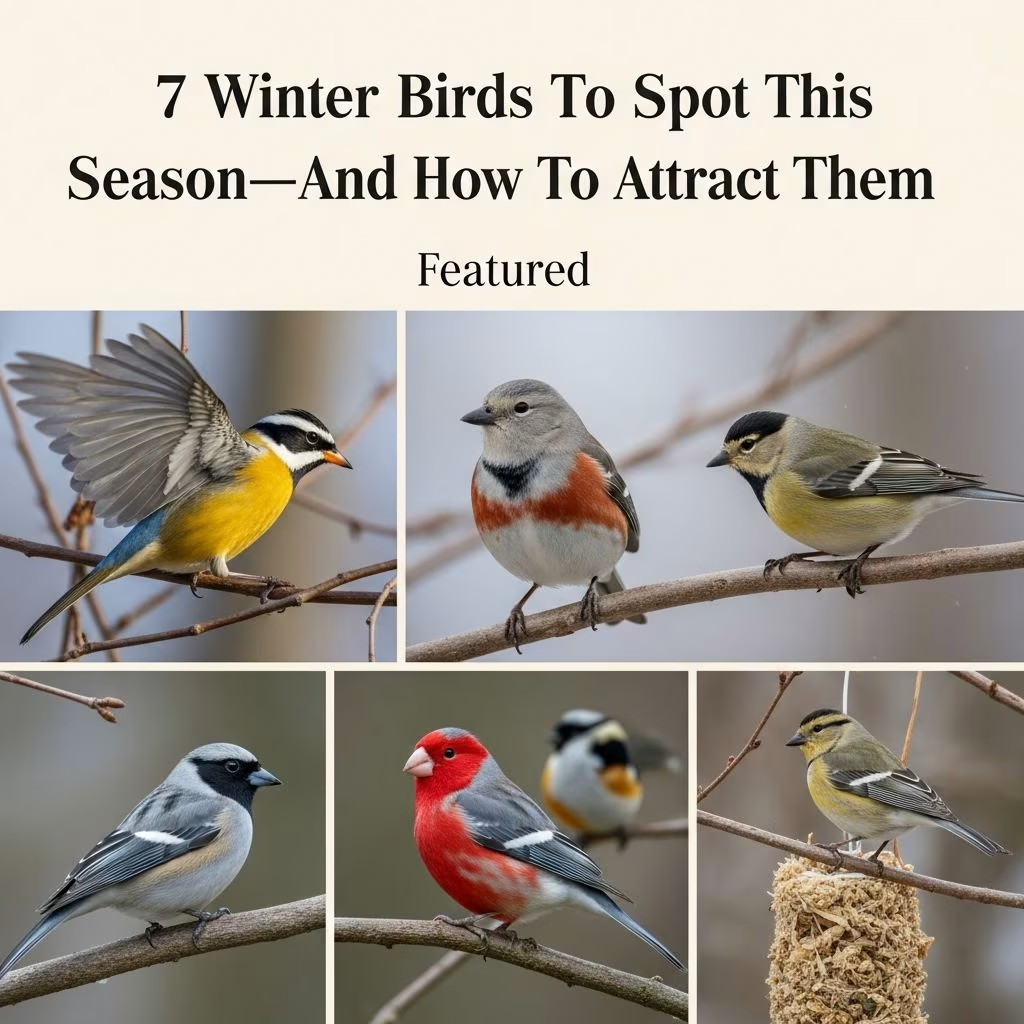
7 Winter Birds To Spot This Season—And How To Attract Them
Winter transforms the birdwatching experience, offering unique opportunities to observe species that either remain year-round or migrate south for food and shelter. As temperatures drop and food sources become scarce, many birds congregate in specific habitats, making winter an ideal season for birdwatchers of all experience levels. Unlike spring and summer when dense foliage obscures many species, winter’s bare branches provide clear sightlines to birds perched in trees, feeding at ground level, or visiting backyard feeders. Understanding which birds to look for and how to attract them can significantly enhance your winter birdwatching adventures.
Why Winter is Prime Birdwatching Season
Winter presents distinct advantages for birdwatchers. The absence of leafy vegetation makes spotting birds considerably easier, as there are fewer visual obstructions between you and your feathered subjects. Many winter birds are drawn to areas with reliable food sources, particularly bird feeders, suet stations, and natural food supplies like pinecones and seeds. Winter birds are often more visible and predictable in their movements compared to migratory species during spring and summer months.
Additionally, winter birdwatching allows you to participate in citizen science initiatives such as Project FeederWatch, Christmas Bird Counts, and the Great Backyard Bird Count. These programs contribute valuable data about winter bird populations and distribution patterns that help scientists and ornithologists track changes in bird behavior and population trends over time.
Understanding Winter Bird Behavior and Habitat
During winter, birds concentrate their activities in areas where food and shelter are abundant. Open water sources become critical gathering points, particularly for waterfowl, raptors, herons, and kingfishers. Locations such as partially frozen lakes, rivers with open sections near power plants or dams, and wetland areas provide essential feeding opportunities when much of the landscape is frozen.
Different species exhibit varying activity patterns throughout the day. Some species, such as winter finches, are most vocal and active during early morning hours, while others can be observed throughout the day. Winter finches—including Crossbills, Pine Siskins, and Pine Grosbeaks—are particularly vocal during winter months, producing distinctive calls that make them easier to locate even before visual confirmation. These birds typically feed on pinecones at the tops of spruce and other coniferous trees.
Locating Winter Bird Irruptions
Certain winters bring rare bird irruptions, events that occur when conifer crops in northern regions produce exceptional seed yields. These abundant food sources support unusually large bird populations that cannot be sustained once winter arrives. Subsequently, these birds migrate southward in search of food and suitable habitat, bringing unusual species to areas where they are rarely seen. Species like evening grosbeaks, hoary redpolls, and pine grosbeaks may suddenly appear in backyards throughout the Midwest and beyond during irruption years, creating exciting opportunities for birdwatchers to observe uncommon species.
The 7 Best Winter Birds To Attract and Observe
1. Northern Cardinal
The Northern Cardinal stands out as one of the most recognizable and beloved winter birds, particularly in the Midwest and eastern regions. Both male and female cardinals sing, providing pleasant vocalizations throughout winter months. Males display brilliant red plumage that creates striking contrasts against snow and bare branches, while females show more subtle coloring. Cardinals are year-round residents in most of their range, making them consistent winter visitors to properly stocked feeders.
Attracting Cardinals: Keep feeders filled with black sunflower seeds, which cardinals strongly prefer. Black oil sunflower seeds provide high-calorie nutrition essential for surviving harsh winter conditions. Place feeders in locations with nearby shrubs or trees that offer protective cover and perching opportunities.
2. Tufted Titmouse
The Tufted Titmouse, characterized by its distinctive gray crest, brings charm and personality to winter backyard habitats. These small but bold birds are highly acrobatic and entertaining to observe as they interact with feeders and one another. Their vocal calls add an engaging soundtrack to winter birdwatching sessions.
Attracting Tufted Titmice: Provide sunflower seeds and peanuts, which these birds favor. Interestingly, when Tufted Titmice encounter large seeds, they display intelligent behavior by carrying them to nearby tree limbs or perches where they systematically crack open the seeds using their bills. Offering a variety of seed types increases the likelihood of attracting and retaining these delightful visitors.
3. Black-capped Chickadee
Black-capped Chickadees demonstrate remarkable metabolic adaptations for winter survival. These small birds consume approximately 20 times more food during winter months compared to summer, requiring constant foraging to maintain body heat in freezing temperatures. Their easily recognizable two-note call—sounding like “chick-a-dee-dee-dee”—makes identification straightforward even for beginning birdwatchers.
Attracting Black-capped Chickadees: Stock feeders with sunflower seeds, safflower seeds, and nyjer seeds. Additionally, provide suet cakes, which offer concentrated calories that help these active birds survive harsh winter conditions. Keep feeders consistently filled and clean, as chickadees require frequent feeding opportunities to sustain their elevated metabolism.
4. Bald Eagle
Winter presents prime opportunities for observing Bald Eagles, particularly in regions where lakes and rivers freeze over. As open water becomes scarce, eagles congregate in large trees along shorelines, particularly near dams and power plants that maintain open water throughout winter. These majestic birds fish in these open water patches, making winter eagle watching a thrilling birdwatching experience.
Observing Bald Eagles: Search for eagles in large trees near partially frozen lakes and rivers. Dawn and dusk often provide the best viewing opportunities, as eagles are most active during these periods. Bring binoculars and maintain a safe distance to avoid disturbing these sensitive raptors. Bald eagles produce distinctive low calls—”kuk kuk kuk” sounds—that help confirm their presence.
5. White-breasted Nuthatch
White-breasted Nuthatches exhibit remarkable agility and acrobatic abilities, often moving headfirst down tree trunks in their distinctive foraging style. These elegant birds add visual interest to winter birdwatching through their graceful movements and distinctive blue-gray and white plumage. Their sharp, nasal calls provide audio cues for identification.
Attracting White-breasted Nuthatches: Offer large nuts like peanuts and sunflower seeds. These nuthatches possess strong bills capable of cracking open large seeds and nuts. Maintain clean feeders to prevent the spread of disease among visiting birds. Position feeders near protective cover such as shrubs and trees to provide safe perching and quick escape routes from predators.
6. Downy Woodpecker
Downy Woodpeckers rank among the smallest North American woodpeckers and bring delightful activity to winter feeders. Despite their diminutive size, they demonstrate the characteristic woodpecker behavior of clinging vertically to trees and feeders. Their distinctive whinny calls help birdwatchers locate them even when visual contact is momentarily lost.
Attracting Downy Woodpeckers: Downy Woodpeckers show a strong preference for suet, though they willingly visit feeders offering sunflower seeds, millet, and peanuts. Position feeders near shrubs, trees, or other protective cover to give these vulnerable birds safe access while maintaining predator awareness. Ensure feeders are regularly cleaned to maintain bird health.
7. Snowy Owl
The Snowy Owl represents one of winter’s most dramatic birdwatching opportunities, particularly during years when these Arctic raptors venture south seeking food and suitable habitat. Snowy Owls breed in the treeless Arctic tundra, so when they migrate into southern regions, they seek similar open, expansive landscapes. Their striking white plumage and fierce predatory nature make them captivating subjects for photographers and birdwatchers alike.
Locating Snowy Owls: Search farm fields, areas near airports, large wetlands, and coastal regions where these owls can maintain their preferred hunting style. Snowy Owls perch on open ground or low structures, allowing them to survey vast territories for small mammal prey. Early morning and late afternoon often provide optimal viewing opportunities. Listen for distinctive barking calls and bill-snapping sounds that indicate an owl’s presence.
Essential Supplies for Attracting Winter Birds
Bird Feeders
Selecting appropriate feeders for your target bird species significantly impacts your success in attracting winter visitors. Different feeder designs accommodate different species:
- Tube feeders with small perches: Ideal for finches, nuthatches, and chickadees
- Hopper feeders: Suitable for cardinals, jays, and woodpeckers
- Suet cages: Perfect for woodpeckers, nuthatches, and insectivorous birds
- Platform feeders: Versatile for various species and ground feeders
- Nyjer seed feeders: Specifically designed for finches seeking small seeds
Seed Types and Nutritional Value
Offering a variety of high-quality seeds ensures you attract diverse species while providing essential nutrition for winter survival:
| Seed Type | Best Attractants | Nutritional Benefits |
|---|---|---|
| Black Oil Sunflower Seeds | Cardinals, chickadees, nuthatches, finches | High in fat and protein, provides sustained energy |
| Nyjer (Thistle) Seeds | Finches, siskins, redpolls | Tiny seeds preferred by small finches, nutrient-dense |
| Safflower Seeds | Chickadees, nuthatches | High in fat content, less attractive to pest species |
| Millet | Woodpeckers, sparrows, juncos | Provides carbohydrates and quick energy |
| Peanuts | Nuthatches, jays, woodpeckers | Excellent fat and protein source, supports cold tolerance |
Suet and High-Energy Foods
Suet cakes provide concentrated calories essential for birds maintaining body heat during winter. Choose suet formulations containing seeds, nuts, and dried fruits to appeal to multiple species. Fresh suet prevents spoilage in cold temperatures, but during warm winter periods, remove suet to prevent rancidity and disease transmission.
Water Sources
Providing open water during winter proves as important as food. Many birds struggle to find liquid water when natural sources freeze. Heated bird baths maintain open water throughout winter, attracting diverse species and supporting their survival during harsh conditions. Clean heated bird baths regularly to prevent disease transmission among visiting birds.
Maintenance and Safety Considerations
Feeder Cleanliness and Disease Prevention
Maintaining pristine feeding stations protects visiting birds from disease transmission. Clean feeders at least twice weekly with hot water, discarding any wet, moldy, or icy seed. Regularly replace seed to prevent spoilage, and rotate feeder locations to avoid disease buildup in specific areas. Proper maintenance ensures winter birds remain healthy and vigorous.
Predator Protection
Winter feeding stations can inadvertently attract predators seeking easy prey. Position feeders near protective cover such as shrubs and trees, allowing birds quick escape routes. However, ensure hiding cover doesn’t create ambush opportunities for predatory birds. Monitor feeding areas for signs of predation stress and adjust feeder placement if necessary to maximize both feeding access and safety.
Seasonal Adjustments
Adapt your feeding strategies as winter conditions change. During extreme cold snaps, increase seed offerings to support elevated caloric demands. As temperatures moderate in late winter, gradually reduce seed quantities as natural food sources become more available.
Winter Birding Tips and Best Practices
Optimal Viewing Times
Winter birds exhibit varying activity patterns throughout the day. Early morning typically brings peak activity as birds refuel after cold nights. Late afternoon provides another active period as birds prepare for nighttime roosting. Patience and observation during these periods maximize your chances of observing desired species.
Using Technology and Resources
eBird serves as an invaluable resource for winter birdwatchers, providing checklists of species reported in your area and optimal viewing locations. Local birding groups and clubs offer expertise and companionship for winter birding adventures. Consulting with experienced local birders helps identify the best locations for specific winter species in your region.
Equipment Essentials
Binoculars enable closer observation of distant birds without disturbing them. A field guide specific to your geographic region facilitates species identification. A camera with a telephoto lens allows documentation of sightings for personal records and contribution to citizen science initiatives. Dress warmly in layers to maintain comfort during extended observation periods.
Frequently Asked Questions About Winter Birds
Q: What’s the best time of day to observe winter birds?
A: Early morning hours typically offer peak bird activity as birds refuel after cold nights. Late afternoon provides another productive viewing period. However, many species can be observed throughout the day, particularly at well-stocked feeders.
Q: How often should I clean my bird feeders?
A: Clean feeders at least twice weekly with hot water. During mild weather or if you notice seed moisture or mold, increase cleaning frequency to prevent disease transmission among visiting birds.
Q: What should I do if I see a sick bird at my feeder?
A: Remove feeders for a few days to disperse bird concentrations, reducing disease transmission risk. Clean feeders thoroughly before refilling. If you observe multiple sick birds, contact a local wildlife rehabilitation center for guidance.
Q: Do winter birds need water?
A: Yes, winter birds require open water for drinking and bathing. Heated bird baths provide essential liquid water when natural sources freeze, making them valuable winter additions to your yard.
Q: Can I use generic “wild bird seed” mixes?
A: While convenient, many generic mixes contain filler seeds birds dislike. Premium mixes with higher percentages of sunflower seeds and nuts attract more desirable species and reduce wasted seed and ground clutter.
Q: How can I contribute to winter bird science?
A: Participate in Project FeederWatch, Christmas Bird Counts, or the Great Backyard Bird Count. These citizen science initiatives collect valuable data about winter bird populations and distribution patterns.
References
- Winter Birding Guide: Locating and Observing Winter Bird Species — The Nature Conservancy. 2024. https://www.nature.org/en-us/about-us/where-we-work/priority-landscapes/great-lakes/stories-in-the-great-lakes/winter-birds/
- All About Birds Online Resource — Cornell Laboratory of Ornithology. 2024. https://www.allaboutbirds.org/
- Guide to North American Birds — National Audubon Society. 2024. https://www.audubon.org/bird-guide
- Birding in the Winter: Locating and Observing Cold-Weather Species — Prairie Birder. 2016. https://prairiebirder.wordpress.com/2016/01/09/birding-in-the-winter/
- Winter Backyard Birds: Identification and Observation Guide — U.S. Bird Guide. 2024. https://usbirdguide.com/backyard-birding/winter-backyard-birds-15-species-to-watch-for-identification-guide/



