Wing Clipping for Pet Birds: Safety, Care, and Best Practices
Complete guide to bird wing clipping: understand the procedure, benefits, risks, and alternatives for your feathered companion.
Understanding Wing Clipping for Pet Birds
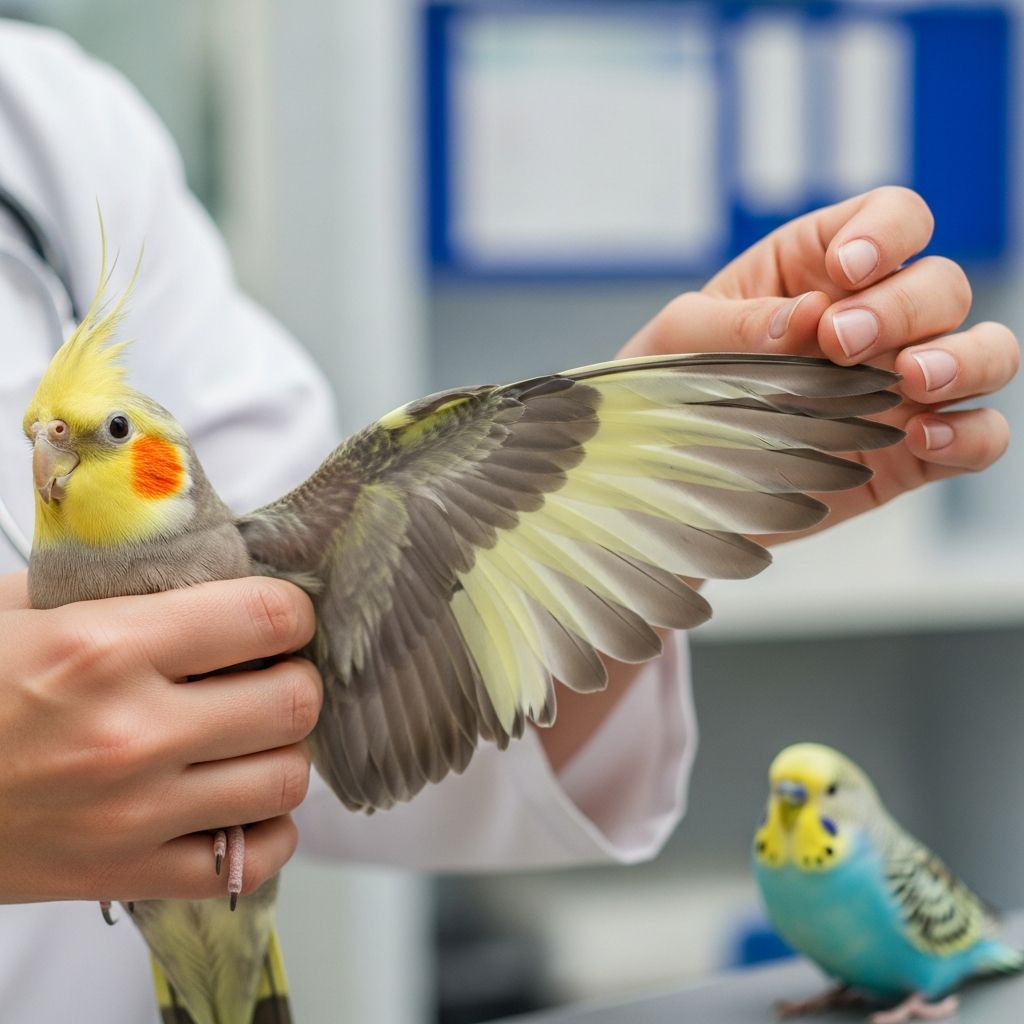
Wing clipping, also known as wing trimming, is a procedure that involves trimming the flight feathers of a bird’s wings to limit or prevent sustained flight. This common practice among pet bird owners requires careful consideration and professional guidance to ensure the safety and wellbeing of your feathered companion. Unlike popular misconception, wing clipping does not involve breaking or damaging the bird’s wing bones themselves, but rather carefully trimming specific feathers to control the bird’s flight capability.
The decision to clip a bird’s wings is deeply personal and varies among bird owners based on their living situations, the bird species, and their individual circumstances. Understanding both the benefits and potential risks of wing clipping is essential for making an informed decision about your pet bird’s care.
What is Wing Clipping?
Wing clipping is the process of trimming the primary flight feathers on a bird’s wings. These feathers are responsible for powered flight and directional control. When properly clipped, a bird loses the ability to achieve sustained upward or forward flight, though they may still be able to glide or flutter downward. The procedure is typically performed by veterinarians or experienced bird handlers who understand the anatomy and correct technique.
It’s important to distinguish between different types of wing clips. A full clip removes all flight feathers, while a partial clip leaves some feathers intact, allowing limited flight capability. The type of clip depends on the individual bird’s needs, the owner’s goals, and the recommendations of an avian veterinarian.
Benefits of Wing Clipping
Enhanced Safety in the Home
One of the primary reasons bird owners choose to clip their pet’s wings is to enhance safety within the home environment. Clipped birds cannot fly into windows, mirrors, ceiling fans, or open toilet bowls—common household hazards that can cause serious injury or death. This reduced flight capability significantly decreases the risk of accidental collision injuries and allows owners to maintain better control over their bird’s environment.
Prevention of Escape
For bird owners concerned about their pet escaping through open doors or windows, wing clipping provides an additional layer of security. While clipped birds can still flutter or glide, they cannot achieve the sustained flight necessary to escape the home or reach dangerous outdoor environments. This is particularly important in households with frequent visitors or in situations where doors are frequently opened.
Reduced Home Damage
Unclipped birds flying freely around the home can cause significant damage to furnishings, woodwork, and household items. Birds may knock over objects, scratch walls, or destroy furniture during flight. Wing clipping helps owners maintain greater control over their bird’s movement and interactions with their environment, protecting valuable belongings and reducing stress for both the bird and owner.
Improved Handling and Bonding
Clipped birds are often easier to handle, groom, and train since they cannot simply fly away when approached. This controlled environment can facilitate training sessions, veterinary care, and grooming needs. Some bird owners report that wing clipping helps create a safer environment for handling their pets and may encourage certain birds to interact more with their owners and other family members.
Relief from Flight-Related Stress
In indoor environments, flying can sometimes be harmful to a bird’s health. Frequent indoor flying can lead to exhaustion and place excess strain on the bird’s muscles and heart. This is especially concerning for elderly birds, overweight birds, or those with certain health conditions. Wing clipping can help reduce these physiological stressors and prevent injury from collisions in confined spaces.
Disadvantages and Risks of Wing Clipping
Loss of Natural Exercise
Flying is a natural and essential form of exercise for birds. When wings are clipped, birds lose the primary way they exercise their bodies and develop strength and cardiovascular fitness. Without regular flight, clipped birds may become sedentary and face increased risk of obesity and associated health problems such as joint issues and heart disease. This reduced physical activity can have long-term negative impacts on the bird’s overall health and lifespan.
Behavioral and Psychological Issues
Clipped birds may experience frustration, stress, and behavioral problems as a result of losing their ability to fly. Some birds develop destructive behaviors such as feather plucking, excessive screaming, or aggression. These behavioral issues can strain the bond between bird and owner and may indicate that the bird is experiencing psychological distress or lacks adequate environmental enrichment.
Vulnerability to Household Hazards
Paradoxically, clipped birds can be more vulnerable to certain household hazards than flighted birds. Unable to escape quickly, clipped birds are at greater risk of being stepped on, sat on, or shut in doors. Additionally, clipped birds lack the coordination and escape ability to avoid predators such as cats or dogs, making them significantly more vulnerable in multi-pet households.
Risk of Serious Injury from Falls
Even with clipped wings, birds may attempt to fly or glide when startled or frightened. Without adequate flight capability, these attempts can result in serious injuries including broken bones, internal injuries, or fatal falls. The risk increases if the clipping is performed incorrectly—clipping too much can cause birds to crash hard to the ground, while clipping too little may result in unpredictable flight patterns.
Ongoing Maintenance Requirements
Wing clipping is not a permanent solution. As birds molt and naturally shed and regrow their feathers throughout the year, regular maintenance is required to sustain the clipped state. The molt cycle is not always predictable, and owners must stay vigilant about re-clipping when necessary. This requires ongoing veterinary visits or professional bird handling expertise.
Proper Wing Clipping Technique
Proper wing clipping requires knowledge of bird anatomy and careful technique. An experienced veterinarian or certified avian specialist should perform the procedure to minimize injury risk and ensure appropriate results. The process involves identifying the correct feathers to trim while avoiding blood feathers—developing feathers that still have blood supply and would cause bleeding if cut.
There is a significant difference between properly clipped wings and poorly clipped wings. Improper clipping can result in asymmetrical wing trimming, which causes unstable flight patterns and increases injury risk. Too much clipping can prevent even safe gliding, while too little clipping may not adequately restrict flight. Professional expertise ensures the procedure achieves the desired safety goals while minimizing harm to the bird.
Alternatives to Wing Clipping
Many avian experts now recommend alternatives or supplements to wing clipping that may provide better outcomes for bird health and safety. These alternatives include:
Flight Training and Environmental Management
Allowing birds to fly with proper training, combined with comprehensive household safety measures, provides birds with essential exercise and psychological benefits while maintaining safety. This approach requires bird-proofing the home, installing screens on windows, and training birds to respond to commands.
Flight Harnesses
Specially designed flight harnesses allow owners to safely take their birds outdoors while maintaining control and preventing escape. These harnesses provide birds with outdoor exercise and mental stimulation while protecting against predators and escape risk.
Supervised Flight in Safe Spaces
Creating designated safe spaces—such as bird rooms or enclosed aviaries—allows birds to exercise their natural flight abilities in a controlled environment without risk of escape or collision with household hazards.
Considerations Before Clipping
Before deciding to clip your bird’s wings, carefully consider the following factors:
- Your household environment and potential hazards
- Whether you have predatory pets (cats or dogs)
- Your bird’s age, health status, and physical fitness
- Your ability to provide adequate environmental enrichment for a flightless bird
- Your willingness to implement safety measures as an alternative to clipping
- Your bird’s temperament and behavioral patterns
- The commitment required for ongoing maintenance and re-clipping
Professional Guidance and Veterinary Care
Any decision regarding wing clipping should be made in consultation with an avian veterinarian who understands your specific bird species and individual circumstances. Avian vets can assess your bird’s health status and provide professional recommendations based on the latest research and best practices in bird care. They can also perform the clipping procedure safely and identify any potential health concerns that might make wing clipping inadvisable.
Frequently Asked Questions About Wing Clipping
Q: Will wing clipping prevent my bird from flying completely?
A: No. Wing clipping limits sustained flight but does not completely prevent all movement. Most clipped birds can still glide or flutter, particularly when startled or falling from height.
Q: How often does my bird need to be re-clipped?
A: The frequency depends on your bird’s molt cycle, which varies by species and individual. Most birds require re-clipping every 6-12 months, though some may need more frequent maintenance as feathers regrow.
Q: Can I clip my bird’s wings myself?
A: It is strongly recommended to have a veterinarian or certified avian specialist perform wing clipping. Improper technique can result in severe injury, bleeding, or infection. Professional expertise ensures safe and effective results.
Q: Are there bird species that shouldn’t have their wings clipped?
A: Some species and individual birds may have specific considerations. Older birds who have never learned to fly, very young birds, and birds with certain health conditions may not be good candidates for clipping. Consult an avian veterinarian for species-specific guidance.
Q: Does wing clipping hurt my bird?
A: The procedure itself, when performed properly on non-blood feathers, does not cause pain. However, clipped birds may experience psychological stress or frustration from losing flight capability, which can manifest as behavioral issues.
Q: What is the difference between full clipping and partial clipping?
A: Full clipping removes all flight feathers and prevents sustained flight. Partial clipping preserves some feathers, allowing limited flight capability. Partial clipping is considered more humane by many avian experts as it preserves some natural flight benefits while reducing escape risk.
Conclusion
Wing clipping remains a controversial topic in the pet bird community, with valid arguments on both sides. While it offers certain safety advantages in specific situations, the long-term health and behavioral impacts of preventing natural flight are significant. Modern avian medicine increasingly supports alternatives that balance safety with natural bird behavior and physical health.
The decision to clip your bird’s wings should be based on careful consideration of your individual circumstances, consultation with an avian veterinarian, and a commitment to your bird’s overall wellbeing. Whether you choose to clip, use alternatives, or implement a combination approach, prioritizing your bird’s safety, health, and psychological wellbeing remains paramount.
References
- Pros and Cons of Clipping Your Bird’s Wings — Pet Assure. 2024. https://www.petassure.com/maxscorner/pros-and-cons-of-clipping-bird-wings/
- Pros and Cons of Wing Clipping – Keep Your Bird Safe AND Happy — Parrot Volancy. 2024. https://parrotvolancy.com/pros-and-cons-of-wing-clipping/
- Clipping Bird Wings: What to Know About Wing Trims — Best Friends Animal Society. 2024. https://bestfriends.org/pet-care-resources/clipping-bird-wings-what-know-about-wing-trims
- Arguments Against Wing Clipping — Free Range Parrots. 2019. https://freerangeparrots.org/2019/06/10/arguments-against-wing-clipping/
- Part Four: To Clip or Not to Clip — Pamela Clark Online. 2019. https://pamelaclarkonline.com/2019/04/24/part-four-to-clip-or-not-to-clip/
Similar Articles







Read full bio of Sneha Tete