

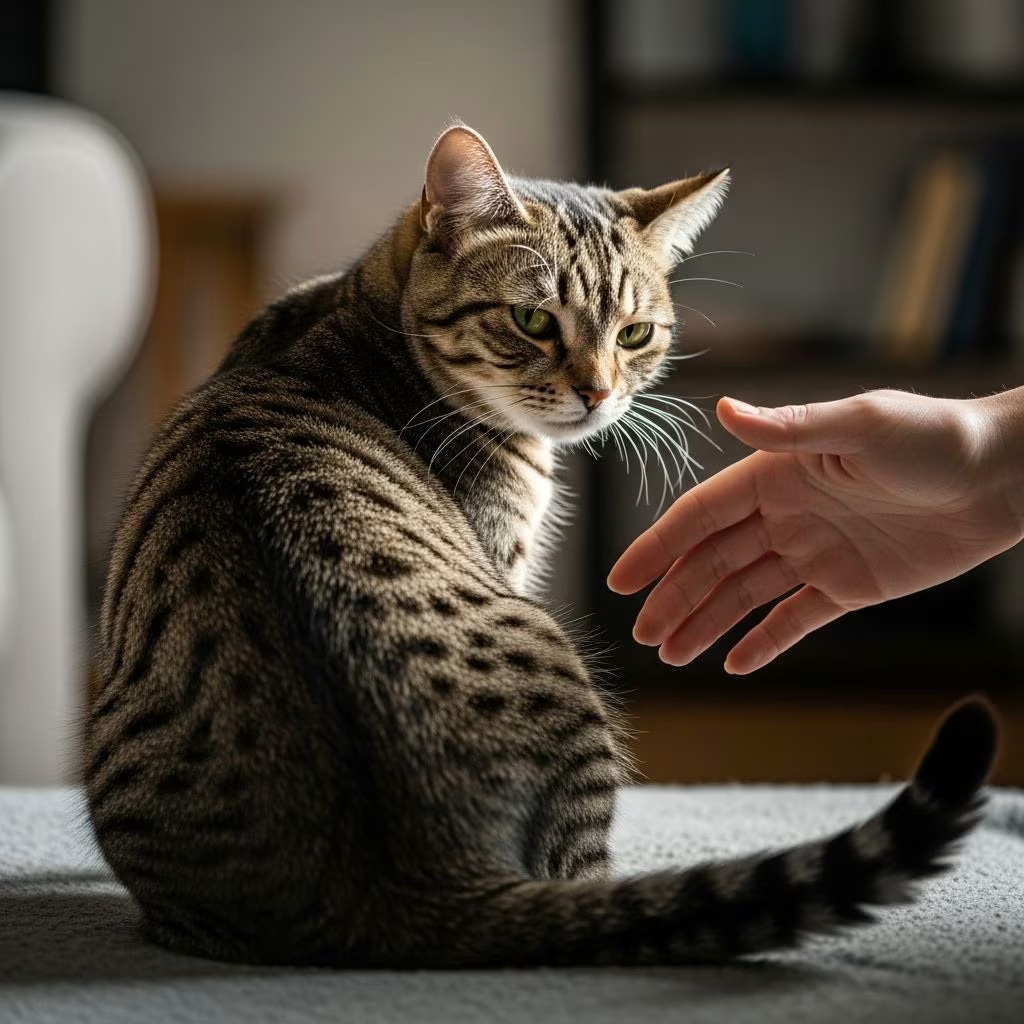
Cats frequently display grumpy, distant, or fearful behavior after a vet visit due to the overwhelming stress of travel, handling, and unfamiliar environments, but this is temporary and they do not truly “hate” their owners—most return to normal within 24-48 hours with proper care.
Understanding your cat’s reaction helps you respond effectively, preventing prolonged anxiety and strengthening your bond. This article covers why it happens, what behaviors to expect, recovery timelines, multi-cat household dynamics, and practical tips to ease the transition.
Why Do Cats Act Grumpy After a Vet Visit?
Vet visits trigger a cascade of stressors for cats, who thrive on routine and control. From the carrier to the clinic’s smells and sounds, every step disrupts their sense of safety, leading to defensive behaviors upon returning home.
Cats are wired for survival, viewing changes like car rides or stranger handling as threats. Procedures such as vaccinations or exams add physical discomfort, amplifying emotional distress. Even mild disruptions, like waking them for the trip, activate fight-or-flight responses.
- Environmental shifts: Carrier confinement, car motion, clinic noises (e.g., barking dogs), and new scents overload their senses.
- Handling stress: Unfamiliar touches from vets feel invasive, unlike gentle petting at home.
- Physical aftereffects: Injections or treatments cause soreness, reducing appetite or activity.
These factors explain why your cat might hide, hiss, or avoid you—it’s self-preservation, not personal grudge.
Normal Cat Behaviors After a Vet Visit
Post-vet behaviors exist on a spectrum from withdrawal to aggression, but they are common reactions to acute fear and anxiety. Recognizing them helps distinguish normal recovery from issues needing vet attention.
| Behavior | Description | Duration (Normal) |
|---|---|---|
| Hiding | Retreating to safe spots like under beds or closets | 12-48 hours |
| Grumpiness/Aggression | Hissing, swatting, growling, or biting | Up to 24 hours |
| Lethargy/Refusal to Eat | Low energy, skipping meals | 1-2 days |
| Increased Vocalization | Excessive meowing, yowling | Short-term |
| Trembling/Restlessness | Shaking or pacing | Hours to 1 day |
These signs peak right after returning home as stress hormones subside. Cats in ‘avoidance mode’ freeze, while others lash out—both indicate similar anxiety levels. Monitor for improvement; most cats resume eating and interacting within a day.
How Long Does It Take for a Cat to Recover After the Vet?
Recovery timelines vary by cat temperament, visit intensity, and home support, but 80-90% normalize within 12-48 hours. Stress from the event fades as familiar scents and routines reassert security.
- Short-term (hours): Initial decompression with hiding or quiet observation.
- 1-2 days: Appetite returns, play resumes; full normalcy by day 2 for most.
- Beyond 48 hours: If no improvement, check for pain, illness, or persistent anxiety—consult your vet.
Factors speeding recovery include a calm home, familiar comforts, and positive reinforcements like treats. Cats with prior positive vet experiences recover faster.
Will My Cat Trust Me Again After the Vet?
Your cat may temporarily distrust you as the “transporter” of trauma, avoiding eye contact or pets, but this erodes quickly with patience—trust rebuilds in 24-48 hours as they associate you with safety again.
Avoid forcing interactions; let them initiate. Use slow blinks, soft voices, and favorite toys to signal non-threat. Over time, they remember you as provider of comfort, not just the vet escort. In multi-cat homes, resident cats may aggress due to changed scents, indirectly straining your bond.
What to Do If You Have Multiple Cats
Multi-cat households face extra tension: returning cats carry clinic odors (medicines, other animals), prompting housemates to treat them as intruders. This leads to hissing, swatting, or fights until scents normalize.
Prevent escalation with these steps:
- Isolate briefly: Place the returning cat in a quiet room with litter, food, and water for 30-60 minutes to relax and rub against familiar items.
- Scent swapping: Exchange bedding or rub socks on each cat’s cheeks, then mix to share family smells.
- Gradual reintroduction: Supervise short interactions, using treats to build positive associations.
- Feliway diffusers: Pheromone products mimic calming scents, reducing aggression.
If fights persist beyond a day, separate and reintroduce slowly to avoid chronic tension.
Tips to Help Your Cat Recover Faster After the Vet
Proactive care minimizes stress and accelerates recovery. Start preparations days before future visits to condition your cat positively.
Immediate Post-Visit Care
- Provide a safe space: Quiet room with bed, litter, and water—no disturbances.
- Offer favorites: Tempt with wet food, treats, or tuna water to stimulate appetite.
- Stay calm: Your anxiety amplifies theirs; speak softly and move slowly.
- Avoid baths or handling: Let vet scents fade naturally.
Long-Term Stress Reduction
- Carrier training: Leave it out daily with treats inside for positive links.
- Mock trips: Short car rides with praise to desensitize.
- Vet choices: Fear Free® certified clinics use gentle handling and towel wraps.
- Pheromones: Spray carriers or use diffusers pre-visit.
- At-home checks: Regular weigh-ins reduce necessity of stressful trips.
These strategies cut recovery time significantly, making future visits less traumatic.
Frequently Asked Questions (FAQs)
Will my cat hate me forever after the vet?
No, this is temporary stress; cats forgive quickly with patience and positive reinforcement, typically within 24-48 hours.
How long is it normal for a cat to hide after the vet?
Up to 48 hours; provide a quiet space and monitor for eating/drinking.
Why is my cat not eating after the vet visit?
Stress or mild soreness suppresses appetite; offer bland favorites and call vet if over 48 hours.
What if my other cats are fighting with the one from the vet?
Changed scents trigger territorial reactions; isolate, swap scents, and reintroduce gradually.
Should I force my cat to interact after the vet?
No, give space; force worsens distrust—let them approach you.
When should I call the vet about post-visit behavior?
If no improvement in 48 hours, or signs like vomiting, lethargy, or non-stop hiding appear.
This comprehensive guide empowers you to support your cat through vet stress, ensuring quicker recoveries and happier homecomings. With empathy and these tips, your feline friend will purr again soon.
References
- My Cat Just Came Back from the Vet and She’s Acting Grumpy — Dial A Vet. 2023. https://www.dialavet.com/vet-answers/cat-grumpy-after-vet-visit-98592
- My Cat Seems Traumatized by Vet Visits: Is This Normal? — Zoetis Petcare. 2023. https://www.zoetispetcare.com/blog/article/cat-traumatized-after-vet
- Why is my cat hiding and not eating after their vet visit? — PetVet Franklin Vets. 2024-08-30. https://www.petvet.vet/site/blog/2024/08/30/cat-hiding-eating-after-vet-visit
- Cat Fight! Why Cat Friends Fuss After Vet Visits — Fear Free Happy Homes. 2023. https://www.fearfreehappyhomes.com/cat-fight-why-cat-friends-fuss-after-vet-visits/
- Cat Doesn’t Trust Me After Vet Visit: Is This Normal? — Cats.com. 2023. https://cats.com/cat-doesnt-trust-me-after-vet-visit



