

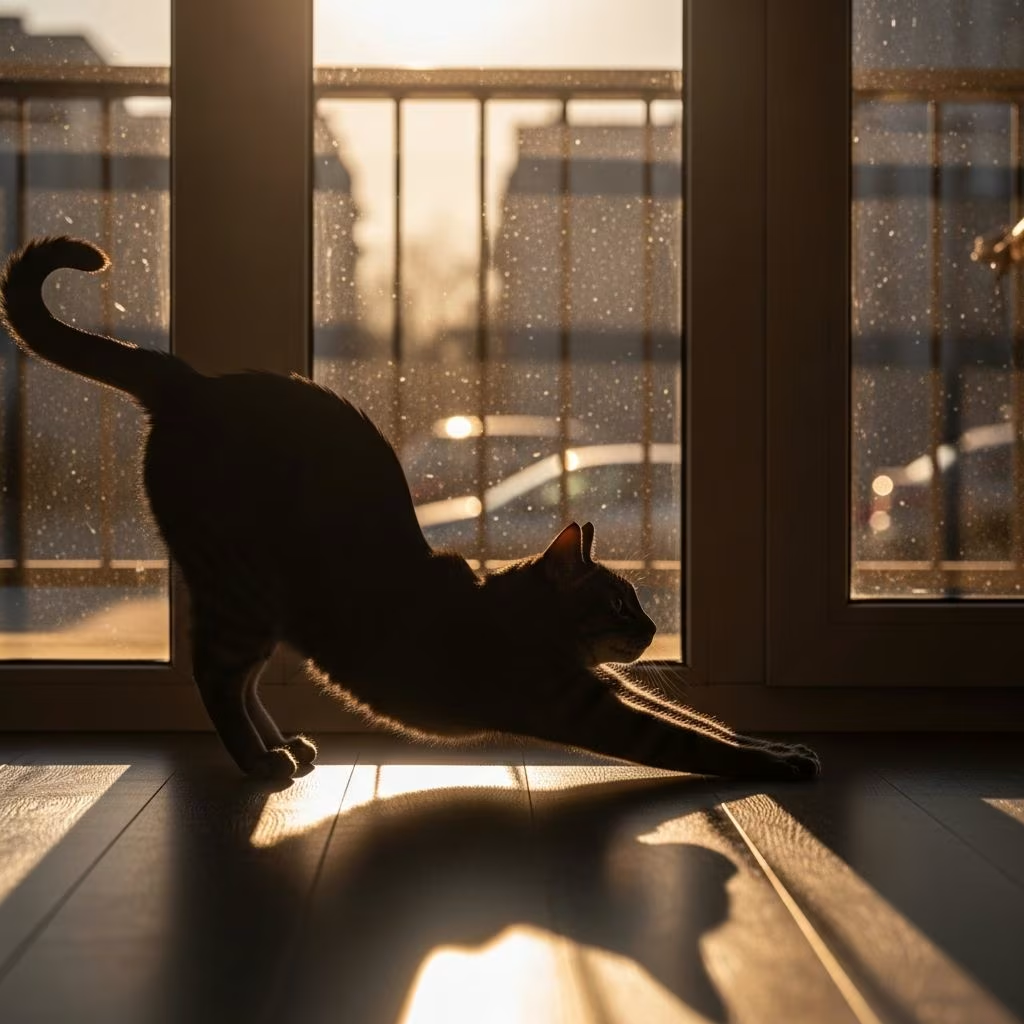
Daylight saving time (DST) changes can mildly affect cats by disrupting their routines, primarily feeding times and medications, though most adapt quickly. Cats with strict habits may experience temporary stress from the shift in clock time, which misaligns with their internal circadian rhythms.
How Cats Perceive Time
Cats possess a remarkable ability to distinguish time intervals, accurately identifying differences as short as between 5 and 8 seconds in studies. This precision explains why they reliably demand meals at expected times, relying not on clocks but on internal cues.
Like humans, cats maintain finely tuned **circadian rhythms**, biological clocks regulating sleep, activity, and feeding based on light-dark cycles. These rhythms sync with dawn and dusk, prime hunting periods in the wild, making felines crepuscular—most active at twilight. External cues like sunlight heavily influence these patterns; for instance, longer daylight triggers female cats’ heat cycles, signaling spring and breeding season.
The sun serves as a primary zeitgeber (time-giver) for cats, overriding artificial clock changes. However, DST’s abrupt hour shift can create a mismatch between their internal clock and household schedules, leading to confusion.
Does Daylight Saving Time Affect Feeding Times?
Yes, for many cats, DST significantly impacts feeding routines. Cats conditioned to meals at specific times become insistent if delayed, exhibiting behaviors like loud meowing, pawing, or knocking items off shelves. Their stomachs lack a ‘reset’ button, so an hour’s delay feels like starvation to routine-oriented felines.
Not all cats react equally; those with free-access dry food may barely notice a refill an hour later. Scheduled wet food or multiple meals amplify the issue. Cats sync feeding expectations with light cues and past patterns, so ‘spring forward’ (lost hour) prompts early begging, while ‘fall back’ (extra hour) leads to premature demands.
- Cats demand food based on hunger intervals learned from routine, not wall clocks.
- Disrupted mealtimes cause anxiety, vocalization, or restlessness.
- Predatory instincts tie activity to dusk/dawn prey patterns, indirectly affecting hunger cues.
Does Daylight Saving Time Affect Medications?
Medication timing is critical for cats on daily doses, such as for thyroid issues, diabetes, or heart conditions. DST shifts can lead to accidental double-dosing or skips if not adjusted promptly. Consult vets for gradual transitions, especially for time-sensitive drugs where blood levels must remain stable.
For example, insulin-dependent diabetic cats require precise intervals; an unadjusted clock could destabilize glucose control. Owners should reset reminders immediately and monitor for side effects like lethargy or excessive thirst.
How Does Your Cat’s Internal Clock Work?
A cat’s internal clock operates via the suprachiasmatic nucleus in the brain, influenced by light entering the eyes. Melatonin production rises in darkness, promoting sleep, while cortisol peaks at dawn for wakefulness.
Domestic cats adapt somewhat to human diurnal schedules but retain crepuscular peaks. Factors modulating this clock include:
- Light exposure: Primary regulator; DST alters perceived day length.
- Mealtimes: Regular feeding reinforces cycles.
- Temperature and activity: Warmer evenings or play extend alertness.
- Social cues: Owner interactions signal routines.
- Stress: Changes heighten disruption.
Unlike humans, cats adjust faster to ‘fall back’ (gained sleep) but struggle with ‘spring forward’ due to shortened rest.
Tips for Helping Your Cat Adjust to Daylight Saving Time
Proactive steps minimize stress. Gradually shift routines over days for seamless adaptation.
General Adjustment Strategies
- Shift playtime by 15-30 minutes nightly in advance: Tire them out to align sleep with new clock.
- Provide puzzle feeders or interactive toys for mental stimulation during transition.
- Maintain consistent lighting: Use dawn-simulating lamps if natural light lags.
Feeding Adjustments
| DST Change | Preparation Strategy | Duration |
|---|---|---|
| Spring Forward (Lose 1 Hour) | Feed 15 minutes later each day for 3-4 days prior | Gradual shift prevents hunger pangs |
| Fall Back (Gain 1 Hour) | Feed 15 minutes earlier each day leading up | Avoids premature demanding |
Sleep and Comfort Tips
- Create a quiet, dark sleeping area with familiar bedding for optimal rest.
- Avoid overstimulation post-change; extra naps help reset rhythms.
- For night owls, offer activity feeders during your extended morning sleep.
Medication and Monitoring
- Update all device alarms immediately upon change.
- Track behavior: Note appetite loss, excessive grooming, or vocalizing as stress signs.
- Consult vets for med tweaks if chronic issues arise.
Most cats readjust in 2-7 days, faster with consistency. Sensitive or senior cats may need longer.
Other Effects of Daylight Saving Time on Cats
Beyond feeding, DST influences:
- Sleep disruptions: Earlier wake-ups or evening activity spikes disturb owners.
- Attention-seeking: Social cats paw or meow for delayed interaction.
- Outdoor risks: Territory patrols clash with unfamiliar dusk timings, risking fights.
- Exercise routines: Walks or play misalign with energy peaks.
Symptoms of distress include panting, clinginess, stool changes, or overgrooming—rare but warrant vet checks.
Frequently Asked Questions (FAQs)
Will DST make my cat anxious?
Possibly temporarily; routine-sensitive cats show begging, meowing, or restlessness until adjusted.
How long do cats take to adjust to DST?
Typically 2-5 days; gradual prep shortens this.
Does DST affect outdoor cats more?
Yes, shifted light alters hunting/patrolling, increasing conflicts.
Are senior cats more impacted?
Often, due to rigid habits and health issues; monitor closely.
Can DST trigger heat cycles?
Indirectly via perceived longer days in spring.
References
- Cats & Daylight Savings Time: Will It Affect My Pet? Vet-Reviewed Facts & FAQ — Catster. 2023-10-01. https://www.catster.com/lifestyle/will-daylight-saving-time-affect-my-cat/
- How Does Daylight Saving Affect Your Pet? — Zoetis Petcare. 2024-03-15. https://www.zoetispetcare.com/blog/article/daylight-saving-affect-pet
- How Time Changes Like Daylight Savings Can Affect Our Pets — Holiday Barn. 2023-11-05. https://holidaybarn.com/blog/how-time-changes-like-daylight-savings-can-affect-our-pets/
- Why The End Of Daylight Saving Time Drives Some Cats Berserk — CatTime. 2023-10-20. https://cattime.com/cat-facts/11633-daylight-saving-time-drives-some-cats-berserk
- Will the Clocks Changing Affect My Cat — Feliway Australia. 2024-09-10. https://www.feliway.com.au/blogs/news/will-the-clocks-changing-affect-my-cat
- Does Daylight Saving Time Affect Pets? 8 Tips To Help Them Adjust — Chewy. 2024-02-28. https://www.chewy.com/education/cat/health-and-wellness/daylight-saving-time-tips-dogs-cats



