

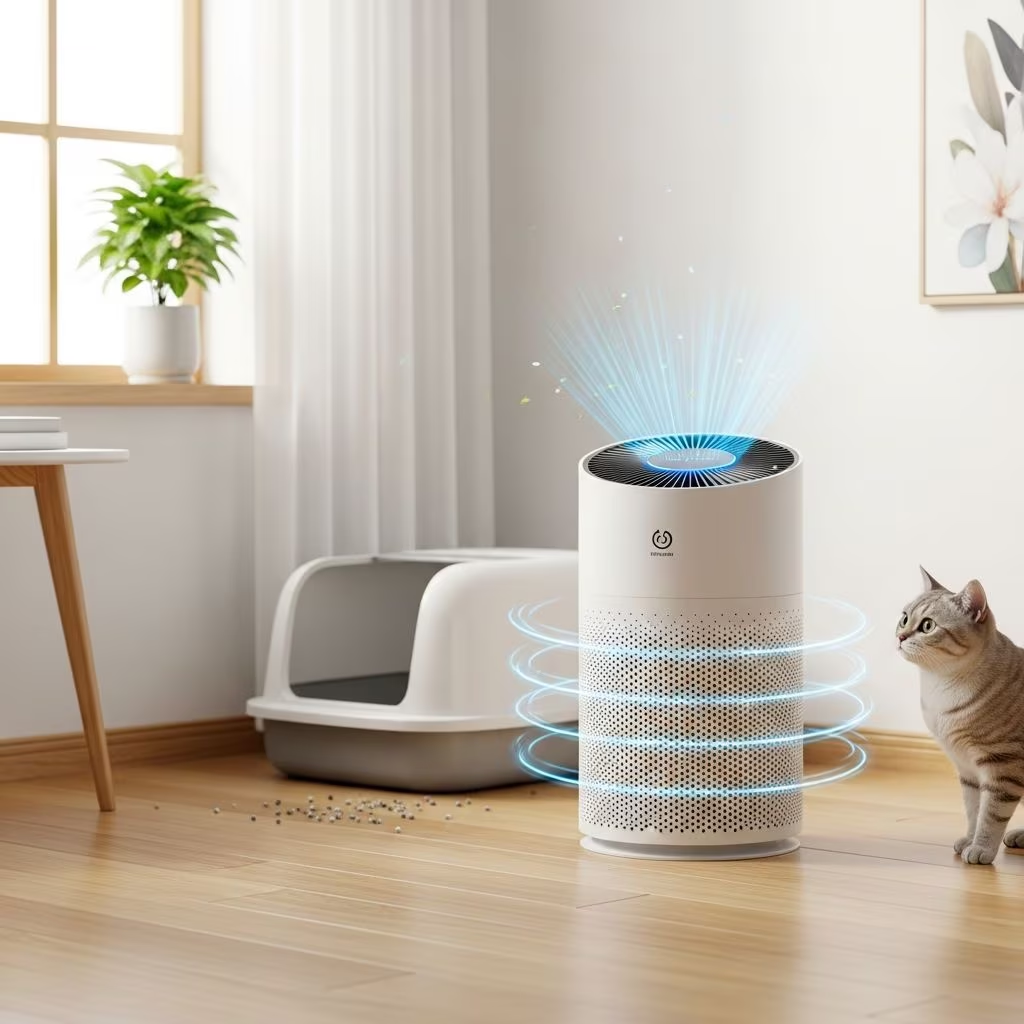
Will an Air Purifier Help With Litter Smell?
Many cat owners struggle with the persistent challenge of managing litter box odors in their homes. While air purifiers are commonly known for their ability to reduce allergens and improve overall air quality, many pet owners wonder whether these devices can effectively tackle the distinctive smell of cat litter. The good news is straightforward: yes, most air purifiers can help reduce the smell of cat litter and other household odors. However, the effectiveness of an air purifier depends on several critical factors, including the type of filters it uses, its capacity, and how it’s positioned in your home.
Nearly one-third of American households include a feline companion, making litter box odor management a significant concern for millions of pet owners. Understanding how air purifiers work and which types are most effective can help you create a fresher, more pleasant living environment while keeping your beloved cat comfortable.
Understanding Air Purifier Technology
To appreciate how air purifiers can help with litter box smells, it’s important to understand the technology behind these devices. Modern air purifiers use multiple filtration stages, with two primary filter types playing crucial roles in odor elimination:
HEPA Filters
HEPA filters, which stand for High-Efficiency Particulate Air, are designed to capture at least 99.97% of particles as small as 0.3 microns. These filters are highly effective at removing particulate matter from your home’s air, including dust, pet dander, and tiny litter particles that cats may kick up when using their litter boxes. This comprehensive particle capture helps improve overall air quality and reduces the visible dust and debris associated with cat waste.
While HEPA filters excel at trapping physical particles, they have limitations when it comes to eliminating odors themselves. The ammonia and other volatile organic compounds (VOCs) that create the distinctive smell of cat litter are gases, not particles, which means HEPA filters alone won’t be sufficient for complete odor elimination.
Activated Carbon Filters
Activated carbon filters are the most effective component for eliminating litter box odors. These filters work through a process called adsorption, where odor molecules become trapped in the porous structure of the activated carbon material. The porous nature of activated carbon provides an enormous surface area—often exceeding 3,000 square meters per gram—that can trap odor molecules including those volatile organic compounds responsible for the notorious smell of ammonia and other compounds found in cat urine and feces.
Some advanced air purifiers contain substantial amounts of activated carbon in their filters. For example, certain premium models contain as much as 15 pounds of activated carbon combined with zeolite materials, making them particularly effective for households with multiple cats or severe litter box odor problems.
What Type of Air Purifier Works Best for Cat Litter Box Smells?
When selecting an air purifier to combat cat litter odors, the most highly recommended option is a HEPA air purifier with an activated carbon filter. This combination provides comprehensive air purification that addresses both the particulate matter and the gaseous odors associated with cat litter.
When choosing the right air purifier for your needs, consider the following factors:
- Filter Type: Look for models explicitly featuring both HEPA and activated carbon filters. Some models include additional filtration stages for enhanced odor control.
- Room Size: Ensure the purifier is rated for the square footage of the room where your litter box is located. A purifier that’s too small for the space will struggle to manage odors effectively.
- Air Changes Per Hour (ACH): A higher ACH rating means the purifier can clean the air more frequently, which is crucial for managing persistent litter box odors. Look for models with ACH ratings of at least 4-5 for litter box areas.
- Carbon Filter Capacity: More activated carbon means better odor absorption. Models with larger carbon filters will handle stronger odors more effectively.
- Noise Level: Since air purifiers often run continuously, choose a model with quiet operation to avoid disturbances.
- CADR Ratings: Clean Air Delivery Rate (CADR) indicates how quickly a purifier can clean air in a given space. Higher CADR ratings mean faster odor elimination.
Strategic Placement for Maximum Effectiveness
Where you position your air purifier significantly impacts its ability to reduce litter box odors. Consider these placement strategies:
Near the Source
Placing the air purifier close to the litter box allows it to capture odors before they disperse throughout your home. This proximity creates a more immediate impact on odor control. However, ensure the purifier isn’t so close that it scatters litter or disturbs your cat while using the box, as this could discourage proper litter box usage.
Central Location
For general air quality improvement throughout your home, position the air purifier in a central area where air circulates freely. This ensures more comprehensive coverage and helps manage odors that have already spread throughout your living space.
Avoid Obstructions
Keep your air purifier away from furniture, curtains, and other obstacles that could obstruct airflow and reduce its efficiency. Ensure there’s adequate space around the intake and output vents for optimal air circulation.
Complementary Cleaning Efforts
While air purifiers are powerful tools for odor management, their effectiveness is enhanced when combined with good litter box maintenance practices:
Regular Vacuuming
Use a vacuum equipped with a HEPA filter to remove pet hair and dander from floors and furniture. This reduces the overall particulate load in your home and decreases the burden on your air purifier.
Dust Surfaces
Regularly dusting surfaces throughout your home helps minimize the particulate matter in your air, complementing your air purifier’s efforts and promoting better overall air quality.
Litter Box Management
Prompt removal of waste and regular changing of litter not only keeps your cat happy and healthy but also reduces the odors and particulates your air purifier needs to handle. Daily scooping and weekly litter changes can dramatically reduce the intensity of odors in your home.
Seasonal Adjustments
Be mindful of seasonal changes in your home’s air quality. For example, increase the purification level during allergy season to combat additional outdoor allergens that may enter your home through open windows and doors.
Real-World Results: Before and After
Cat owners who have implemented air purifiers consistently report noticeable improvements in their home’s air quality. Many describe a dramatic shift in their living environment, where the air feels noticeably fresher and cleaner after using an air purifier. Anecdotal evidence from pet owners suggests that placing an air purifier near the litter box can create a significantly more pleasant home environment, reducing the constant battle against lingering odors.
The transformation is often most apparent when multiple strategies are employed together—combining air purifier use with proper litter box maintenance creates optimal results for odor control and overall air quality improvement.
Multiple Cats and Multiple Litter Boxes
If you have multiple cats in your household, odor management becomes more challenging. In multi-cat homes, consider the following strategies:
- Use the largest air purifier your space and budget allow to ensure rapid air circulation and sufficient activated carbon capacity.
- Place air purifiers in multiple locations if litter boxes are spread throughout your home.
- Consider models with larger carbon filters specifically designed for households with multiple cats.
- Maintain an even more rigorous litter box cleaning schedule to minimize the intensity of odors.
Final Thoughts
Having an air purifier can be very helpful in eliminating cat litter smell from your home. For the best results in both overall air purification and odor control, choose a HEPA air purifier that includes an activated carbon filter. The combination of these two filtration types addresses both the particulate matter and gaseous odors associated with cat litter.
While air purifiers are powerful tools, they work best when combined with other useful strategies for litter odor management. Regular litter box maintenance, proper placement of your air purifier, complementary cleaning efforts, and appropriate equipment selection all contribute to creating a fresher, more pleasant home environment for both you and your feline companion.
Frequently Asked Questions
Q: Will a HEPA filter alone eliminate litter box odors?
A: No, HEPA filters alone are not sufficient for odor elimination. While they effectively trap particulate matter like pet dander and litter dust, they cannot capture the gaseous odor molecules from ammonia and other volatile organic compounds. You need activated carbon filters to effectively eliminate odors.
Q: How often should I replace the activated carbon filter?
A: Most activated carbon filters need replacement every 6-12 months, depending on usage intensity and the manufacturer’s recommendations. Households with multiple cats may need more frequent replacements as the carbon becomes saturated with odor molecules.
Q: Can I place my air purifier directly next to the litter box?
A: Placing an air purifier near the litter box can be effective for capturing odors, but not so close that it scatters litter or disturbs your cat. Find a balance that allows efficient odor capture without interfering with your cat’s comfort.
Q: How long does it take for an air purifier to reduce litter box odors?
A: Many users report noticeable improvements within 24-48 hours of continuous operation, though the timeframe depends on the purifier’s capacity, the room size, and the intensity of odors.
Q: Are expensive air purifiers always better for litter box odors?
A: Not necessarily. The most important factors are the presence of activated carbon filters, appropriate room size rating, and adequate air circulation. Mid-range purifiers with these features may perform better than expensive models lacking quality activated carbon filtration.
Q: Can an air purifier replace regular litter box cleaning?
A: No, an air purifier should complement, not replace, regular litter box maintenance. Daily scooping and regular litter changes are essential for your cat’s health and reduce the workload on your air purifier.
References
- Will an Air Purifier Help With Litter Smell? Vet Facts & Guide — Catster. 2025. https://www.catster.com/lifestyle/will-air-purifier-help-with-smell-of-litter/
- Does an Air Purifier Help With Cat Litter Smell? — Airdog USA. 2025. https://airdogusa.com/blogs/articles/does-an-air-purifier-help-with-cat-litter-smell
- Do Air Purifiers Work for Cat Litter Box Smell? — Uahpet. 2025. https://www.uahpet.com/blogs/post/do-air-purifiers-work-for-cat-litter-box-smell
- An Air Purifier Can Help Get Rid of Cat Odor — Rabbit Air. 2025. https://www.rabbitair.com/blogs/air-purifier/17085152-an-air-purifier-can-help-get-rid-of-cat-odor
- Struggling with Litter Box Smell? Try These Air Purifiers — HouseFresh. 2025. https://housefresh.com/air-purifiers-for-litter-box-smell/



