

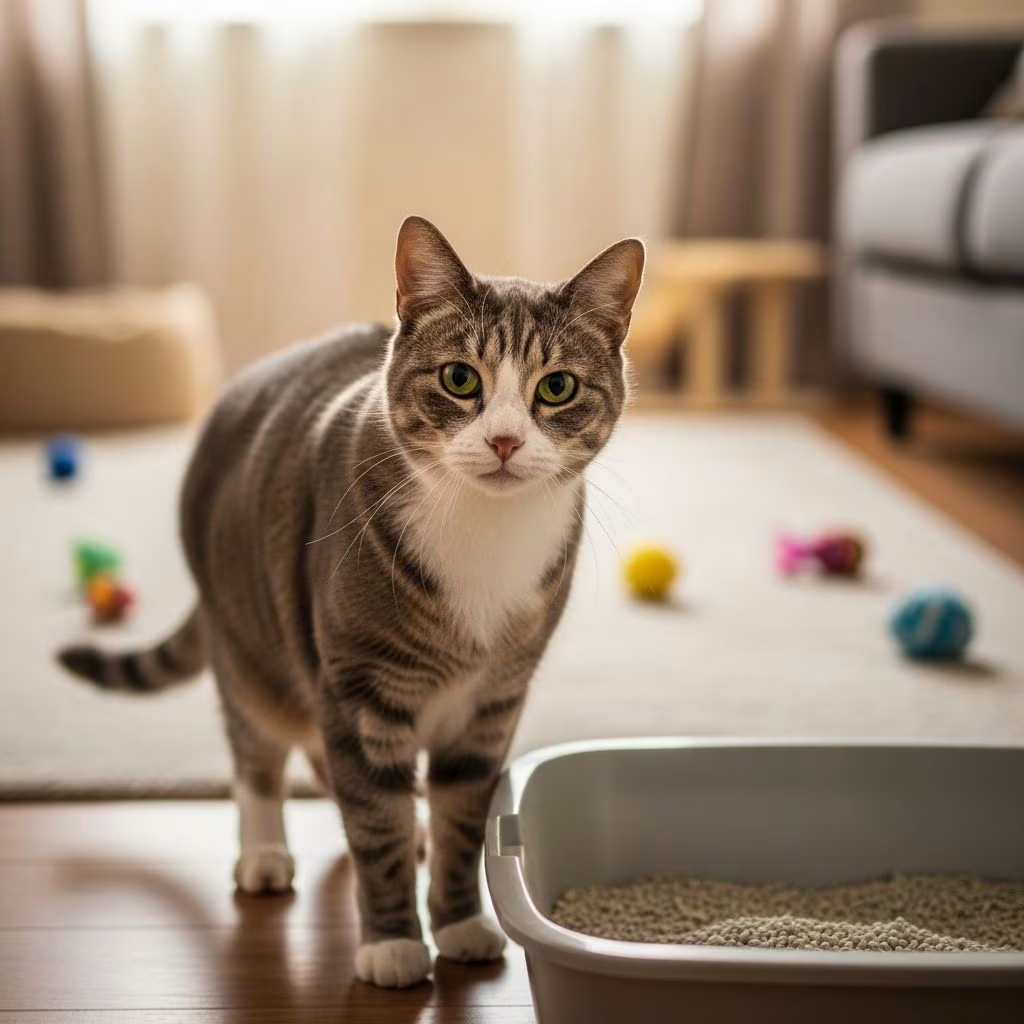
Observing your senior cat eliminating outside the litter box can be frustrating and concerning. This behavior often signals underlying health issues, mobility challenges, stress, or environmental mismatches rather than spite. Senior cats, typically those over 11 years old, face age-related changes that make litter box use difficult. Prompt intervention is crucial to rule out medical problems and improve your cat’s quality of life.
Table of Contents
- Medical Issues
- Mobility Problems
- Stress and Environment
- Litter Box Setup
- Multi-Cat Households
- When to See the Vet
- Prevention Tips
- Frequently Asked Questions
Medical Issues Causing Litter Box Avoidance
The most common reason senior cats stop using the litter box is undiagnosed medical conditions. Cats are masters at hiding pain, so symptoms may only appear as inappropriate elimination. According to animal behaviorist Amy Martin, house soiling is often a ‘calling card for help’ rather than misbehavior.
Key medical culprits include:
- Urinary Tract Infections (UTIs): Painful urination leads cats to avoid the box entirely. Symptoms include frequent small accidents.
- Kidney Disease: Common in seniors, causing increased urination and accidents due to urgency.
- Diabetes: Excessive thirst and urination overwhelm the cat’s control.
- Arthritis/Degenerative Joint Disease: Makes entering the box excruciating.
- Constipation or Lower Urinary Tract Disease: Pain during defecation or urination prompts avoidance.
- Thyroid Issues, Cancer, or Spondylosis: Spinal degeneration or tumors affect mobility and elimination.
A study from the American Animal Hospital Association notes that 30% of cats over 10 show chronic kidney disease signs, often first manifesting as litter box issues. Always start with a vet visit for bloodwork, urinalysis, and imaging.
Mobility Problems in Senior Cats
Aging brings physical decline, turning the litter box into the ‘Box of Doom’ as described by experts. Stiff joints, muscle atrophy, vision loss, or weakness make hopping in and out painful or impossible.
Specific challenges:
- High-sided boxes: Difficult for arthritic legs; opt for low-entry designs (under 3 inches).
- Deep litter: Sinking paws strain weakened limbs; use 1-2 inches max.
- Balance issues: Seniors may miss the box or fall, associating it with discomfort.
Geriatric cats with spondylosis (spinal fusion) or blindness navigate poorly, leading to nearby accidents. Provide ramps or senior-specific boxes like Frisco Senior & Kitten Litter Box for easier access.
Stress and Environmental Changes
Senior cats have reduced adaptability, making them prone to stress-induced elimination issues. Changes trigger anxiety, manifesting as physical distress rather than revenge.
Common stressors:
- New pets, babies, or household moves.
- Furniture rearrangement or routine shifts.
- Outdoor cats visible through windows, causing territorial stress.
- Noise, visitors, or construction.
The ASPCA reports that even subtle changes indirectly affect cats, leading to litter avoidance. In multi-cat homes, bullying restricts box access.
Is Your Litter Box Setup Suitable for Seniors?
The box or litter itself may no longer suit an older cat’s needs. Preferences develop early, and changes exacerbate problems.
| Issue | Solution |
|---|---|
| High sides | Low-entry or storage bin boxes |
| Perfumed litter | Unscented clumping (fine sand texture) |
| Too few boxes | One per cat + one extra, per floor |
| Dirty box | Scoop daily, full clean weekly |
| Plastic liners | Remove; cats dislike texture |
Place new boxes where accidents occur. Gradually transition litter to avoid rejection. Dr. Elsey’s Senior Crystal Litter reduces dust for respiratory-sensitive seniors.
Challenges in Multi-Cat Households
In homes with multiple cats, territorial conflicts arise. Dominant cats guard boxes, stressing subordinates into eliminating elsewhere.
- Observe interactions: Bullying often precedes issues.
- Solution: Add boxes in quiet, separate locations.
- Use pheromone diffusers like Feliway to reduce tension.
- Play therapy with wand toys builds confidence.
Best Friends Animal Society recommends covering stress-view windows and ensuring equal access.
When to See the Vet Immediately
Don’t delay if you notice:
- Sudden onset or blood in urine/stool.
- Lethargy, weight loss, or excessive thirst.
- Straining without output (emergency!).
Vets may prescribe pain relief, antibiotics, or diets. Pain from prior issues can create lasting aversion, even post-recovery.
Prevention Tips for Senior Cat Litter Success
Proactive steps keep seniors box-bound:
- Annual senior wellness exams starting at age 7.
- Multiple low-sided boxes with shallow, unscented litter.
- Quiet, accessible locations away from food/water.
- Stress reduction: Consistent routines, hiding spots.
- Supplements like glucosamine for joints (vet-approved).
Track habits with apps or journals to spot patterns early.
Frequently Asked Questions (FAQs)
Why is my 15-year-old cat suddenly peeing on the floor?
Likely UTI, kidney disease, or arthritis. Vet check first.
Will a low-sided litter box fix mobility issues?
Yes, combined with shallow litter and multiple placements.
Can stress cause litter box avoidance in seniors?
Absolutely; they adapt poorly to changes like new pets.
How often should I clean the litter box for an older cat?
Scoop daily; full change weekly to prevent aversions.
What if medical tests are normal?
Focus on box setup, stress reduction, and environmental tweaks.
References
- Is Your Senior Cat Not Using the Litter Box? — Chewy. 2023. https://www.chewy.com/education/cat/training-and-behavior/solving-litter-box-problems-in-senior-cats
- Cat Not Using Litter Box: Causes and Solutions — Best Friends Animal Society. 2024. https://bestfriends.org/pet-care-resources/cat-not-using-litter-box-causes-and-solutions
- Why Is My Cat Not Using The Litter Box — Litter-Robot (YouTube). 2025-07-01. https://www.youtube.com/watch?v=976plMDLRC4
- Litter Box Problems — ASPCA. 2024. https://www.aspca.org/pet-care/cat-care/common-cat-behavior-issues/litter-box-problems



