

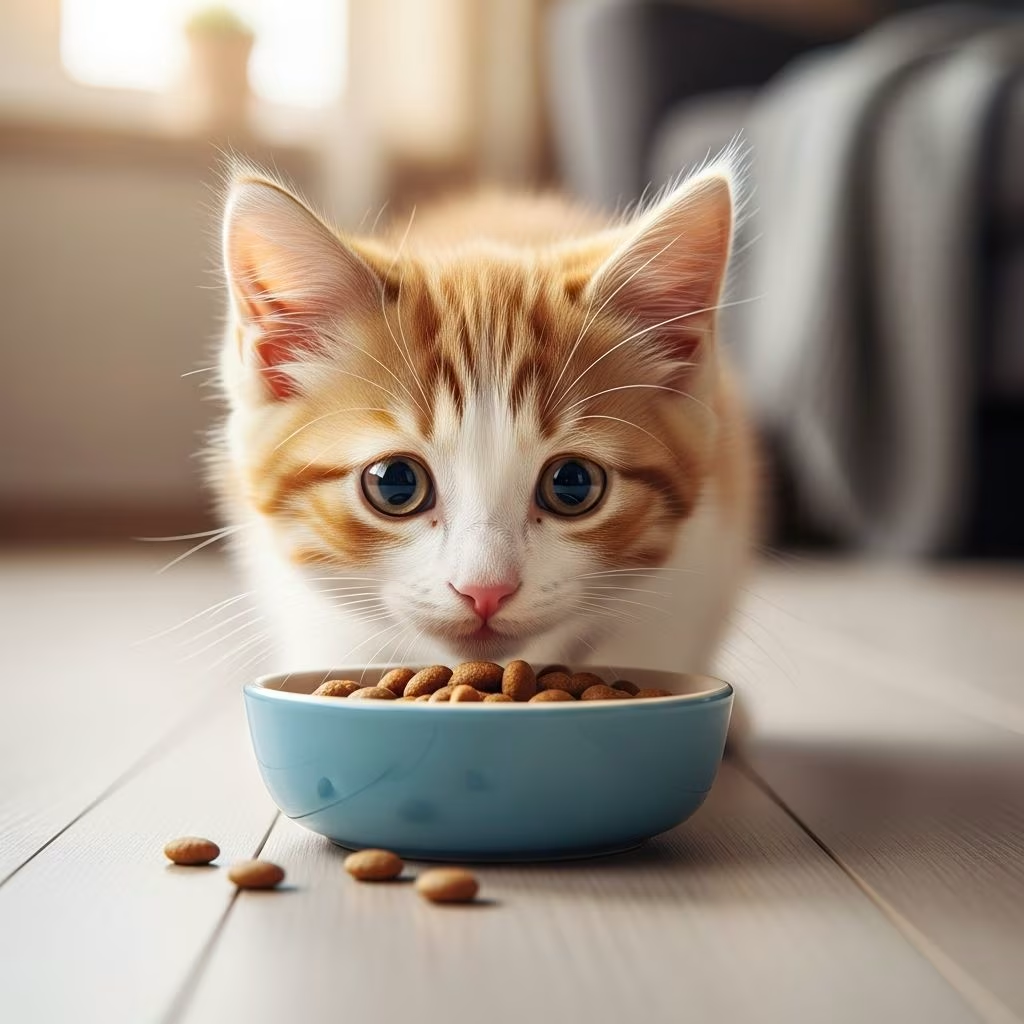
Kittens need frequent, nutrient-dense meals to support rapid growth, so a sudden refusal to eat demands quick attention. This guide examines frequent triggers like infections, oral discomfort, digestive troubles, environmental stress, and feeding setup flaws, offering actionable solutions grounded in veterinary insights.
Recognizing Appetite Loss in Kittens
Newborn and young kittens typically eat every 2-4 hours, transitioning to 3-4 meals daily by 8 weeks. Missing one meal might stem from playfulness, but prolonged refusal—over 12-24 hours—signals potential problems, risking dehydration, low blood sugar, or **fading kitten syndrome** (FKS), a life-threatening decline in neonates.
Watch for paired symptoms: lethargy, weakness, cool extremities (hypothermia below 99°F), labored breathing, diarrhea, vomiting, or nasal discharge. Dehydration signs include tacky gums, sunken eyes, and skin that stays tented when pinched. Low blood sugar (hypoglycemia) appears as tremors, disorientation, or seizures—emergencies requiring immediate vet care.
Medical Conditions Disrupting Hunger
Health issues top the list for kittens avoiding food, often due to their immature immune systems.
Respiratory Infections and Congestion
Upper respiratory infections (URIs), caused by viruses like feline herpesvirus or calicivirus and bacteria, lead to nasal congestion, fever, sneezing, and eye discharge. Kittens rely heavily on smell to eat; a stuffy nose makes food unappealing. Fatigue from illness further suppresses appetite.
- Solution: Offer warmed, aromatic wet food to enhance scent. Ensure humidity with steam from a bathroom shower. Vet-prescribed antibiotics or antivirals may be needed if bacterial.
Dental and Oral Pain
Teething starts around 2-6 weeks as milk teeth emerge, causing gum soreness. Gingivitis, tartar buildup, mouth ulcers, or abscesses from injuries make chewing painful. Look for drooling, pawing at the mouth, bleeding, or selective eating (soft foods only).
- Solution: Switch to soft, moistened kibble or pate. Provide dental chews post-weaning. Schedule a vet dental check; brushing with enzymatic toothpaste prevents buildup.
Gastrointestinal Distress and Parasites
Parasites like roundworms, hookworms, or coccidia irritate the gut, causing nausea, diarrhea, and bloating. Bacterial/viral enteritis or foreign object ingestion (strings, toys) leads to blockages. Chronic issues like early kidney strain or diabetes hint at nausea via lip-licking or food refusal despite interest.
| Issue | Symptoms | Actions |
|---|---|---|
| Parasites | Potbelly, diarrhea, weight loss | Dewormer from vet; fecal test |
| Foreign Body | Vomiting, pain, lethargy | X-rays; possible surgery |
| Nausea | Drooling, lip-licking | Anti-nausea meds; bland diet |
Fading Kitten Syndrome and Neonatal Risks
FKS clusters symptoms in kittens under weaning: weakness, hypothermia, poor suckling from failure to thrive. Causes span infections, low birth weight, maternal antibody mismatches (neonatal isoerythrolysis causing anemia), genetic defects (heart/lung issues), trauma, or hypothermia.
- Solution: Warmth (heating pad on low), subcutaneous fluids, and supportive care at a 24/7 vet. Early intervention boosts survival; monitor orphans closely.
Other Systemic Illnesses
Heart conditions like congenital defects cause fluid buildup, fatigue, and coughing, curbing eating. Urinary tract infections provoke pain and lethargy. Hypothyroidism rarely leads to weight gain and low energy in felines.
Post-vaccination soreness or antibiotic side effects upset stomachs temporarily.
Environmental and Behavioral Factors
Not all refusals are medical; kittens’ sensitivity amplifies non-health triggers.
Stress from Changes
New homes, family additions, or routine shifts spike anxiety, halting eating. Kittens hide, vocalize excessively, or pace. Grief over lost companions mimics depression.
- Solution: Provide hiding spots, familiar scents (blanket from breeder), pheromone diffusers. Gradual introductions; pheromone products calm nerves.
Feeding Equipment Problems
**Whisker fatigue** occurs when deep/narrow bowls brush sensitive whiskers, causing aversion. Prefer wide, shallow ceramic/glass dishes.
- Solution: Test flat plates; elevate slightly for neck comfort. Clean daily to avoid odor buildup.
Food Transition Errors
Abrupt switches to new flavors/textures cause digestive upset or pickiness. Kittens favor consistency.
- Solution: Mix old/new over 7-10 days (25% new daily increments). Warm food to body temperature.
Immediate Steps to Restart Eating
Act fast without forcing:
- Assess urgency: Vet visit if 24+ hours, weakness, or symptoms. Under 12 weeks? Sooner.
- Tempt with variety: Baby food (meat-only, no onion/garlic), tuna juice, or kitten milk replacer via syringe (avoid cow milk).
- Hand-feed gently: Tiny portions on finger/spoon in quiet area.
- Hydrate: Pedialyte (unflavored) or subQ fluids per vet. Wet food aids moisture.
- Monitor weight: Daily checks; 1-4% loss is okay short-term, more is risky.
Prevention for Healthy Appetites
Proactive care minimizes issues:
- Vet schedule: Wellness exams, vaccines, deworming at 2/4/6/12 weeks.
- Nutrition: AAFCO-approved kitten food (high protein/fat); free-feed dry if no overeating.
- Environment: Quiet feeding zones, play enrichment to reduce stress.
- Hygiene: Litter training early; parasite preventives monthly.
When to Rush to the Vet
Emergencies include: no eating 24-48 hours (12 for <8 weeks), collapse, seizures, bloody stool/urine, breathing distress. Kittens deteriorate rapidly—hours matter.
Frequently Asked Questions (FAQs)
Is it okay if my kitten skips one meal?
Occasional skips happen, especially during play. Monitor; intervene if repeated or symptomatic.
What home remedies stimulate appetite?
Warm wet food, strong-smelling purees. Avoid over-the-counter meds—vet only.
Can stress alone cause prolonged refusal?
Yes, but rule out illness first. Persistent cases need professional help.
How long before FKS becomes fatal?
Weeks 1-3 are critical; symptoms progress fast without aid.
Does teething always reduce eating?
Not severely; softer foods help. Vet check if prolonged.
References
- Fading Kitten Syndrome: What It Is, Why It Happens & What To Do — Pawlicy Advisor. 2023. https://www.pawlicy.com/blog/fading-kitten-syndrome/
- 6 Reasons Why Your Cat Is Not Eating and What To Do — PetMD. 2024-01-15. https://www.petmd.com/cat/nutrition/cat-not-eating-what-to-do
- Why is Your Kitten Not Eating? Reasons for a Change in Food Intake — Purina. 2023-05-10. https://www.purina.com/articles/cat/kitten/health/kitten-not-eating
- New Kitten Not Eating: Causes and Solutions — Pawp. 2024. https://pawp.com/new-kitten-wont-eat/
- 5 Reasons Your Kitten Might Not Be Eating and What To Do About It — Wellness Pet Food. 2023. https://www.wellnesspetfood.com/blog/5-reasons-your-kitten-might-not-be-eating-and-what-to-do-about-it/



